c.1930s Set of Three Decorative Crumb Brushes
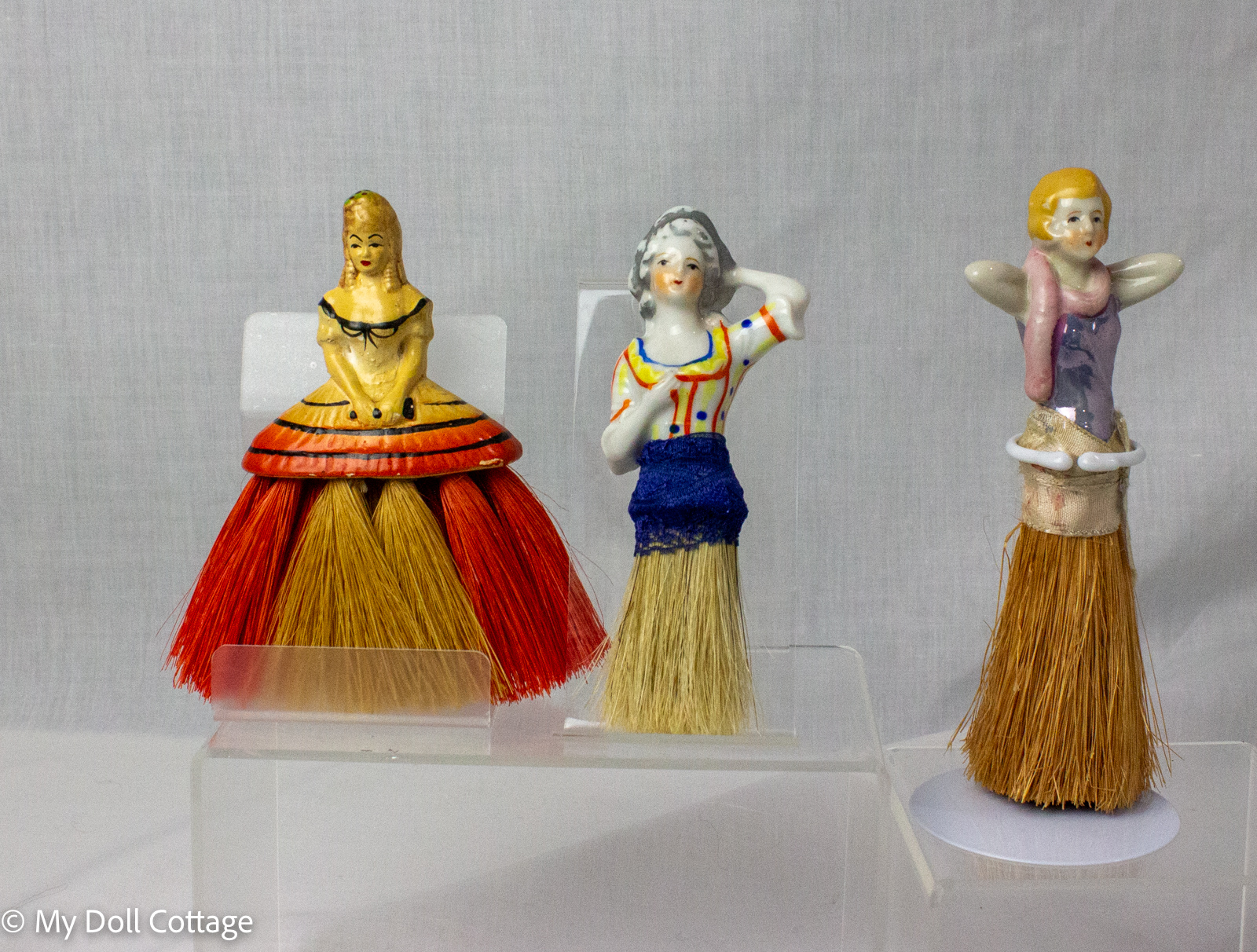
A charming set of three decorative figural crumb brushes from the early twentieth century, combining household practicality with whimsical design.
This set comprises three decorative crumb brushes dating principally to the 1920s–1930s. Figural crumb brushes were popular household accessories used to sweep crumbs from dining tables before vacuum cleaners became common place. They were often produced in Germany, Japan and other European centres for both domestic use and export.
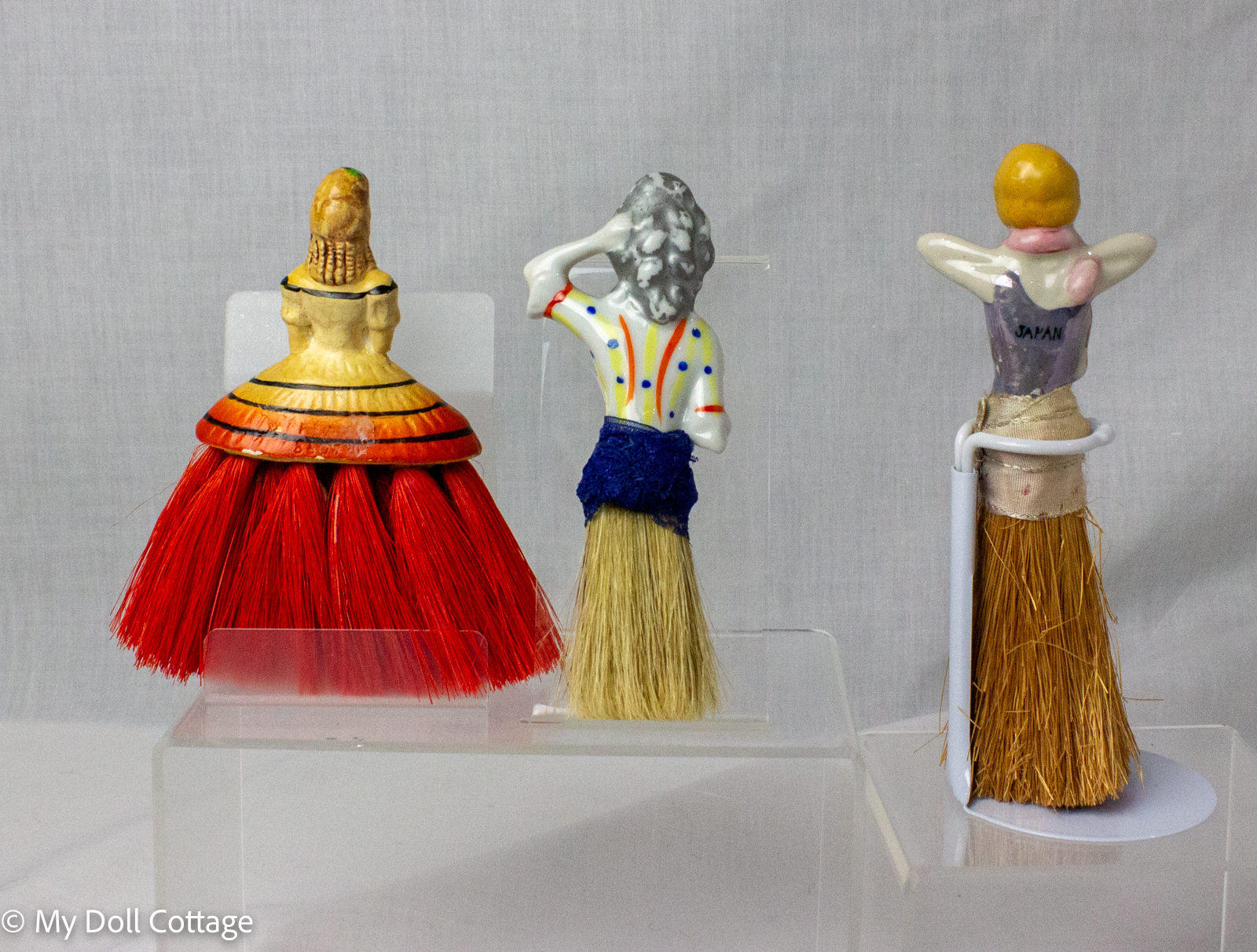
The largest example depicts a seated lady with a painted wooden top and dyed natural fibre bristles. The second brush depicts a lady in period costume with original lace trim around the waist. The third, marked 'Japan', features a porcelain half-doll with moulded arms and painted decoration, dating to theexport period of the late 1920s to 1930s.
All three retain their original natural fibre bristles and painted decoration. Age-related wear, paint loss and minor fading are consistent with use and age,making them attractive examples of decorative household wares.
Features
Measurements: Large brush: approx. 150 × 60 × 40 mm., Lady with lace: approx. 150 × 50 × 35 mm, Japanese half-doll brush: approx. 190 × 70 × 30 mm.
Condition: Good - small dents and surface scratches
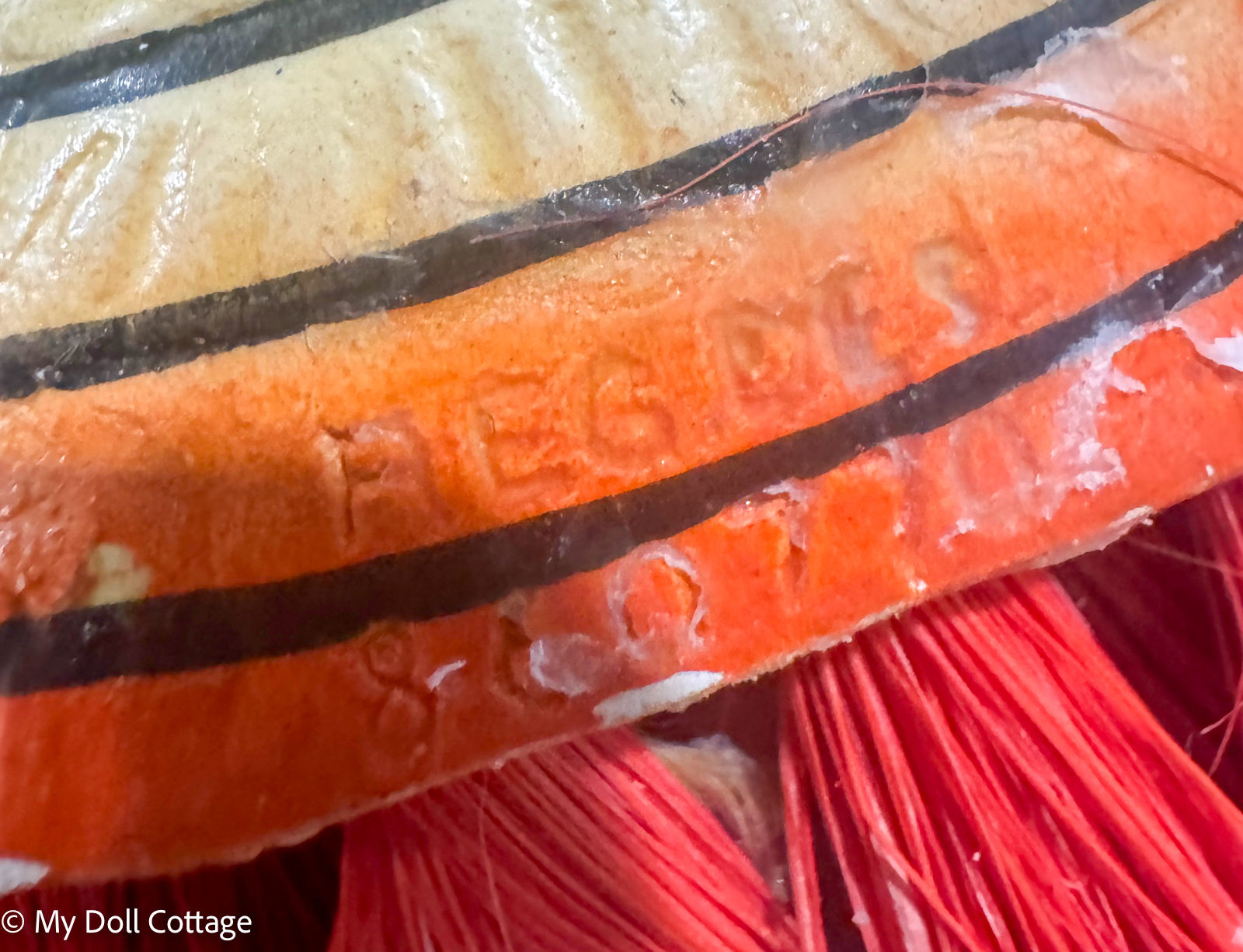
Markings: Japan on one
Date Note: Date is an estimate based on available research and stylistic features. If you have additiona information, please contact us to help update our records.
Made from the following materials
Wood in Dolls and Toys
Wood has a long and rich history in the creation of dolls and toys, valued for its durability, natural beauty, and versatility. As one of the oldest materials used in toy making, wood has played a significant role in various cultures around the world, offering endless possibilities for creativity and craftsmanship.
What is Wood?
Wood is a natural material sourced from trees, known for its strength, warmth, and unique grain patterns. Its availability and ease of manipulation have made it a favored choice for artisans and toy makers for centuries. From softwoods like pine and cedar to hardwoods like oak and maple, different types of wood offer varying characteristics that influence the design and functionality of toys.
Applications in Doll and Toy Making
Wood has been used to create a wide range of dolls and toys throughout history. Early wooden dolls often featured simple shapes and painted faces, serving as cherished companions for children. These dolls were crafted with care, sometimes adorned with fabric clothing or accessories made from other materials. The tactile nature of wood allows for a comforting feel, making wooden dolls especially appealing to young children.
In addition to dolls, wooden toys have a rich tradition that includes building blocks, puzzles, and cars. Wooden blocks, in particular, are celebrated for their educational value, encouraging creativity and imaginative play as children construct their own worlds. The durability of wood ensures that these toys can withstand the rigors of play, often becoming family heirlooms passed down through generations.
Cultural Significance
Wooden toys and dolls hold cultural significance in many societies. For example, traditional wooden dolls from countries like Germany and Scandinavia often reflect local customs, attire, and folklore. These handcrafted pieces not only serve as toys but also as representations of cultural heritage and craftsmanship.
Artistic Expression and Collectibility
With the rise of artisan craftsmanship, wooden dolls and toys have gained popularity among collectors and enthusiasts. Artisans often showcase their skills by creating beautifully detailed and intricately designed wooden toys that appeal to both children and adults. The natural beauty of wood, combined with unique craftsmanship, adds to the collectibility and charm of these items.
Textiles have played a fundamental role in human history, serving both practical and expressive purposes across cultures and time periods. Historically, textiles were among the earliest manufactured materials, created through processes such as spinning, weaving, felting, knitting, and later industrial mechanisation.
Natural fibres including wool, cotton, linen, and silk were used for centuries to produce clothing, household goods, and toys, with techniques and patterns often reflecting regional traditions, available resources, and social status. The Industrial Revolution marked a significant shift in textile production, introducing mechanised looms, mass manufacturing, and new dyeing methods, which made textile goods more affordable and widely available.
In the context of dolls and toys, textiles were essential for creating soft bodies, clothing, and accessories that mirrored everyday dress and domestic life. Early dolls were often constructed from cloth or fabric-covered forms, while the late 19th and early 20th centuries saw the introduction of specialised plush and mohair textiles for soft toys, particularly in Europe. These materials were chosen for their durability, tactile appeal, and ability to hold shape, contributing to the emotional comfort associated with childhood play. Textile use also allowed for detailed costuming, enabling dolls to reflect contemporary fashion, occupational dress, or cultural identity.
Over time, textile production expanded to include synthetic fibres such as rayon, nylon, and polyester, which became increasingly common from the mid-20th century onward. These materials offered greater consistency, lower cost, and easier care, influencing the design and manufacture of mass-produced toys and accessories. Today, historical textiles in toys and dolls provide valuable insight into manufacturing techniques, trade networks, and social change. Differences in fibre type, weave, and construction help researchers date objects, identify regions of origin, and understand evolving standards of craftsmanship, making textiles a key material category within museum and collection documentation.

Additional Product Images
Related Dolls and Toys from our collection
