c.1950s Blu-Strike Double Edge Safety Razor Blades – 5 Blade Pack – Made in U.S.A.
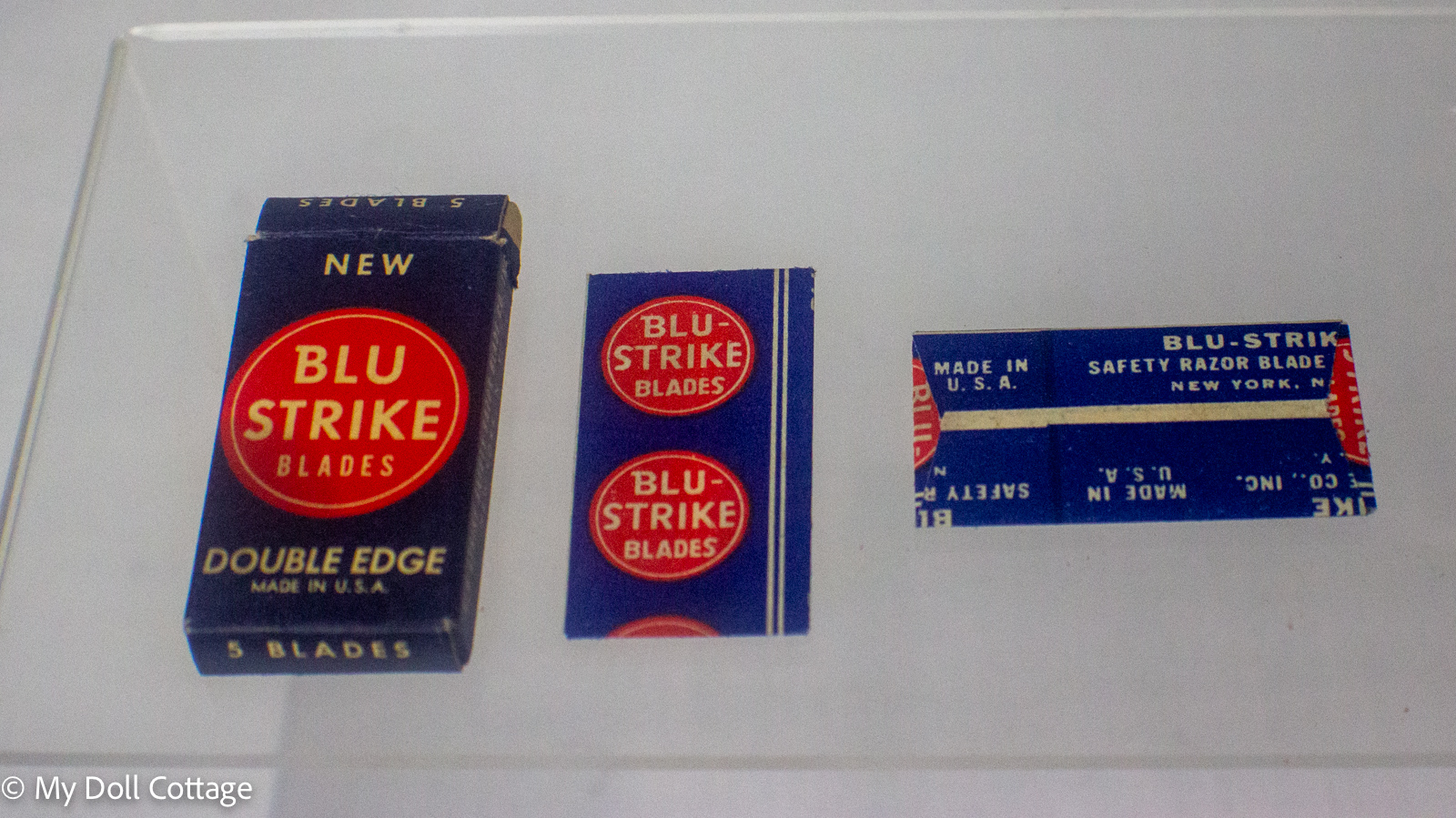
A mid-century American packet of Blu-Strike double edge safety razor blades, manufactured in New York and presented in its original blue and red packaging.
Produced during the mid-20th century,Blu-Strike Double Edge Safety Razor Blades were manufactured in New York, U.S.A., reflecting America's thriving razor blade industry during the post-war era. This original retail packet contains five double-edged safety razor bladesand retains its distinctive blue and red graphic design, a style typical ofshaving products from the 1950s.
The front of the packet is printed "New Blu-Strike Blades", "Double Edge", and "Made in U.S.A.", while the individual blade wrapper is marked "Blu-Strike Safety Razor Blade – New York,N.Y." and "Made in U.S.A." These markings confirm both the country of manufacture and the city associated with the product, although the manufacturer is not identified on the packaging.
Following the Second World War, American razor blade manufacturers competed in a rapidly expanding consumer market, producing numerous proprietary and private-label brands alongside well-known household names. Many smaller brands relied on bold graphic packaging to distinguish themselves in pharmacies, department stores and general stores, making surviving examples valuable records of mid-century commercial design.
The packet remains in very good vintage condition, retaining its original carton and blade wrapper. Minor age-related wear is present, consistent with its age, but the graphics remain bright and clearly legible, making it an attractive example of American shaving ephemera.
Historical Significance
Safety razor blades became an everydayhousehold necessity during the first half of the twentieth century, withdisposable double-edged blades replacing the need for regular honing oftraditional straight razors. Smaller American brands such as Blu-Strikeillustrate the diversity of manufacturers and retailers competing in thepost-war grooming market and provide insight into the graphic design, marketingand consumer culture of the period.
Features
Measurements: 50× 25 × 8 mm
Condition: Verygood vintage condition with minor age-related wear to the packet. Originalblade wrapper present.
Markings: NEW BLU-STRIKE BLADES, DOUBLE EDGE, MADE IN U.S.A., BLU-STRIKE SAFETY RAZOR BLADE, NEW YORK, N.Y.
Date Note: Date is an estimate based on available research and stylistic features. If you have additional information, please contact us to help update our records.
Made from the following materials
Metal has played a significant role in the history of dolls and toys, with materials like cast iron, tin, and brass being used for centuries to create durable and appealing playthings. Each type of metal has distinct characteristics that have influenced its application in the toy industry, leading to a variety of designs and styles.
Cast Iron
Cast iron was one of the first metals used in toy manufacturing, particularly during the 19th century. Its strength and durability made it ideal for creating toys that could withstand the rigors of play. Cast iron toys were often made using molds, allowing for mass production and the creation of intricate designs. Popular cast iron toys included figurines, toy cars, and trains, many of which featured detailed craftsmanship and decorative paintwork. These toys were not only popular with children but also became collectible items over time, cherished for their historical significance and nostalgic appeal.
Tin
Tin, often used in the form of tinplate, became a favored material for toy manufacturing in the late 19th and early 20th centuries. Tin toys were lightweight, affordable, and could be produced in large quantities, making them accessible to a wide audience. Tinplate was often stamped or lithographed with colorful designs, bringing characters and scenes to life. Classic examples of tin toys include wind-up cars, robots, and playful animals, many of which featured moving parts that delighted children. Tin toys remain popular among collectors today, valued for their charm and the artistry involved in their design.
Brass
Brass, an alloy of copper and zinc, has been used in toy making for its attractive appearance and durability. It is particularly well-suited for creating smaller components, such as gears and mechanisms in wind-up toys. The shiny, golden hue of brass gives toys a sense of elegance and sophistication, often seen in decorative pieces and collectibles. While brass dolls are less common than those made from other materials, some artisans have crafted beautiful dolls with brass accents, adding a touch of luxury to their designs.
Throughout history, the use of metal in dolls and toys has allowed for a diverse range of creations, each reflecting the technological advancements and artistic trends of their time. The durability of metal ensures that many of these toys have stood the test of time, allowing them to be enjoyed by new generations of children and collectors alike.
At our museum, we celebrate the legacy of metal dolls and toys, highlighting their role in the evolution of play and the craftsmanship that goes into creating these timeless treasures. From the strength of cast iron to the whimsical designs of tin and the elegance of brass, these materials tell a rich story of creativity and innovation in the world of toys.
Paper and paper mache have long been utilized in the creation of dolls and toys, serving as versatile and accessible materials that allow for creative expression and intricate designs. These materials have a rich history and are particularly valued for their lightweight nature, ease of manipulation, and potential for detailed craftsmanship.
Paper has been used in doll and toy-making for centuries, often in the form of printed paper dolls or as a component in various toys. Traditional paper dolls are typically flat figures made from cardboard or heavy paper, adorned with clothing and accessories that can be cut out and dressed. This interactive play encourages creativity and storytelling, as children can design their own outfits and scenarios.
In addition to flat dolls, paper has been used to create three-dimensional figures, such as origami toys or pop-up toys that spring to life with the pull of a tab. The versatility of paper allows for intricate designs, colorful illustrations, and imaginative characters, making it a favored choice for toy makers throughout history. Moreover, the ability to print vibrant images on paper has enabled the production of themed dolls and toys that resonate with popular culture and children's interests.
Paper Mache
Paper mache, derived from the French term "pâte à papier," involves the crafting of objects using a mixture of paper strips and adhesive, typically flour and water or glue. This technique allows for the creation of lightweight, durable figures that can be molded into a variety of shapes. The process often involves layering strips of paper over a form, allowing each layer to dry before adding more, which creates a strong structure.
Historically, paper mache has been used to create decorative dolls, masks, and toys, especially in cultures where resources were limited. Its affordability and ease of use made it a popular choice among artisans, allowing for the creation of intricate and colorful designs. Many traditional cultures have developed their unique styles of paper mache, incorporating local motifs, patterns, and cultural significance into their creations.
Today, paper and paper mache continue to be celebrated in the toy industry, appealing to both children and artists alike. Many contemporary crafters and educators use these materials to engage children in hands-on learning and creative expression. Workshops and classes focusing on paper mache techniques allow participants to explore their creativity while learning about this timeless craft.
At our museum, we showcase the beauty and innovation of paper and paper mache in dolls and toys, highlighting their historical significance and the artistry involved in their creation. Each piece tells a story of imagination and craftsmanship, connecting generations through the shared joy of play and creativity.

Additional Product Images
Related Dolls and Toys from our collection