From the 1930s through to the 1970s, theseaffordable toys delighted millions of children. Whether bought with pocketmoney or received as a small reward, they brought hours of imaginative play tofamilies of all backgrounds. Their simple designs, bright colours and modestprices made them accessible to almost everyone.

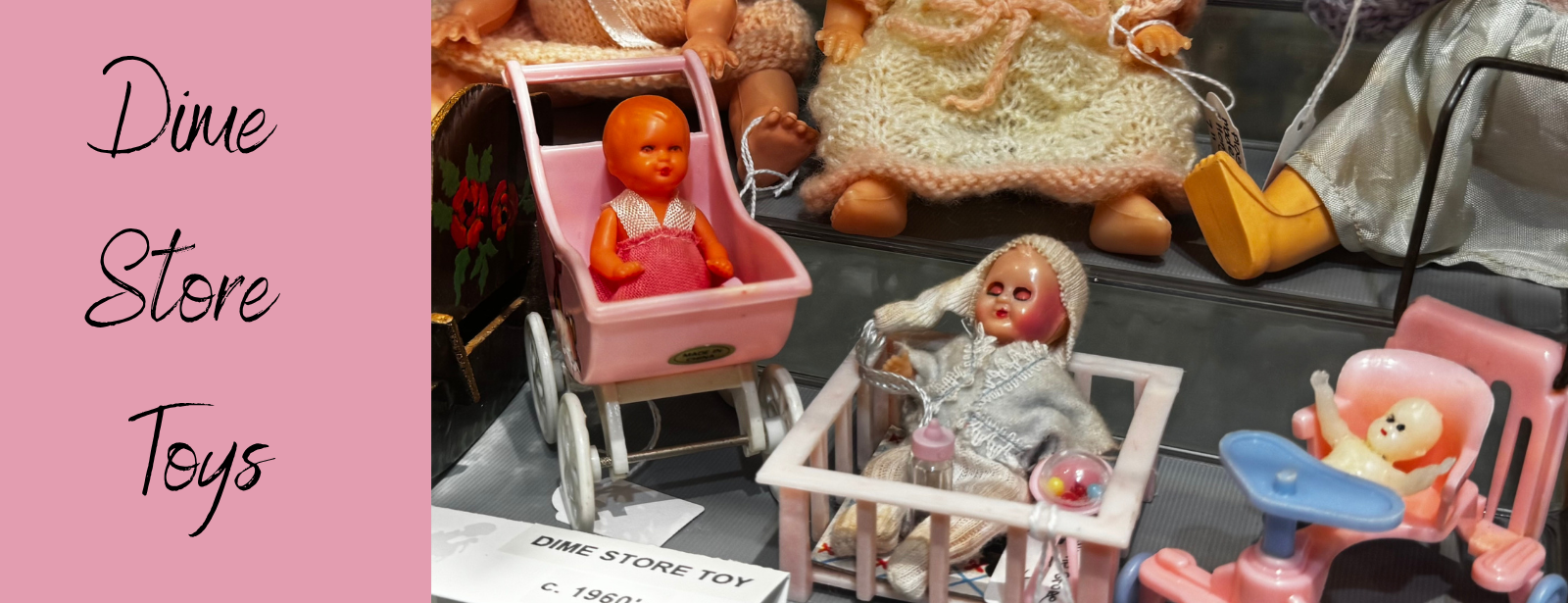
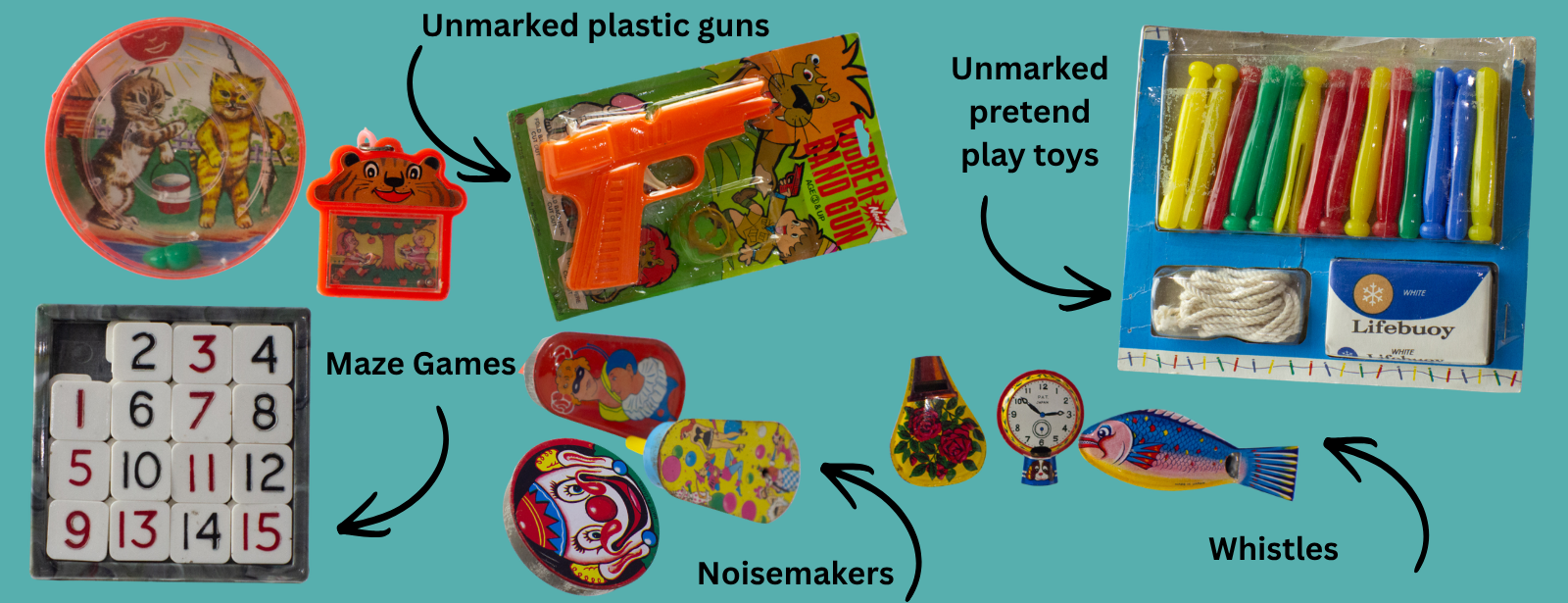
Made from materials such as hard plastic,soft plastic, vinyl and rubber, dime store toys were produced in enormousnumbers. They included dolls, babies, animals, miniature furniture, prams, teasets, rattles, vehicles, novelty toys and countless other playthings. Somecarried only simple mould numbers or no markings at all, making identificationan enjoyable challenge for collectors today.
While the term comes from the UnitedStates, similar toys were manufactured throughout Britain, Australia, Europe,Japan, Hong Kong and many other countries. They were sold through a widevariety of retailers including variety stores, department stores, chemists,newsagents, corner shops and toy departments. Regardless of where they weremade, they shared one important feature—they were everyday toys designed tobring joy to ordinary children.

Many children personalised these littletreasures. Dolls were dressed in hand-knitted clothing made by mums andgrandmothers, prams were lovingly pushed around the backyard, and tiny toyfamilies accompanied children on holidays and visits to friends. Althoughinexpensive, these toys often became much-loved companions.
Ironically, the toys that were onceconsidered everyday playthings are now treasured by collectors. Because theywere played with so often, many were broken, lost or discarded. The survivorsprovide a fascinating glimpse into changing manufacturing techniques, materialsand childhood across the twentieth century.
At My Doll Cottage, our Dime Store Toydisplay celebrates these humble little treasures. The collection includesexamples from many countries, illustrating how affordable toys connectedchildren across cultures and generations. More than simple playthings, theyrepresent the memories, creativity and everyday experiences of childhood.
With love
Shyloh
Tales from the youngest daughter of adoll collector — raised on Milo, Vegemite, and more antiques than a country opshop.