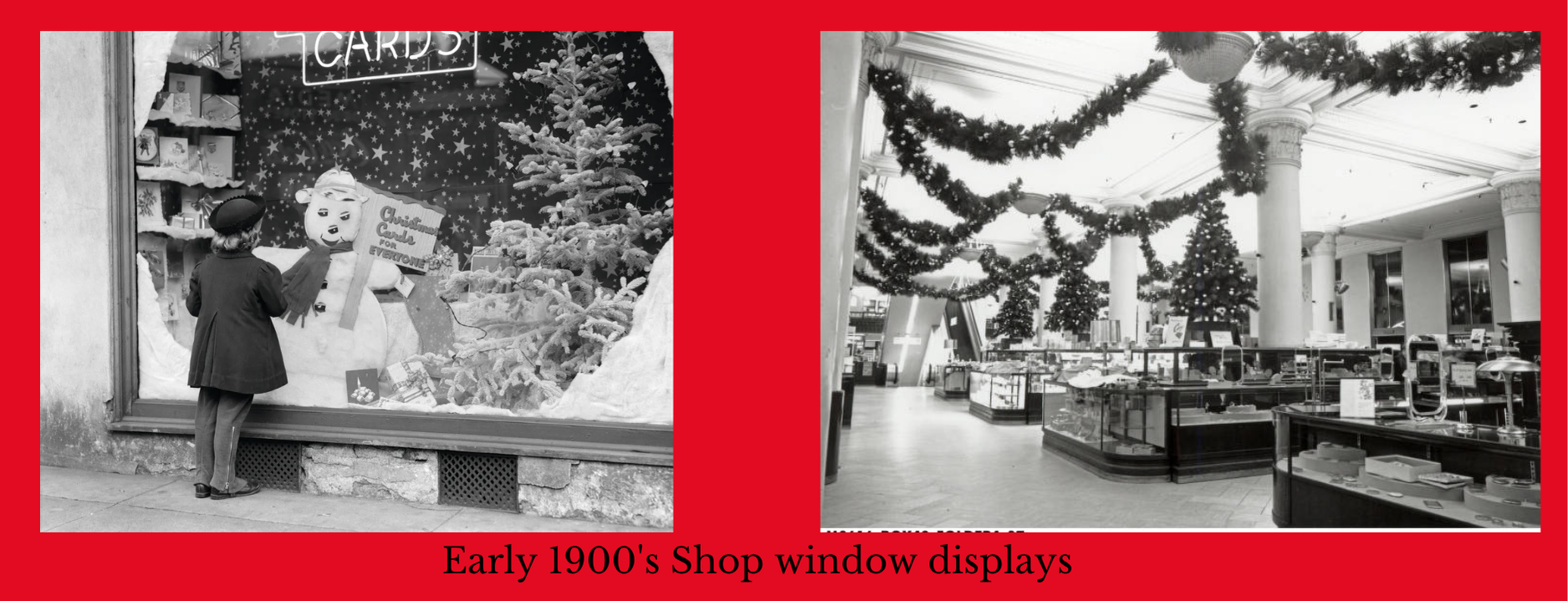
In the early 1900s, big city department stores began inviting children to visit Santa in person. Store Santas sat in decorated “grottos”, surrounded by twinkling lights, toy displays, and sometimes even moving figures of elves and reindeer. Shop windows became miniature stages, with animated scenes of trains puffing along tiny tracks, dolls “dancing”, and elves hard at work. For many children, these visits were the first time the idea of Santa’s workshop felt real – a magical place that might just exist beyond the snow.
Around the same time, Christmas catalogues began to land in letterboxes, turning the workshop into something you could flip through page by page. Companies like Sears in America and other major retailers worldwide produced thick “wish books” filled with toys, dolls, games and trains. The illustrations often showed Santa or his elves surrounded by gifts, echoing the idea that somewhere, out of sight, a busy workshop was preparing for Christmas morning. Children circled their favourites in pencil, as though placing their “orders” directly with the North Pole.
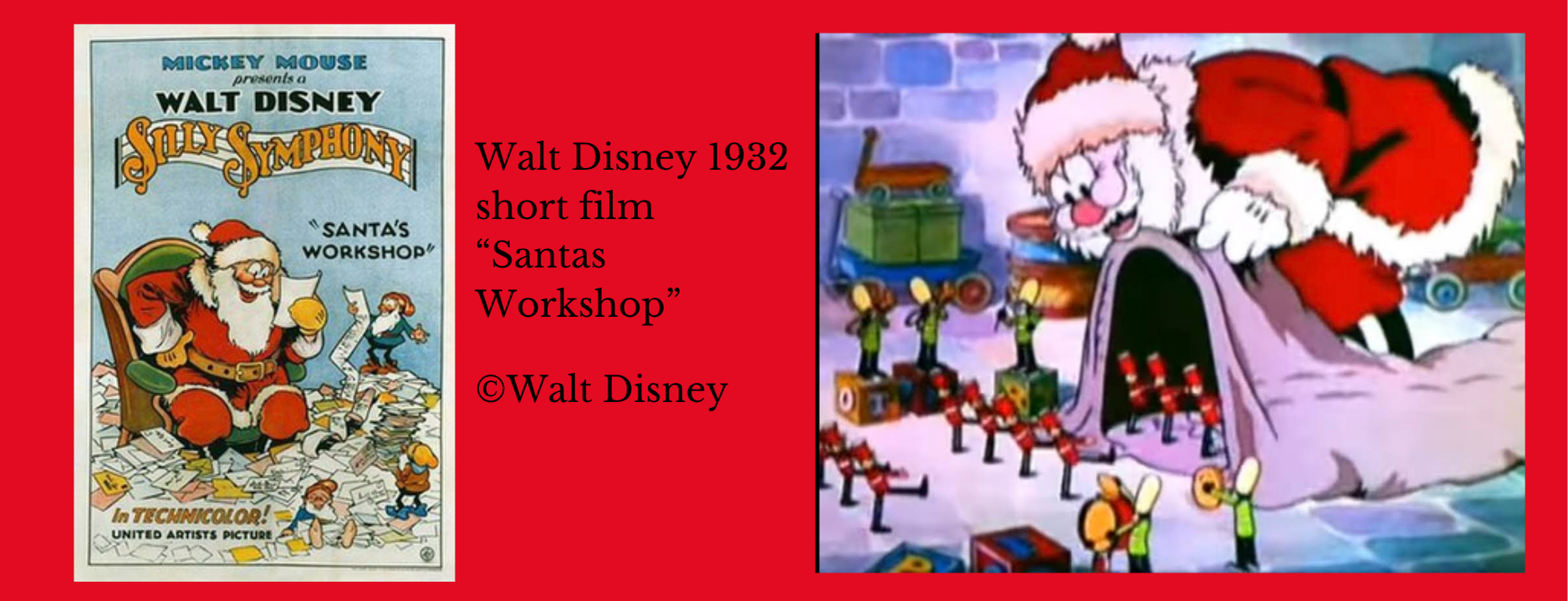
In 1932, Walt Disney brought Santa’s workshop to the big screen with his animated short film Santa’s Workshop. It featured jolly elves hammering, painting, and wrapping toys while Santa inspected their work — a scene that mirrored the bustling energy of real workshops around the world. The film was one of Disney’s early colour animations, and its cheerful music and moving toys captured the spirit of the season perfectly.
The idea continued to grow. By 1949, families could visit a real-life version when Santa’s Workshop – North Pole, New York opened its doors as one of the first Christmas theme parks. Children could meet Santa, see live reindeer, and watch toys being made by costumed “elves.” A few years later, another park opened in Colorado (1956), bringing the North Pole to life in a whole new way.
Through each generation, the workshop story evolved — from Nast’s ink drawings to department-store displays, catalogues and wish books, then to cinema screens and theme-park gates. Yet the heart of it has always remained the same: the wonder of watching something come to life, made with care and imagination.
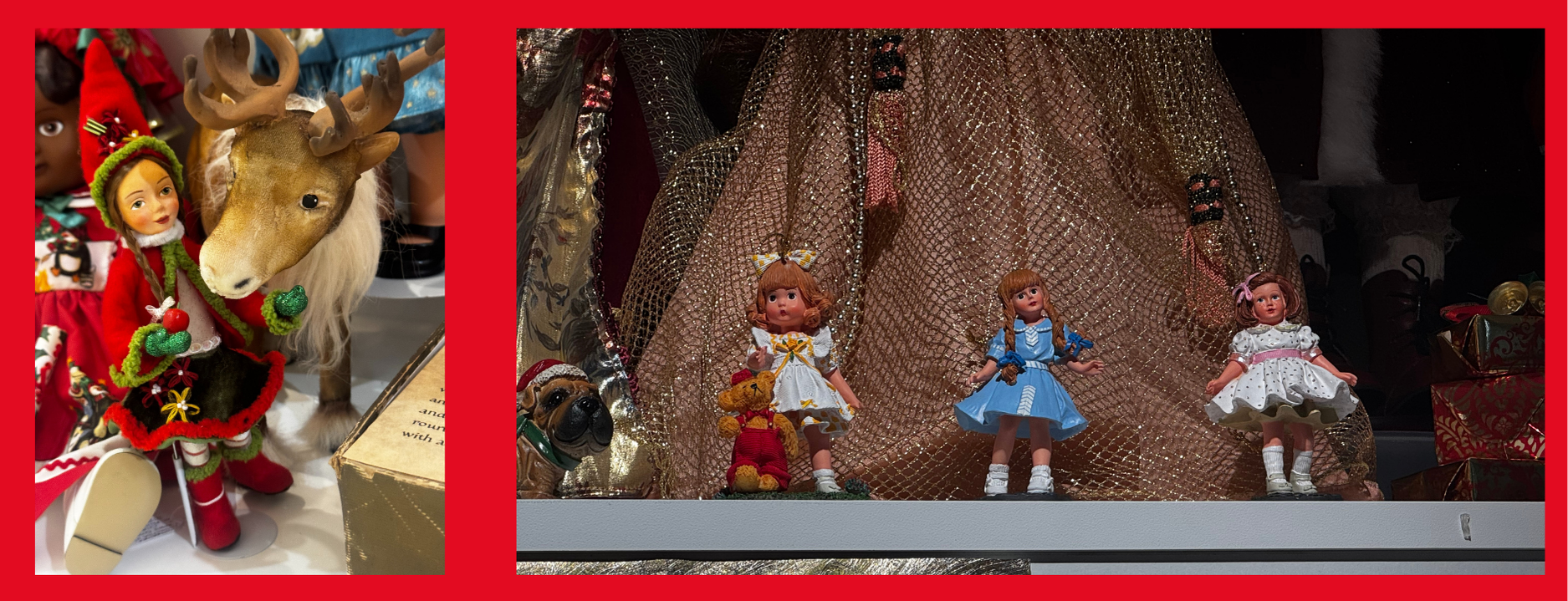
Join us at My Doll Cottage as we share more stories of toys, traditions, and the timeless magic that continues to inspire collectors and dreamers alike.
With love
Shyloh
Tales from the youngest daughter of adoll collector — raised on Milo, Vegemite, and more antiques than a country opshop.