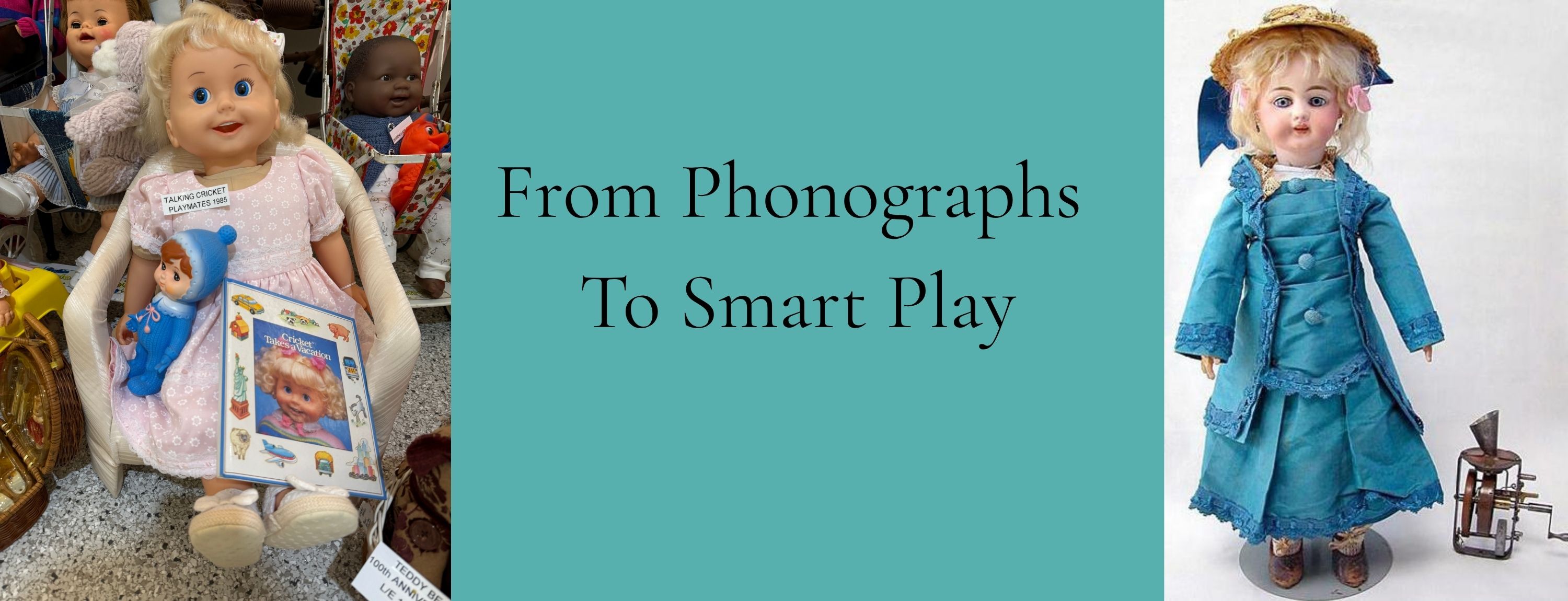
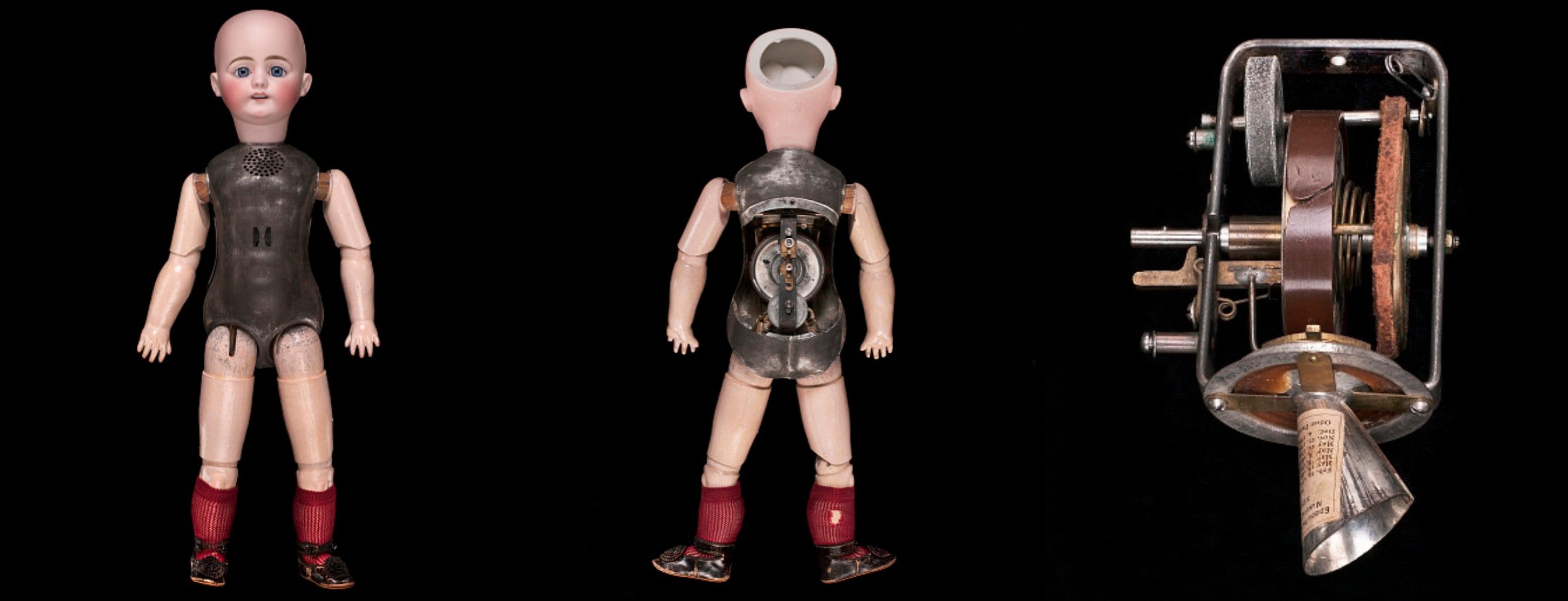
In 1890, American inventor Thomas Edison introduced one of the most ambitious toys of the Victorian era — the world’s first talking doll. Inside each porcelain-headed doll was a miniature phonograph, the same type of mechanism Edison used to record and play sound. Each phonograph held a small wax cylinder that played short nursery rhymes and songs when the crank was turned.
It was revolutionary for its time — a toy that spoke. Unfortunately, the reality was less enchanting. The recorded voices were often high-pitched, scratchy, and distorted, frightening many children who owned one. Even Edison himself called them his “little monsters.”
The dolls were expensive to produce, fragile, and prone to mechanical failure. Production lasted only a few weeks before they were withdrawn from sale, but their brief existence left a lasting mark on toy history. Today, surviving Edison talking dolls are among the rarest and most fascinating pieces for collectors — a haunting yet beautiful example of early attempts to bring technology into play time.
The Evolution of Talking Dolls
Edison’s idea of giving dolls a voice sparked a wave of innovation. Over the nextcentury, toy makers experimented with count less ways to make dolls “come to life.”
By the 1920s and 1930s, new mechanisms allowed dolls to say short phrases when a cord was pulled or air passed through small bellows. The Ideal Toy Company’s “Mama Dolls” and Horsman’s talking baby dolls became popular withtheir simple crying and cooing sounds.
In the 1950s and 1960s, advances in vinyl and miniaturised sound devices introducedbattery-operated dolls that could say pre-recorded phrases. Mattel’s Chatty Cathy, released in 1959, revolutionised the toy world. Children could pullher string and hear up to eleven phrases, such as “I love you” and “Let’s playhouse.” Chatty Cathy’s success paved the way for a new generation ofinteractive toys.
By the 1970s and 1980s, talking dolls incorporated cassette tapes, electronic chips,and motion sensors, giving them more personality and life like interactions.This era saw toys become companions — not just collectibles — blending imagination with early digital technology.
The Cricket Playmate Doll – 1985
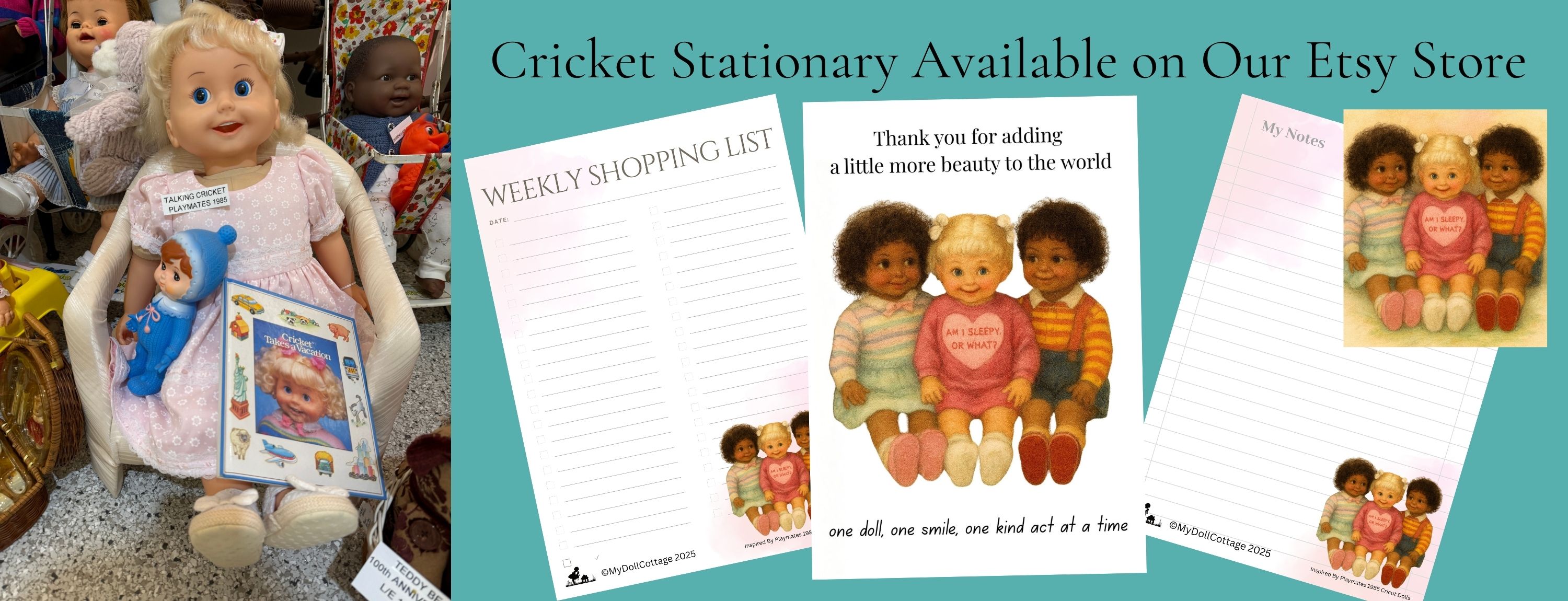
One of the most memorable talking dolls of the 1980s was Cricket, released by Playmates Toys in 1985. She was a large, cheerful doll with a built-in cassette player in her back and a soft body designed for cuddles. When her cassette was played, her mouth and eyes moved in sync with the voice recording — a major leap forward in doll interactivity.
Cricket came with a library of story and song cassettes, encouraging children to singalong and learn through play. Her bright blonde hair, big blue eyes, and playful personality made her a beloved friend for many children growing up inthe late 1980s.
Today, Cricket dolls have become nostalgic collector’s items and a highlight in many toy museums — including ours at My Doll Cottage. They stand as a charming reminder of how far we’ve come since Edison’s delicate phonograph dollfirst whispered her mechanical rhymes over a century ago.
With love
Shyloh
Tales from the youngest daughter of a doll collector — raised on Milo, Vegemite, and more antiques than a country op shop.