
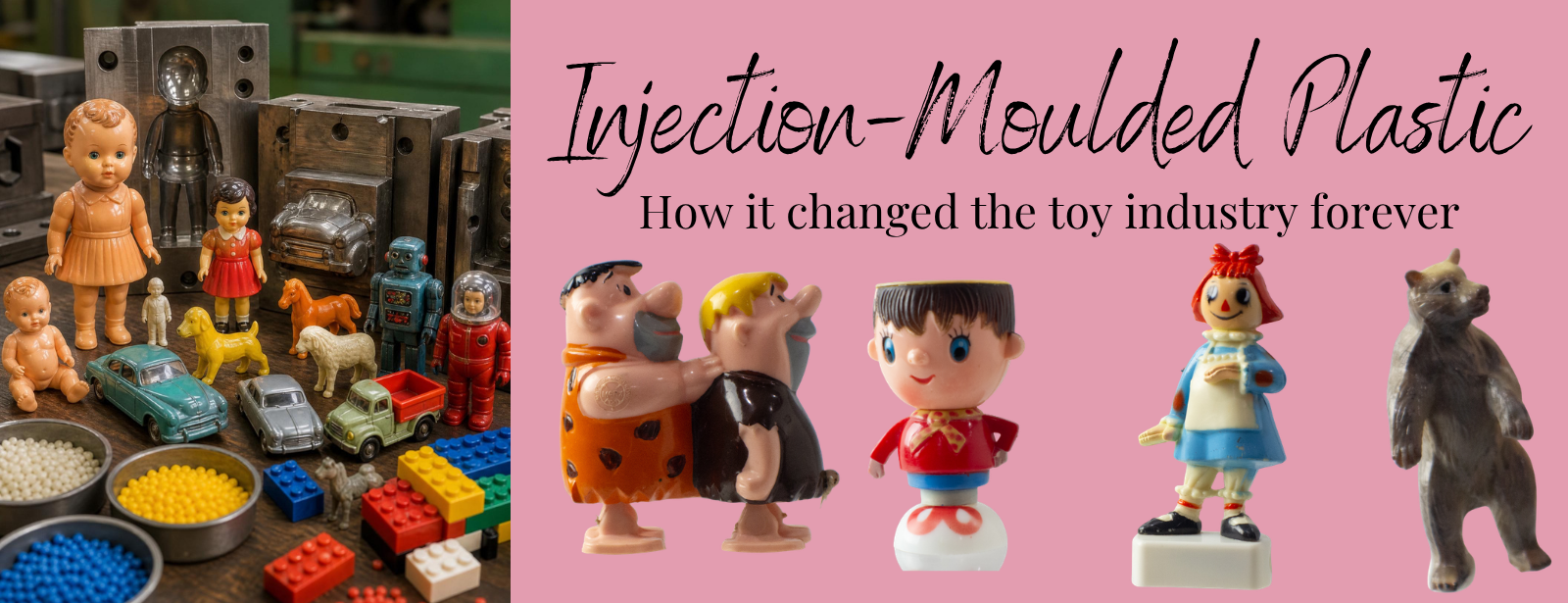
Injection-moulded plastic didn’t just offer a new material — it completely transformed how toys were designed, produced, and played with. From Barbie to Marx playsets, model kits to action figures, this one invention changed the entire industry.
The idea behind injection moulding goes back further than most people realise. In 1872, American inventors John Wesley Hyatt and his brother Isaiah created the first basic moulding machine for early plastics like celluloid. Their device was simple, but it planted the seed.

After World War II, new plastics emerged —safer, stronger, more stable. In the late 1940s, engineer James Watson Hendry designed the first modern screw-injection machine, capable of melting plastic evenly and injecting it into detailed metal moulds. This allowed manufacturers to create intricate parts quickly, reliably, and on a massive scale.
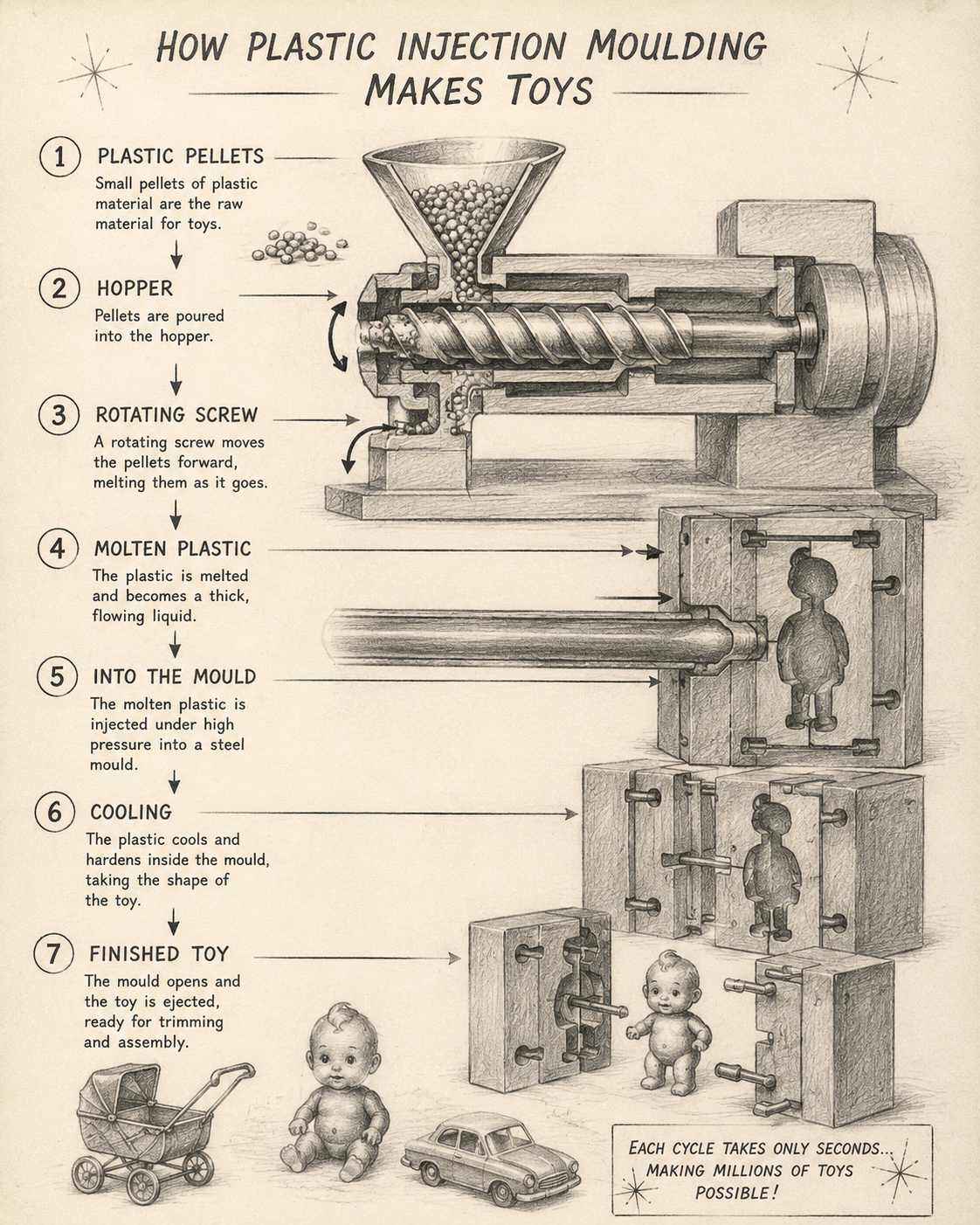
The process itself is surprisingly elegant. Plastic pellets are melted, pushed forward by a rotating screw, and injected into a steel mould under pressure. Once cooled, the part is released, ready to use. Each cycle can take only seconds, making toys cheaper and easier to produce than ever before.
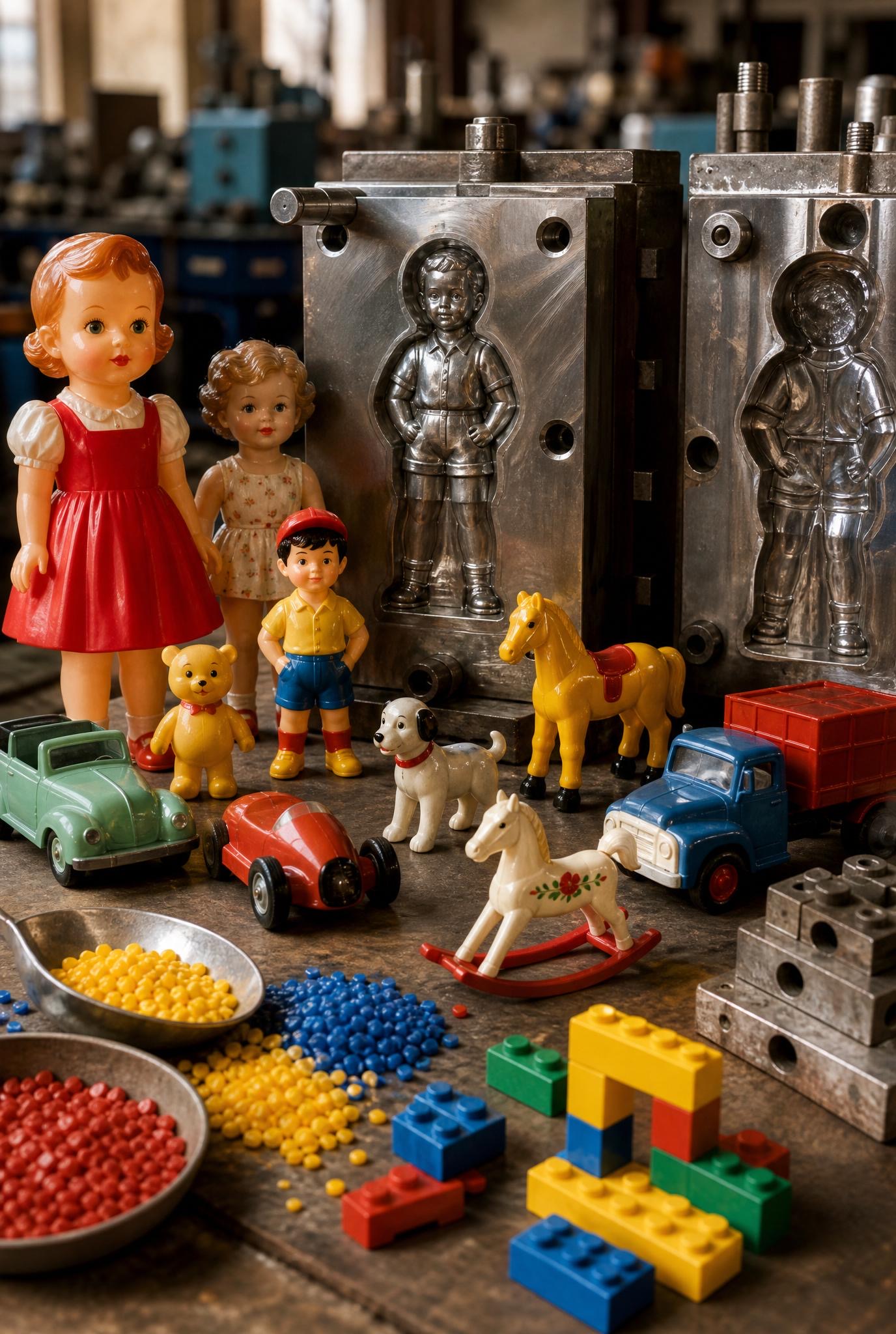
Before plastics took over, toys were made from tin-plate, wood, composition, celluloid and rubber. These materials bent, chipped, cracked or required hand-painting. Injection-moulded plastic arrived with durable colours, smooth finishes, consistent details and safer designs — ideal for licensed characters that needed to look exactly like their cartoon counterparts.
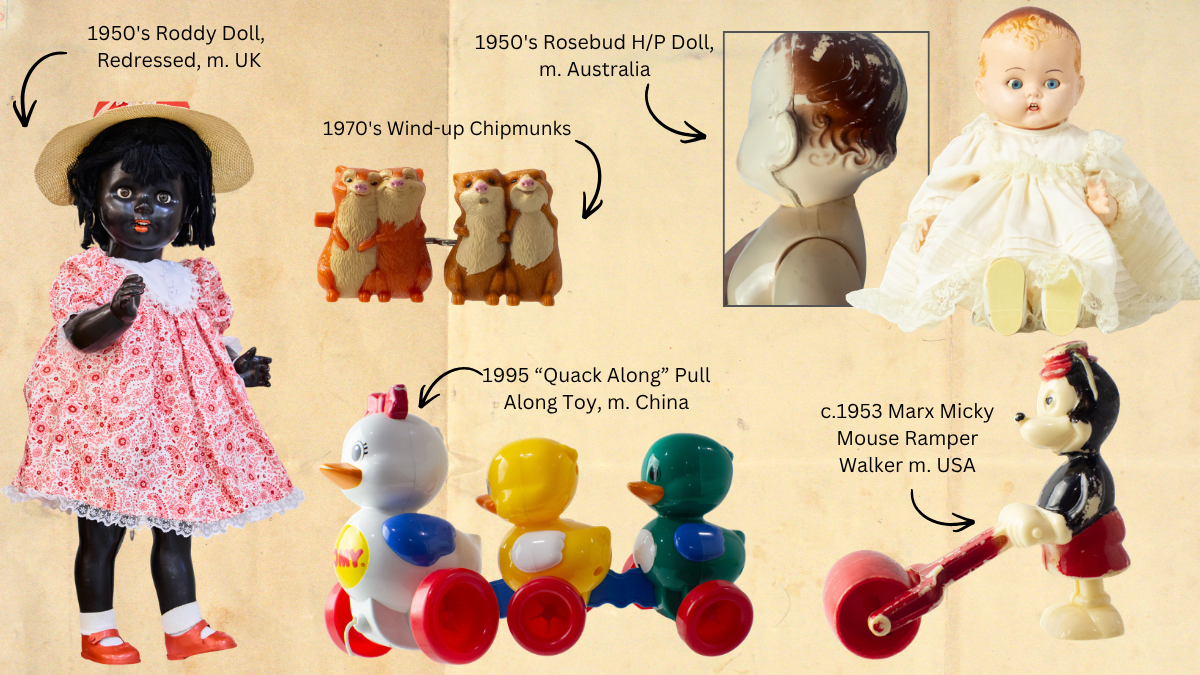
Several brands helped push the industry toward plastics: Louis Marx & Co. used injection moulding heavily in the 1950s–60s, Ideal Toy Company created early hard-plastic dolls, and Mattel’s 1959 Barbie relied entirely on moulded plastic to become a global phenomenon. Japanese companies like Bandai and Takara embraced the technology, while Hong Kong factories became global leaders in plastic toy production.
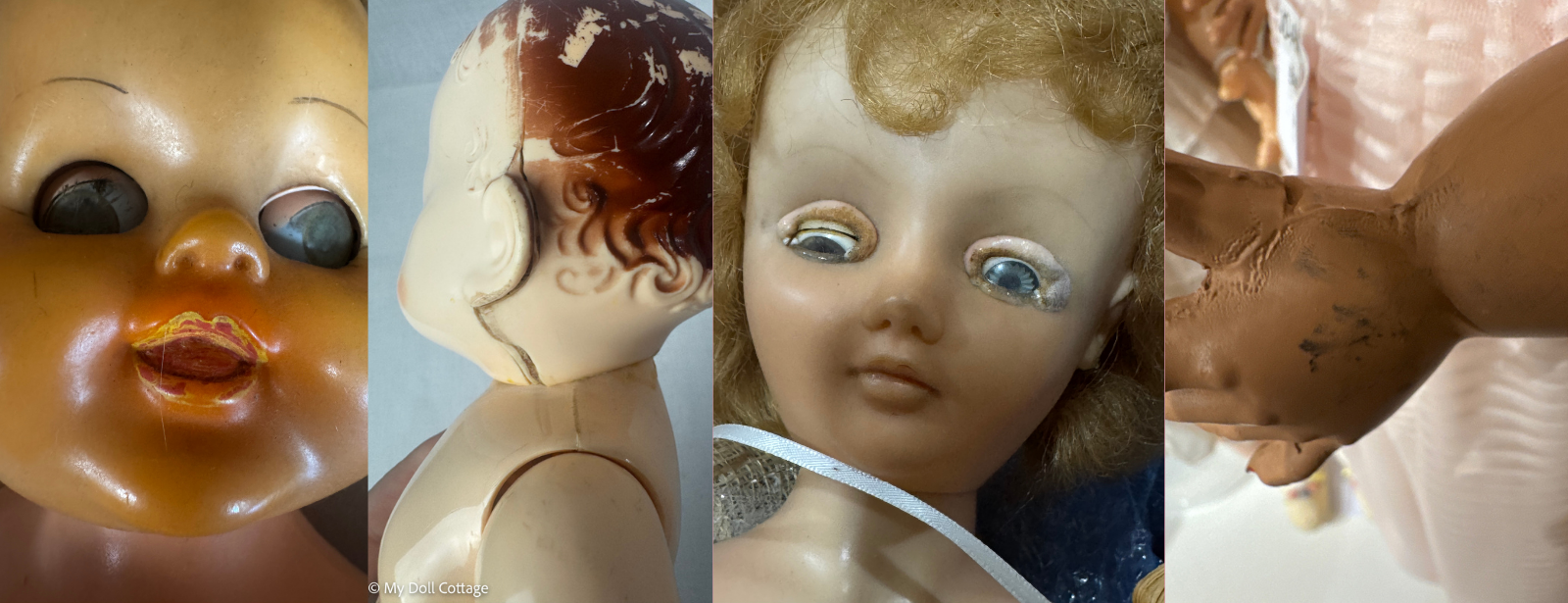
Of course, the shift had challenges. Early plastics could yellow or turn brittle. Colour consistency required careful control. Moulds were expensive and needed precise temperatures to avoid warped or incomplete parts. By the mid-1960s, most of these problems were solved — and plastic toys had taken over the world.
Several toys mark the arrival of this new era: Barbie (1959), Marx playsets, hard-plastic dolls of the 1950s, detailed plastic model kits, classic ramp walkers like Fred Flintstone, and early action figures from Hasbro and Mego. These toys didn’t just entertain children — they shaped what toys could be.
For museums, collectors and anyone curious about the history of play, injection moulding is one of the most significant turning points of the 20th century. It changed materials, manufacturing, design possibilities, and the entire global toy industry.
With love
Shyloh
Tales from the youngest daughter of adoll collector — raised on Milo, Vegemite, and more antiques than a country opshop.