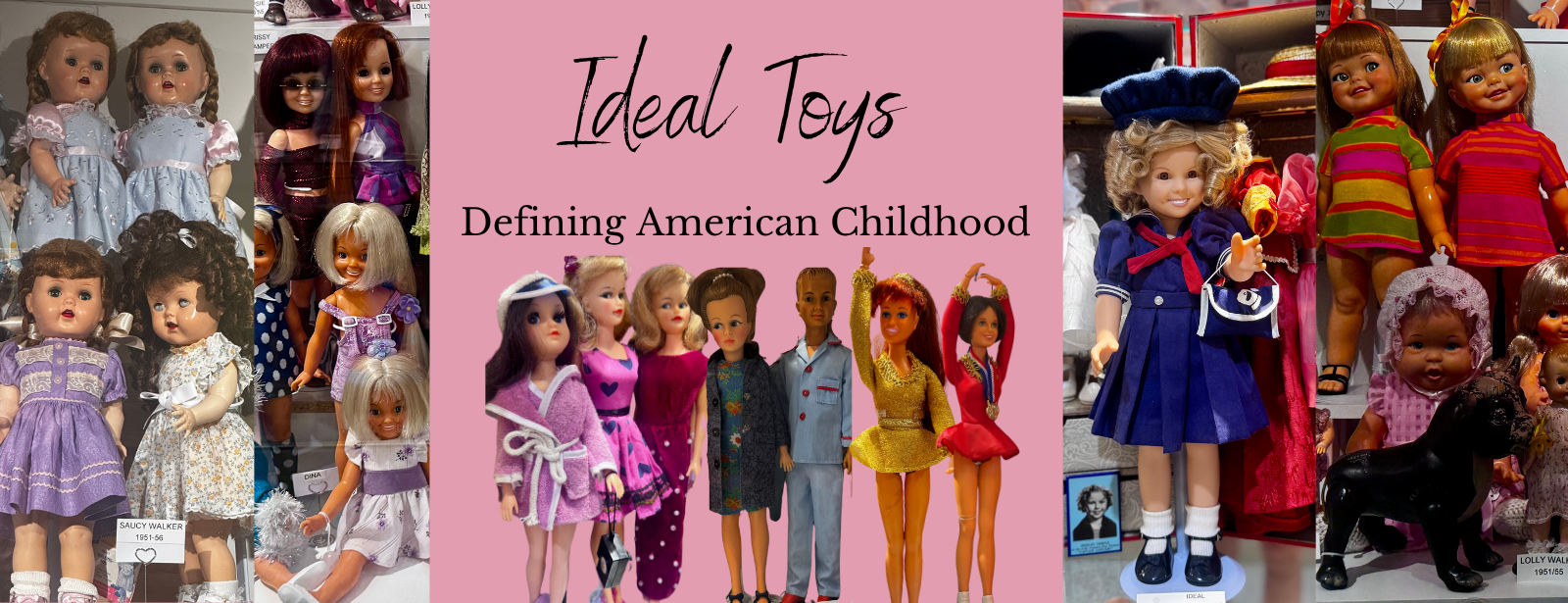
The shelves are bright with familiar faces —Patti Playpal standing tall, Betsy Wetsy looking sweet and slightly mischievous, Tammy with her wholesome teen charm, and the Crissy dolls showing off their magical growing hair. It’s one of those displays where parents suddenly become children again, pointing and smiling, remembering birthdays, Christmas mornings and little moments long tucked away.
.jpeg)
The Ideal story begins in 1903 with Morris and Rose Michtom, founders of the original Ideal Novelty and Toy Company. Their early success came from producing one of the first commercially successful teddy bears in the United States, inspired by President Theodore Roosevelt.
What started as a small novelty business quickly grew into a major manufacturer. By the 1920s and 1930s, the company had expanded into dolls, games, and children’s playthings, simplifying its name to Ideal Toy Company as it established itself as a household brand.
This early period is significant because it reflects the broader shift from handmade toys to mass-produced commercial play, making toys more widely accessible to families.
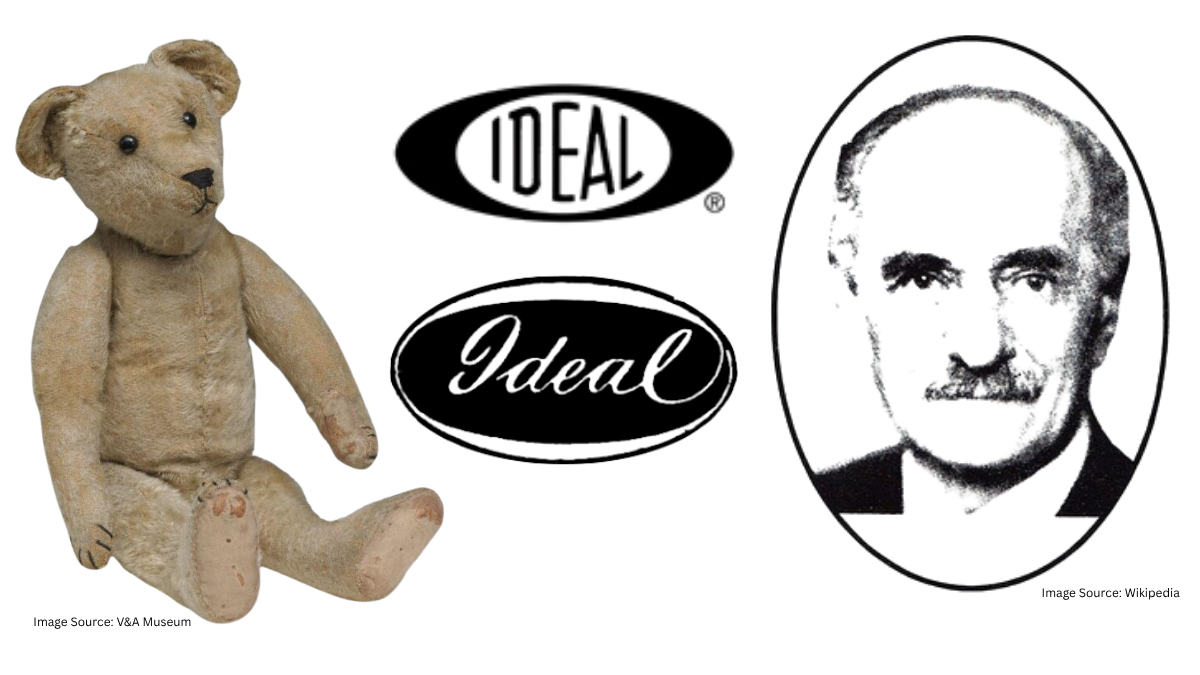
As materials evolved, so did Ideal. The company moved from composition and cloth into early plastics, positioning itself at the forefront of post-war manufacturing changes.
One of its most important early successes was:
· Betsy Wetsy (1934) – a drink-and-wet doll that became one of the most popular baby dolls of its time
Following World War II, Ideal expanded rapidly, taking advantage of new plastics and manufacturing techniques. This era saw the company begin to experiment with marketing and identity in new ways:
· Toni Doll (1949) – sold along side home permanent kits, marking one of the first major cross-promotional toy campaigns
· Miss Revlon (1950s) – a fashion doll representing a shift toward teenage identity and glamour in dolls, predating the fashion doll boom that would follow later in the decade
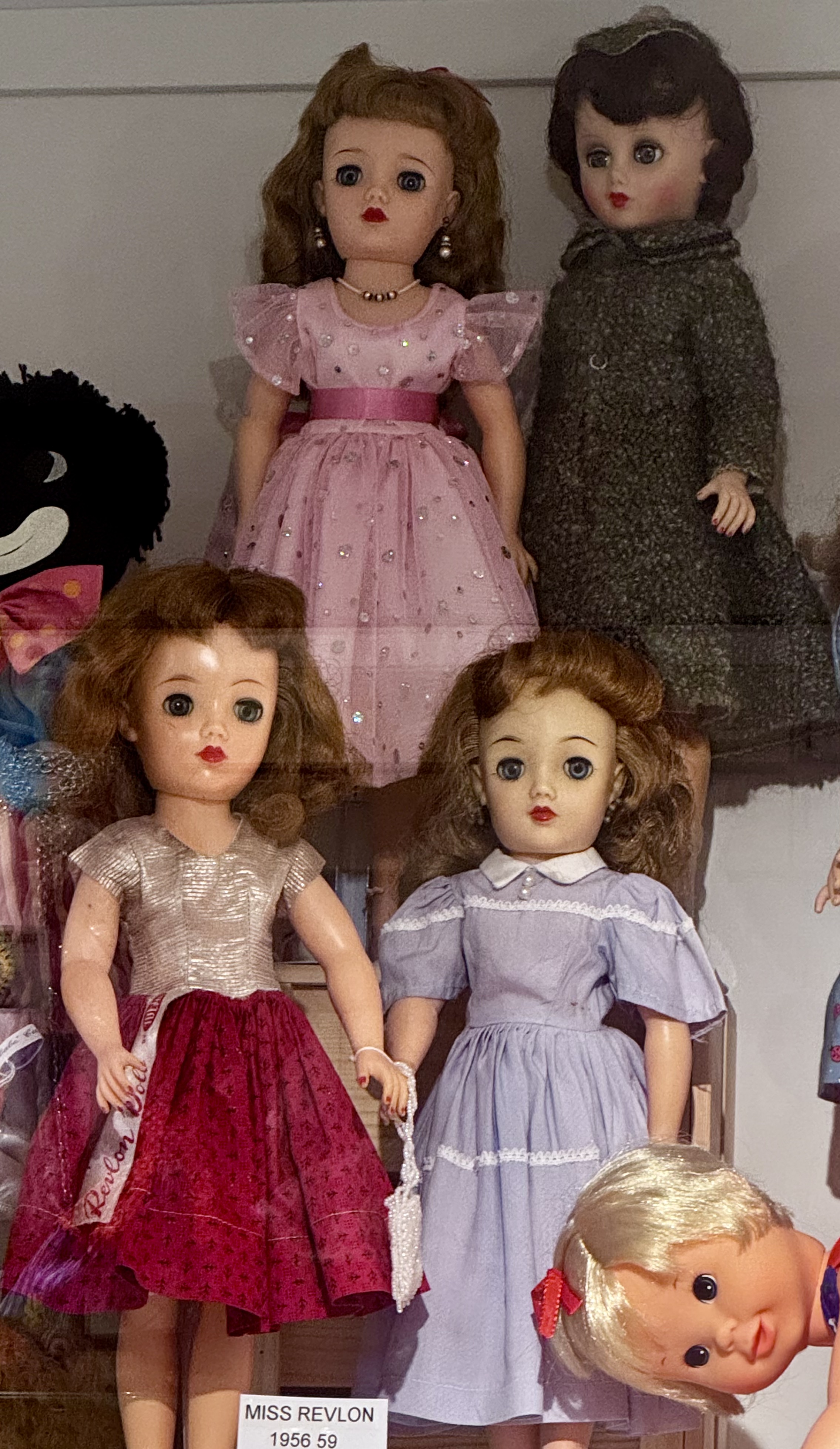
These developments show a clear change in play patterns — from nurturing baby dolls to aspirational and lifestyle-based play.
By the 1960s, Ideal was no longer just producing dolls — it was buildingentire play systems and responding to the rise of television and popularculture.
Key examples include:
· Patti Playpal (1959) – large companion dolls designed to wear real children’s clothing
· Tammy(1962–1966) – marketed as “the doll you love to dress,” reflecting everyday teenage life rather than fantasy glamour
.jpeg)
· Crissy and Tressy (late 1960s–1970s) – featuring mechanical “growing hair,”combining play with simple internal mechanisms.

Ideal also created mechanical toys, board games and puzzles such as Mr. Machine, Mouse Trap, the Magic 8 Ball, and even distributed the Rubik’s Cube in the U.S. during the 1980s.
Ownership changed several times — from CBS Toys to View-Master to Tyco and eventually Mattel — yet the Ideal legacy remains strong. Their dolls continue to shine on our shelves, not just as objects, but as reminders of the creativity, warmth and magic that toys can bring into our lives.
Ideal also played a major role in the development of action and mechanical toys, including:
· Captain Action (1966) – an early action figure system with interchangeablecostumes
· Evel Knievel Stunt Cycle (1970s) – a mechanically powered toy that becameone of the most recognisable stunt toys of its era
During this period, Ideal embraced licensed characters and media-driven toys, reflecting a broader industry shift where toys became closely tied to television, film, and celebrity culture.
Beyond dolls, Ideal contributed significantly to the wider toy market through games and novelty items. While not all were original inventions, the company played a key role in popularising and distributing well-known toys, including:
· Boardgames and activity toys
· Mechanicalnovelty items such as Mr. Machine
· Distribution of products like the Rubik’s Cube in the United States during the 1980s
This diversification highlights how Ideal evolved from a doll maker into a multi-category toy company, shaping play across different age groups and interests.
Like many historic toy companies, Ideal faced increasing pressure from global competition and rising production costs in the late 20th century.
Ownership changed several times:
· Acquiredby CBS Toys in 1982
· Merged into the View-Master Ideal Group in the mid-1980s
· Purchased by Tyco Toys in 1989
· Ultimately absorbed into Mattel in 1997
These transitions reflect a wider trend in the toy industry — the consolidation of smaller, historically significant companies into larger global corporations.
For collectors and researchers, Ideal toys can often be identified by their markings:
· Early pieces may read “Ideal Novelty and Toy Co.”
· Mid-centurydolls often include “Ideal Toy Corp” or “Ideal Toy Company” moulded into the body
· Later items may feature simple “Ideal” branding, often alongside “Made in USA” or patent numbers
· Licensed toys frequently include additional copyright markings relating to the characteror brand
These markings are an important part of cataloguing and dating items withina collection.
The legacy of the Ideal Toy Company lies not just in the toys themselves, but in what they represent.
Across its history, Ideal reflects some of the most important shifts in toy-making:
· Handmade→ mass-produced toys
· Composition→ plastic materials
· Baby dolls → fashion and identity-driven dolls
· Static toys → mechanical and interactive play
· Generic toys → licensed and media-driven products
Today, the dolls in our collection are more than display pieces. They are evidence of how childhood has evolved — shaped by technology, culture, and imagination.
And as visitors pause in front of Patti Playpal or Crissy, those changes become something much more personal — a direct connection between past and present, memory and object, play and history.
With love
Shyloh
Tales from the youngest daughter of adoll collector — raised on Milo, Vegemite, and more antiques than a country opshop.