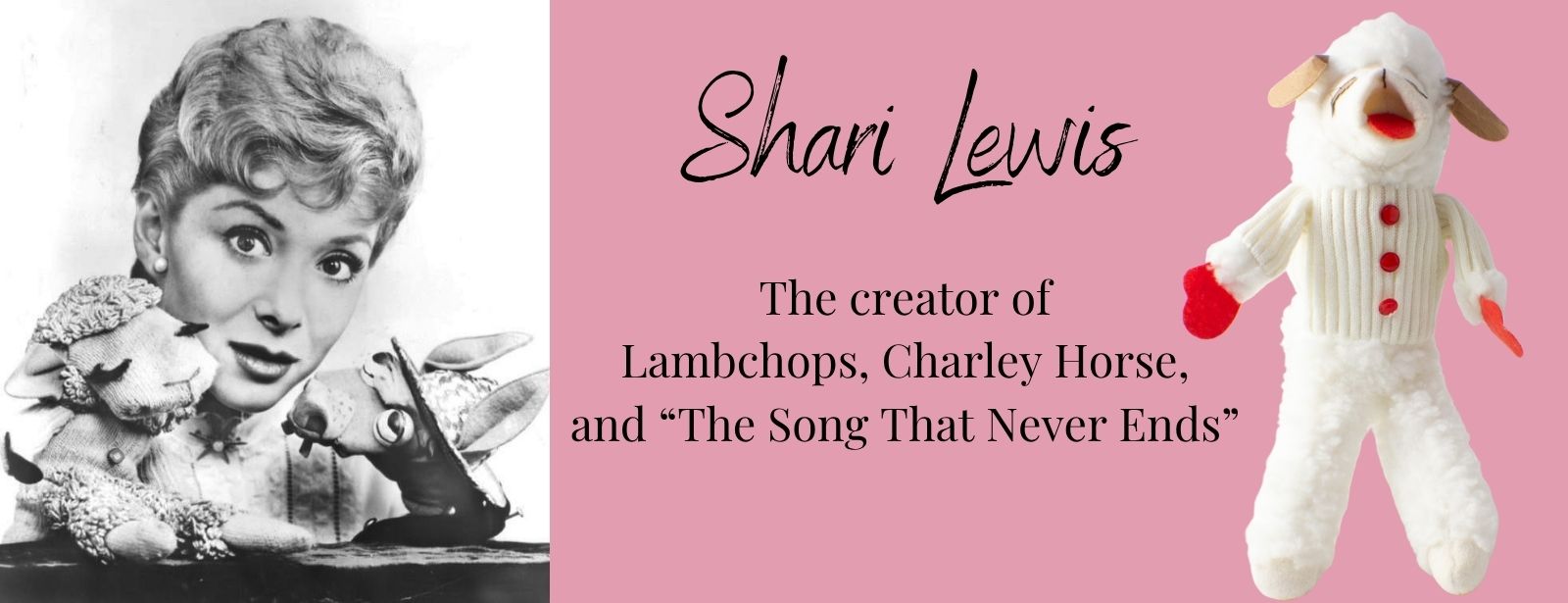
Best known for creating Lamb Chop, she built a career that spans early live television through to structured educational programming in the 1990s. Rather than being remembered simply as a children’s entertainer, Lewis’s work is more accurately understood as part of a broader shift in how children engaged with media—moving from passive viewing to interactive, learning-based play.
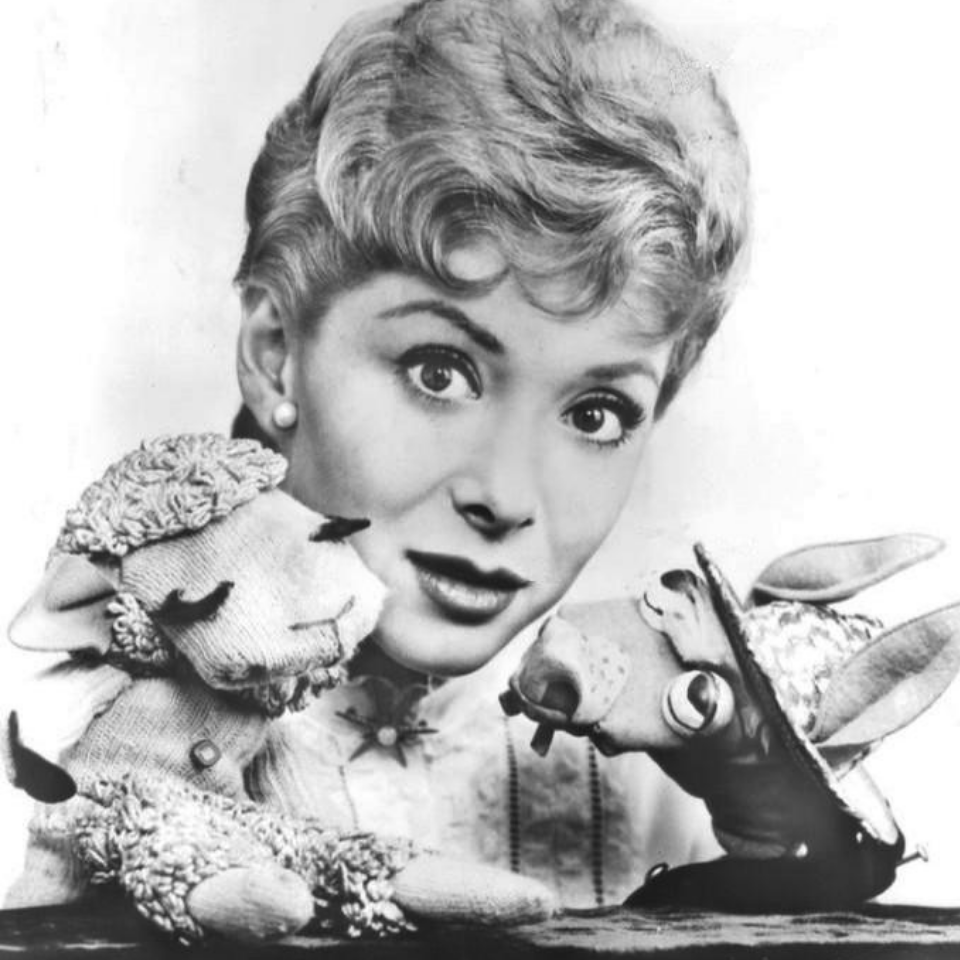
Born Sonia Phyllis Hurwitz in New York, Shari Lewis was trained in music, dance, and acting before turning to puppetry and ventriloquism. Her early success came in 1952 when she won Arthur Godfrey’s Talent Scouts, a popular television program that launched her into national recognition.
By 1956, she was hosting The Shari Lewis Show, where Lamb Chop was first introduced. At this time, television was still largely live, meaning her performances relied heavily on timing, voice work, and technical skill rather than editing or production effects.
The puppet itself was simple in construction—a soft lamb operated by hand—but this simplicity allowed for a strong focus on character. Lamb Chop was expressive, quick-witted, and often slightly mischievous, creating a dynamic that felt more like a conversation than a performance.
As children’s television evolved through the 1970s and 1980s, programming began to change. Educational formats became more structured, and competition increased from animation and large-scale productions. During this period, Lewis’s style of solo puppetry became less prominent in mainstream media.
Rather than disappearing, however, her work adapted. She continued writing, performing, and developing educational content, positioning herself for a return in a changing industry.
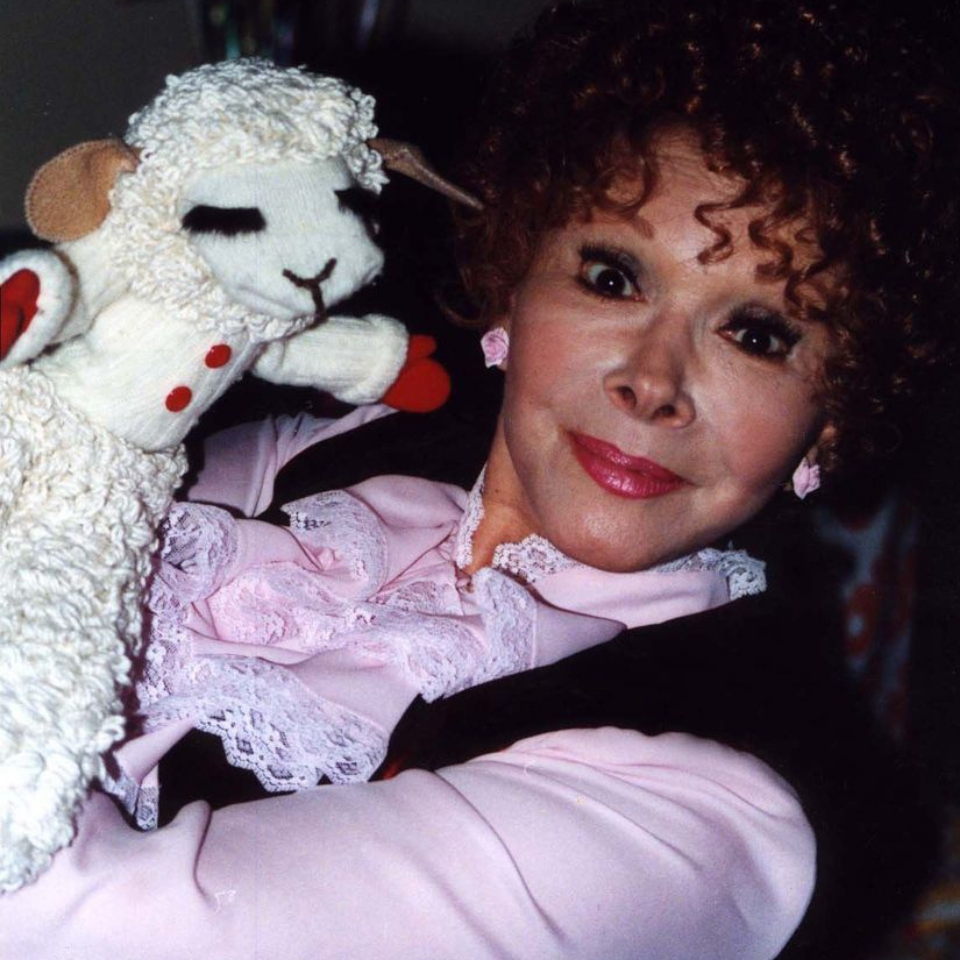
In 1992, Lewis reintroduced Lamb Chop through Lamb Chops Plang Along with PBS This series marked a clear shift in approach.
Unlike earlier television formats, Play-Along was built around participation. Children were encouraged to respond, repeat, and engage directly with the program. Techniques such as repetition, rhythm, and call-and-response were used deliberately to support memory, language development, and early learning skills.
One of the most recognisable elements from the show, “The Song That Doesn’t End,” demonstrates this approach. Its looping structure reinforces recall through repetition, a method commonly used in early childhood education.
This period represents the peak of Lamb Chop’s cultural reach, with the character becoming familiar to a second generation of viewers.
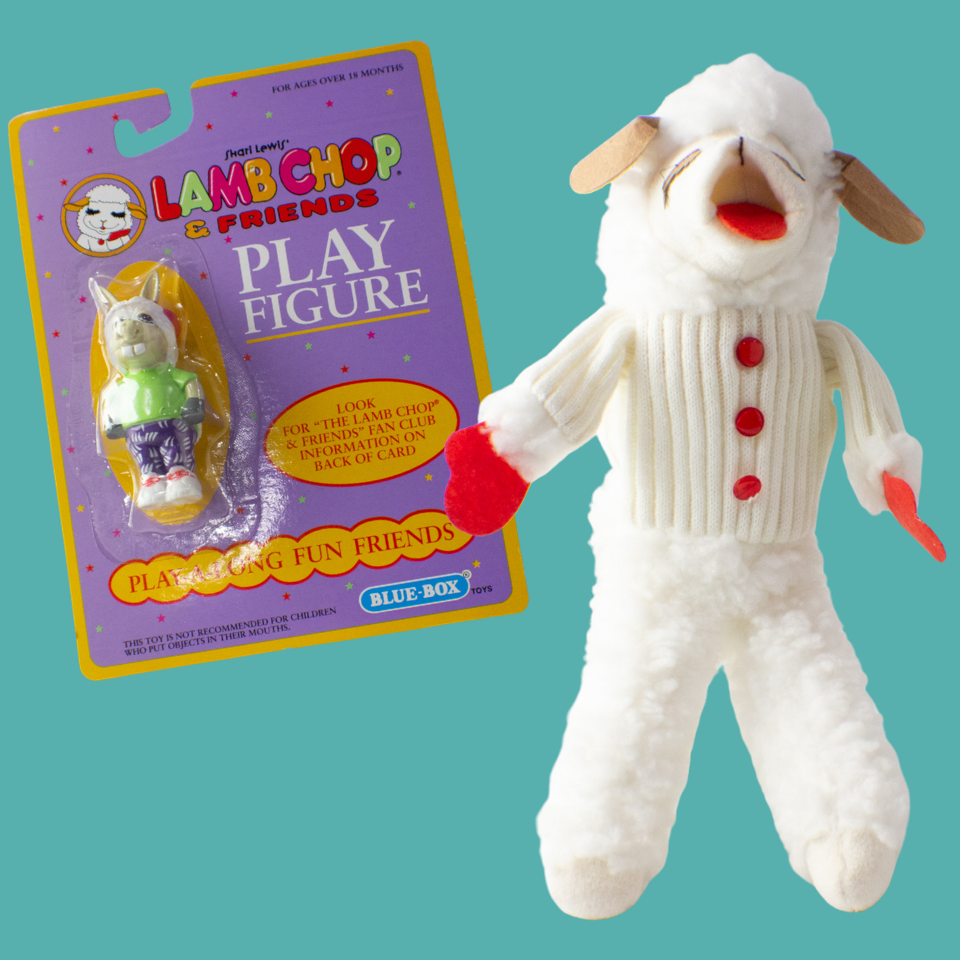
Lamb Chop’s design remained intentionally simple throughout its history. Unlike many later puppets that incorporated mechanical features, Lamb Chop relied entirely on hand movement and voice.
This placed the emphasis on performance rather than construction. Expression, timing, and personality were created through the puppeteer’s skill, aligning the character more closely with traditional forms of puppetry than with modern animatronic or studio-based systems.
This distinction is important when considering Lamb Chop in a museum or collection context—it represents a performer-led object, not a mass-produced toy designed to function independently.
Following Shari Lewis’s death in 1998, Lamb Chop did not disappear. Her daughter, Mallory Lewis, continues to perform with the puppet, maintaining continuity in both voice and character.
This continuity is relatively rare. Most character-based toys or media figures pass through multiple performers or reinterpretations, but Lamb Chop has remained closely tied to its original performance style.
With love
Shyloh
Tales from the youngest daughter of adoll collector — raised on Milo, Vegemite, and more antiques than a country opshop.