Easter Eggs Before Chocolate
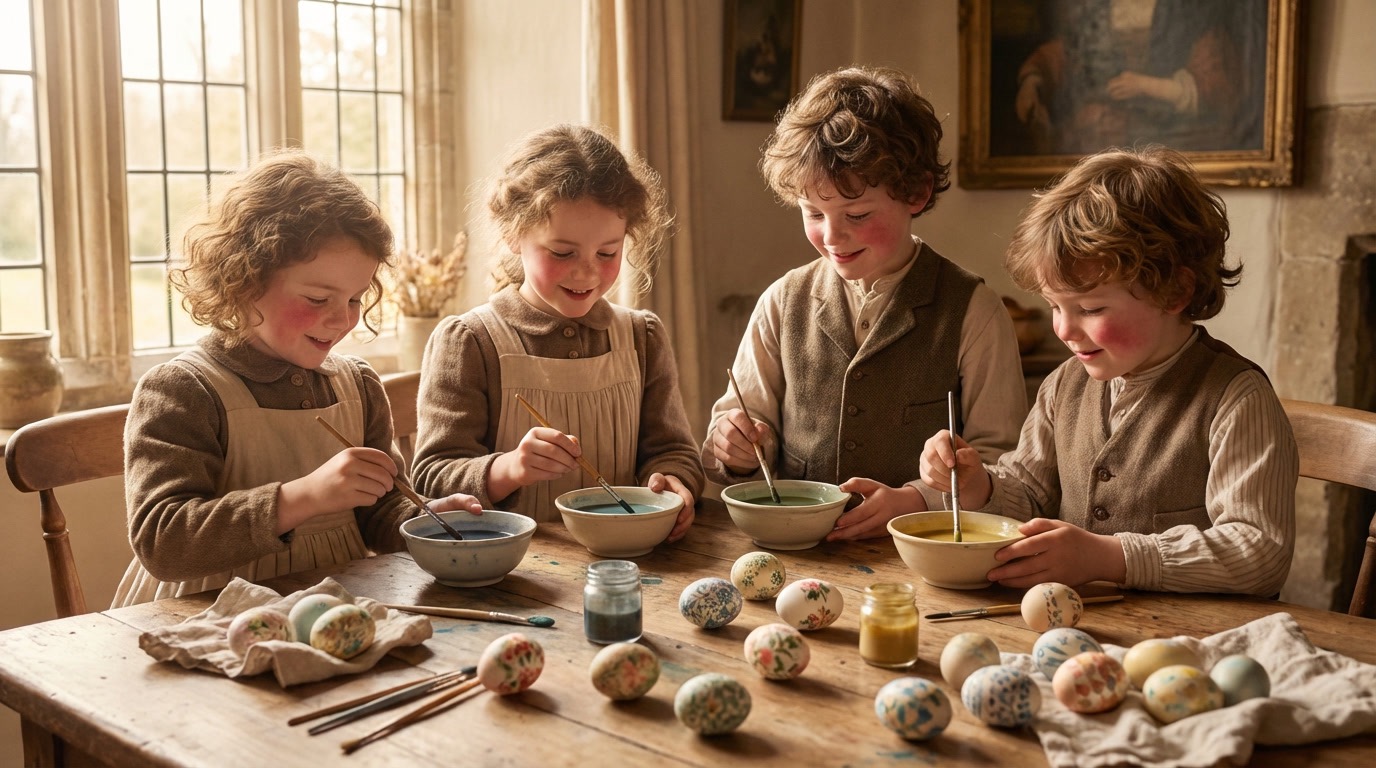
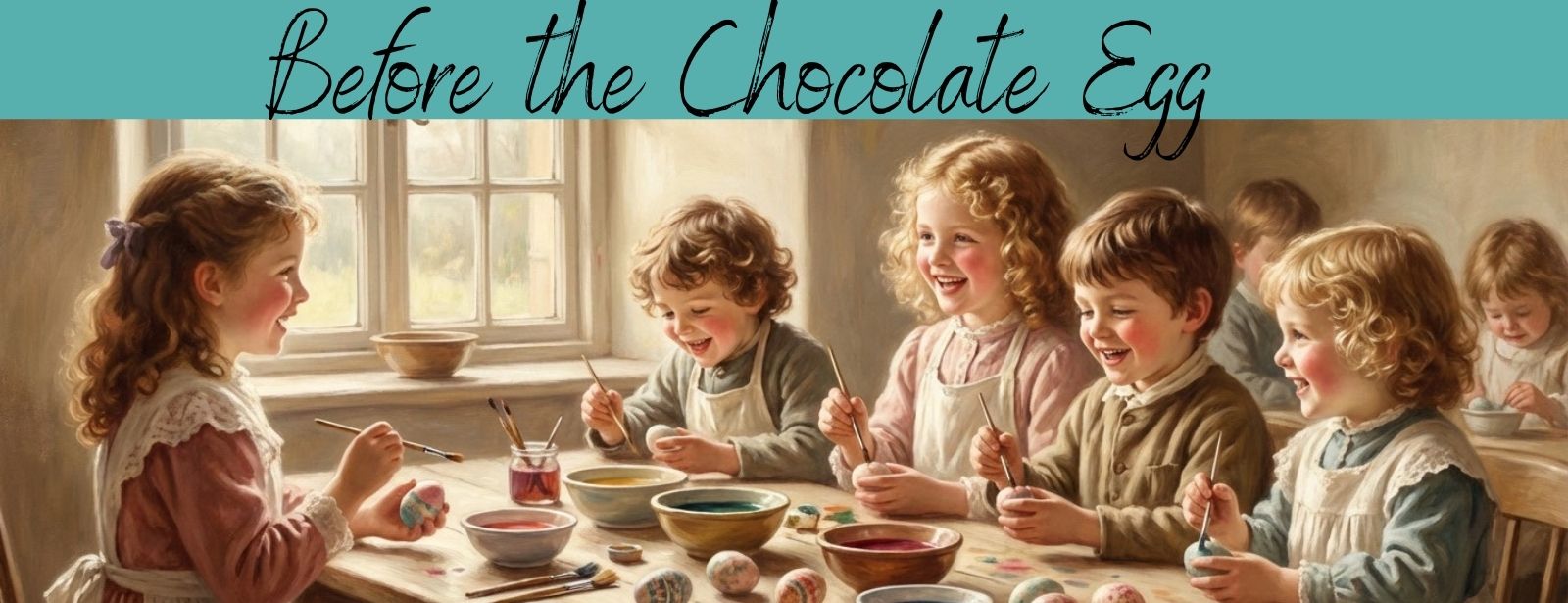
For centuries before chocolate eggs existed, Easter eggs were real eggs. Eggs had long symbolised new life and renewal, making them a natural symbol for spring festivals and later Christian Easter celebrations. During the fasting period of Lent, eggs were often forbidden, so they became a special treat once Easter arrived.
Families would decorate eggs by:
• dyeing them
• painting them
• carving patterns into the shell
Sometimes eggs were hollowed and filled with sweets or small treats before being given to children.
In many households these decorated eggs were placed into baskets along side small toys and keepsakes.
As explored in last week’s blog, Easter gifts were not always edible. Baskets often included miniature toys, dolls, and decorative objects, making Easter a celebration of discovery as much as tradition.
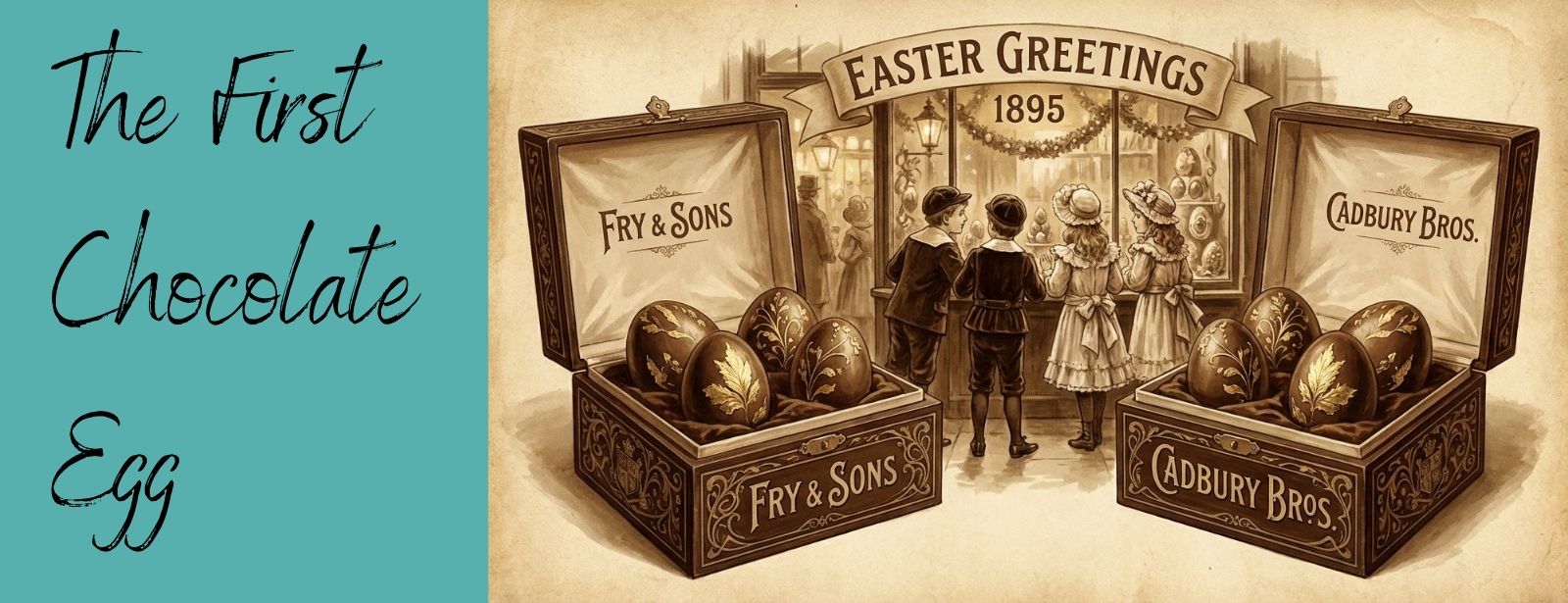
In 1873, the British chocolate company J. S. Fry & Sons produced the first hollow chocolate Easter egg in the United Kingdom. Fry’s had already become well known for innovation in chocolate manufacturing. The company had introduced one of the first moulded chocolate bars, and its advances in chocolate processing made it possible to mould chocolate into hollow shapes.
This innovation transformed the traditional Easter egg into something entirely edible, marking the beginning of a new Easter tradition.
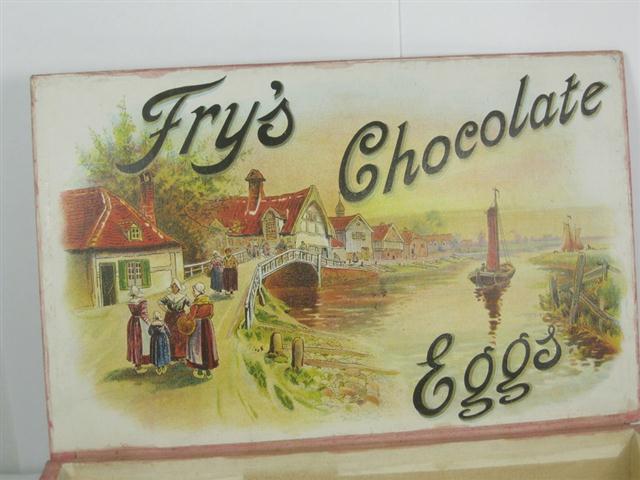
Just two years later, in 1875, Cadbury introduced its own moulded chocolate Easter eggs. Cadbury’s early eggs were made from dark chocolate and often contained small dragees, also known as sugared almonds, hidden inside the shell. The company invested heavily in attractive packaging and advertising, helping to turn chocolate Easter eggs into a fashionable Victorian gift. While Fry’s created the first hollow chocolate egg, Cadbury played a key role in making chocolate eggs widely popular and accessible.
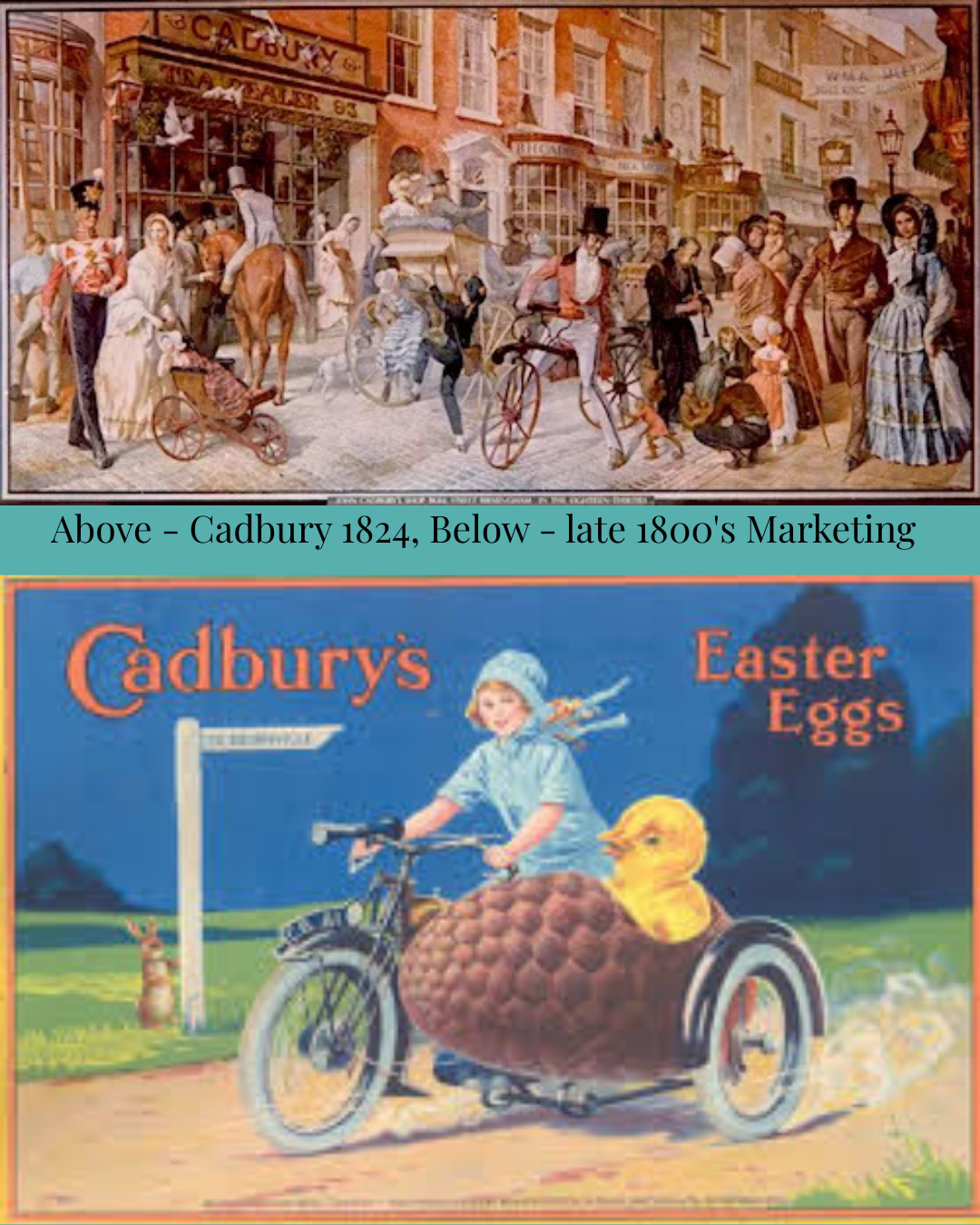
The rise of chocolate Easter eggs was closely connected to major technological changes during the Victorian era.
Advances in chocolate production included:
• improved cocoa processing
• smoother chocolate textures
• improved moulding techniques
• industrial-scale manufacturing
These developments made chocolate eggs easier to produce and gradually more affordable for the public. By the late nineteenth century, chocolate eggs had become a popular Easter gift across Britain.
As discussed in last week’s post, Easter celebrations once centred around toys, keepsakes, and decorated eggs rather than confectionery. Over time, chocolate eggs gradually replaced these earlier traditions. By the early twentieth century, they had become the dominant Easter gift we recognise today. If you’dlike to explore how Easter baskets once included miniature toys, wind-upchicks, and decorative keepsakes, you can read our previous blog here:
www.mydollcottage.com.au/post/easter-toys-before-chocolate-eggs
With love
Shyloh
Tales from the youngest daughter of adoll collector — raised on Milo, Vegemite, and more antiques than a country opshop.