
One of the most common questions we receive at My Doll Cottage is:
“What are my dolls worth?”
It’s a fair question — and often not a simple one to answer.
Many artefacts come to us with history, memories, and emotional value attached. But when it comes to market value, there are a few key things to understand before you begin.
First — Value Is Not Fixed
Unlikeretail items, dolls and toys do not have a set price.
Their value is determined by:
• What someone is willing to pay today
• Condition
• Rarity
• Maker or brand
• Original clothing and completeness
Two identical dolls can sell for very different prices depending on these factors.
Step 1 — Identify What You Have
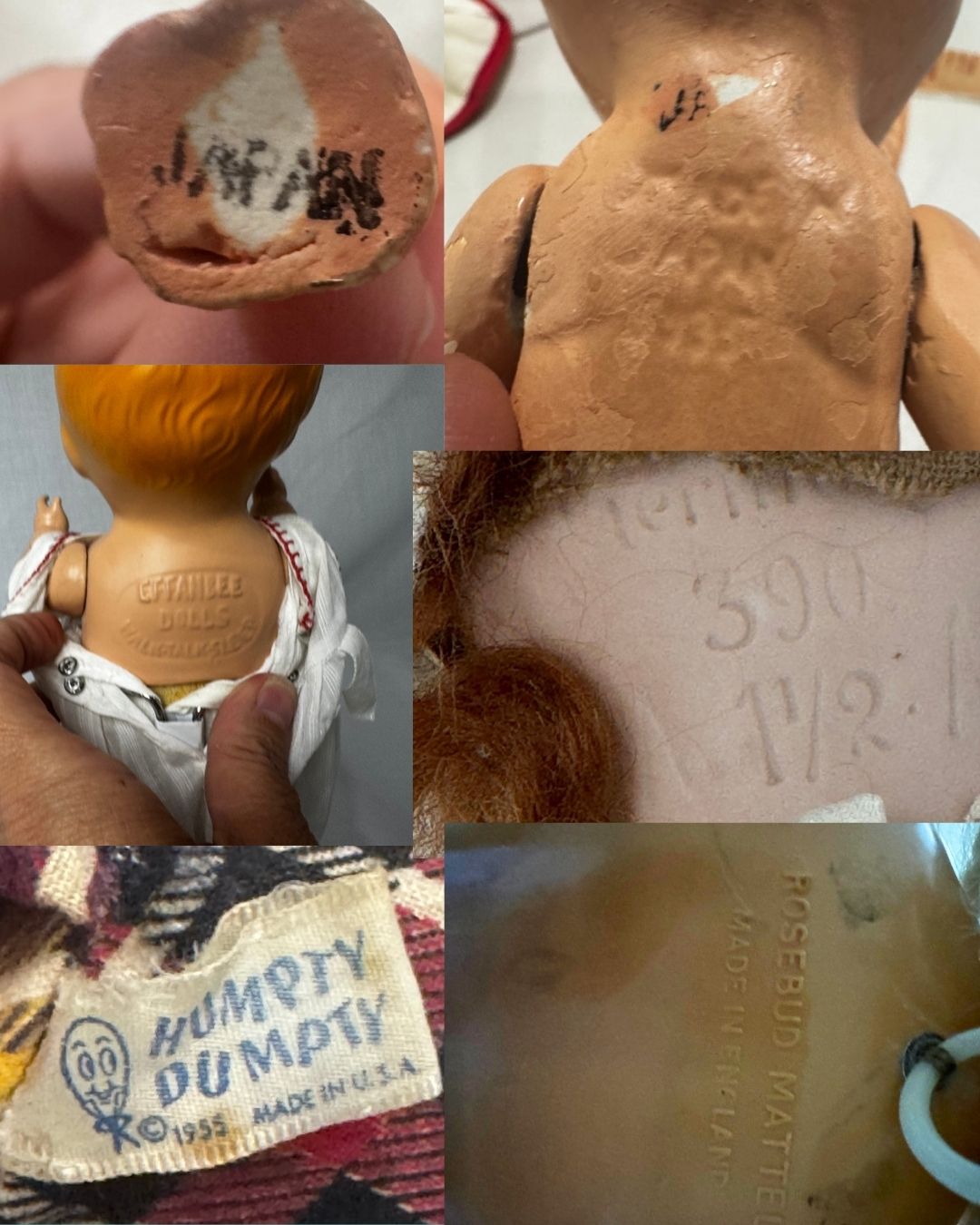
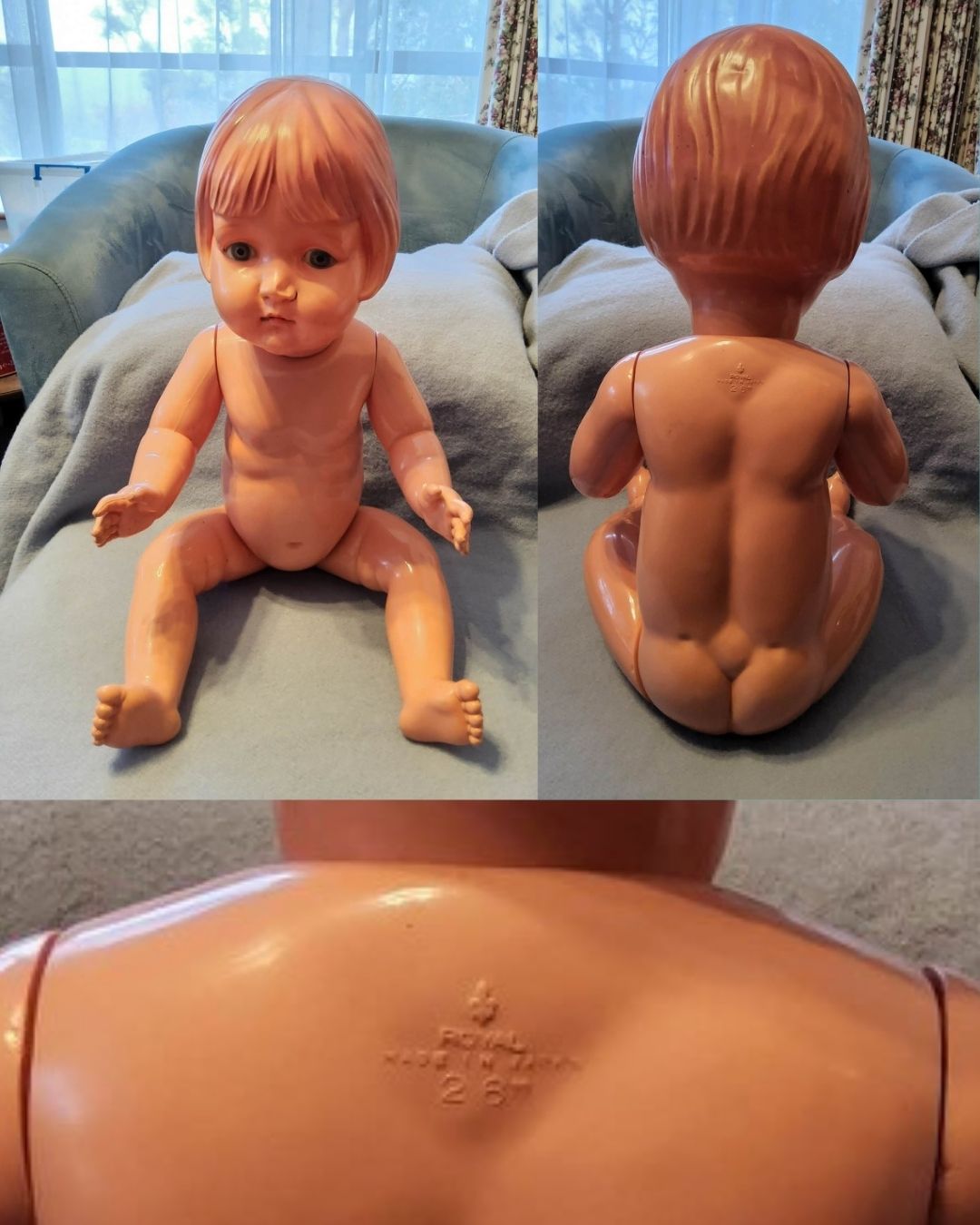
Start by looking for any identifying marks.
Common places to check:
• Back of the neck (often under the hairline)
• Between the shoulder blades
• Soles of the feet
• Inside clothing tags
Take clear photos of these markings — they are often the key to identifying the maker and age and getting the best price if you decide to sell.
Step 2 — Use Image Search
A simple and effective starting point is using Google Lens (or similar tools).
Take a clear photo of the doll and search:
• Look for similar items
• Compare condition
• Check if clothing matches
This helps narrow down what you’re looking at, but it’s only the first step.
Bonus tip: Google Lens only allows one image at a time and can struggle with certain dolls when there is little history in search engines. You can also use AI tools (such as ChatGPT) where you can upload multiple images and refine identification through conversation.
Step 3 — Check Sold Listings (Not Asking Prices)
This is where many people go wrong.
The easiest platform to start with is eBay.
Anyone can list an item for any price — it doesn’t mean it will sell.
Instead:
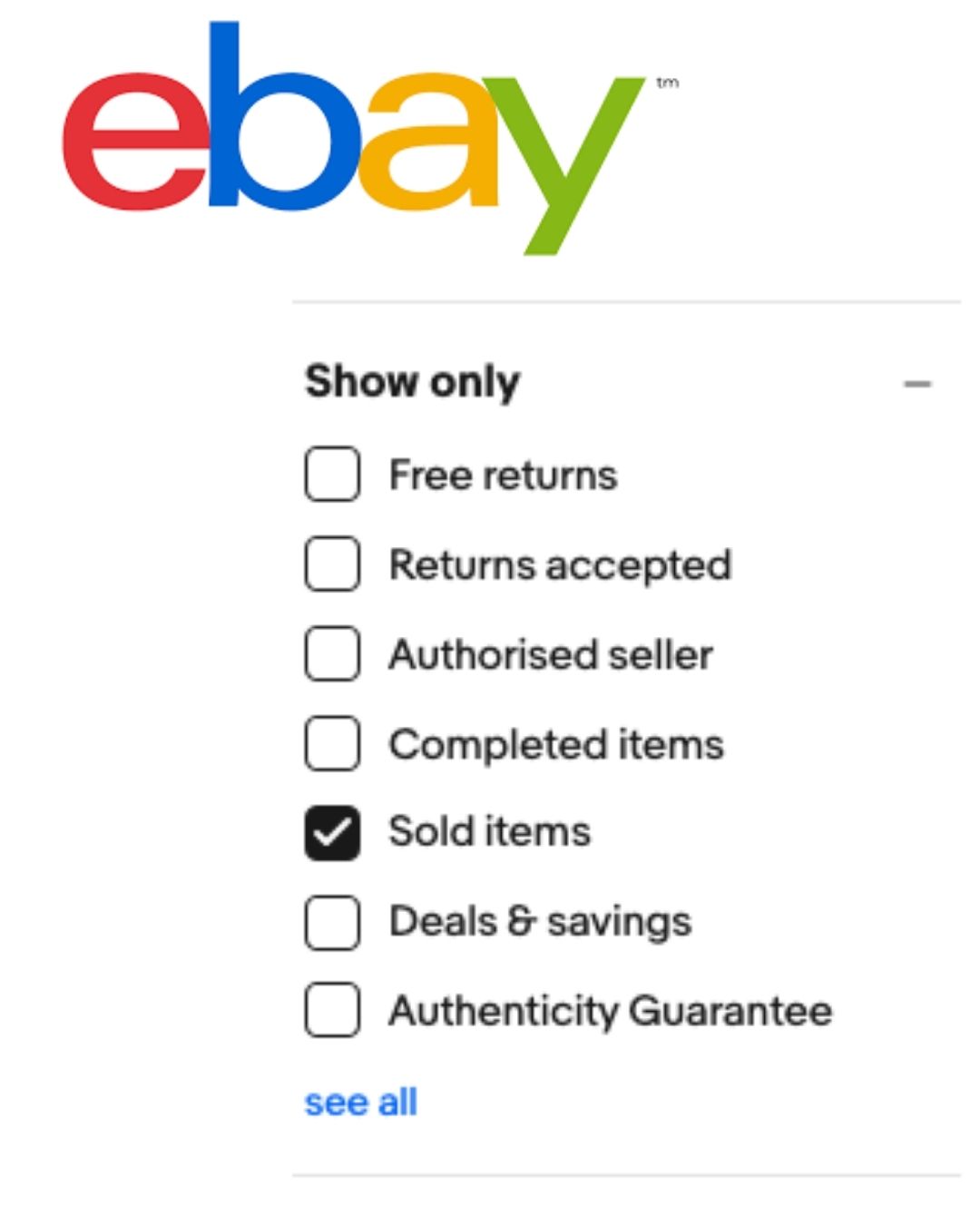
• Search eBay
• Filter by “Sold Items” and date
• Compare similar dolls in similar condition
This gives you a realistic view of current market value.
Step 4 — Be Honest About Condition
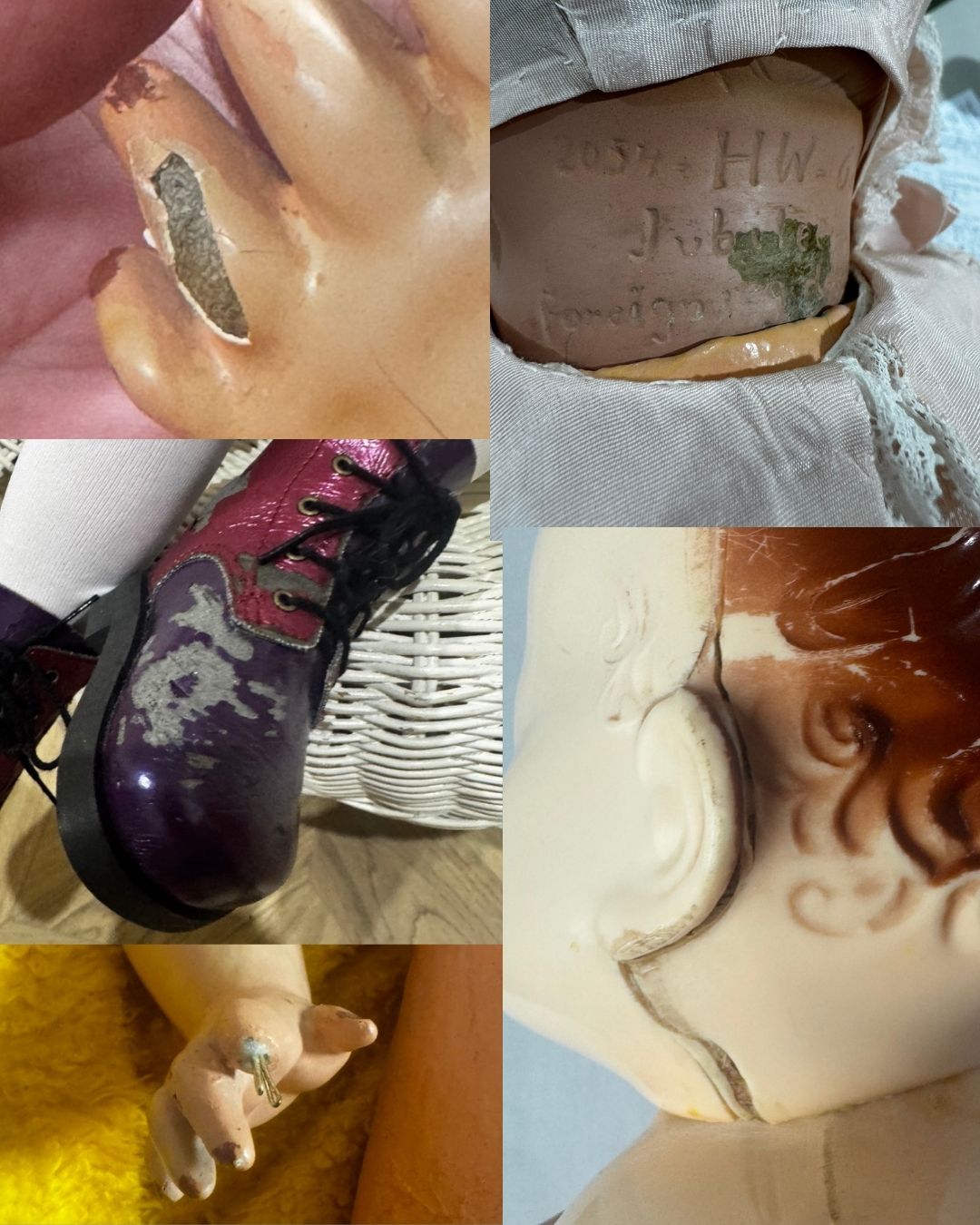
Condition has a major impact on value.
If you are selling a large collection, consistency matters — negative reviews can affect future sales.
Things that affect price include:
• Cracks, chips or repairs
• Missing fingers or toes, eyelashes or broken eyes
• Worn or replaced clothing
• Fading, staining or odours
• Level of cleanliness
Not all materials can be safely cleaned, and some require specialist care.
Older dolls (especially pre-1940s) can be delicate, and restoration may require a professional.
Step 5 — To Clean or Not to Clean
Many collectibles have been displayed openly, handled over time, or stored in sheds or garages.
Before selling, decide:
• Will you clean the item yourself?
• Or sell it as-is?
Cleaning can improve presentation and value — but incorrect cleaning can cause permanent damage.
In some cases, collectors prefer items in original, untouched condition.
How the item is presented will directly impact price.
Step 6 — Where to Sell or Rehome
Different options suit different collections.
eBay -
Best for:
• Identified items
• Individual pieces
• Reaching a wide market
Facebook Collector Groups -
Best for:
• Quick sales
• Connecting with knowledgeable collectors
• No fees
Auction Houses or Antique Dealers
Best for:
• Rare or high-value items
• Larger collections
It can be worth looking beyond your local area — some international markets may have stronger demand depending on the item.
Also consider postage and packaging carefully to avoid damage and unexpected costs.
Collectors Clubs
Best for:
• Advice
• Networking
• Rehoming within the collecting community
Step 7 — When Donation May Be the Right Option
Some collections are not suited to resale, particularly if:
• Condition is poor
• Items are common
• The time required to sell outweighs the return
In these cases, donation or rehoming through collectors can be a meaningful alternative.
Many hobby collectors may not have the budget to purchase extensively but will care for items deeply and preserve them as much as the current owner.
A Note on Valuations
My Doll Cottage is not a registered valuation service, and we do not provide formal appraisals.
What we can do, where possible, is:
• Help identify items
• Suggest where to research value
• Point you toward appropriate selling or collecting channels
Final Thoughts
Every collection is different.
Some pieces may hold significant monetary value, while others are valuable in a different way — as part of a story, a nation’s history, a childhood, or a moment in time.
Taking the time to photograph, research, and understand what you have will always give you the best outcome, whether you choose to sell, donate, or keep your collection.
If you would like a printable version of this guide, feel free to contact us and we can send one through.
With love
Shyloh
Tales from the youngest daughter of a doll collector — raised on Milo, Vegemite, and more antiques than a country op shop.