Like many beloved traditions, her story is a mixture of folklore, history and legend.
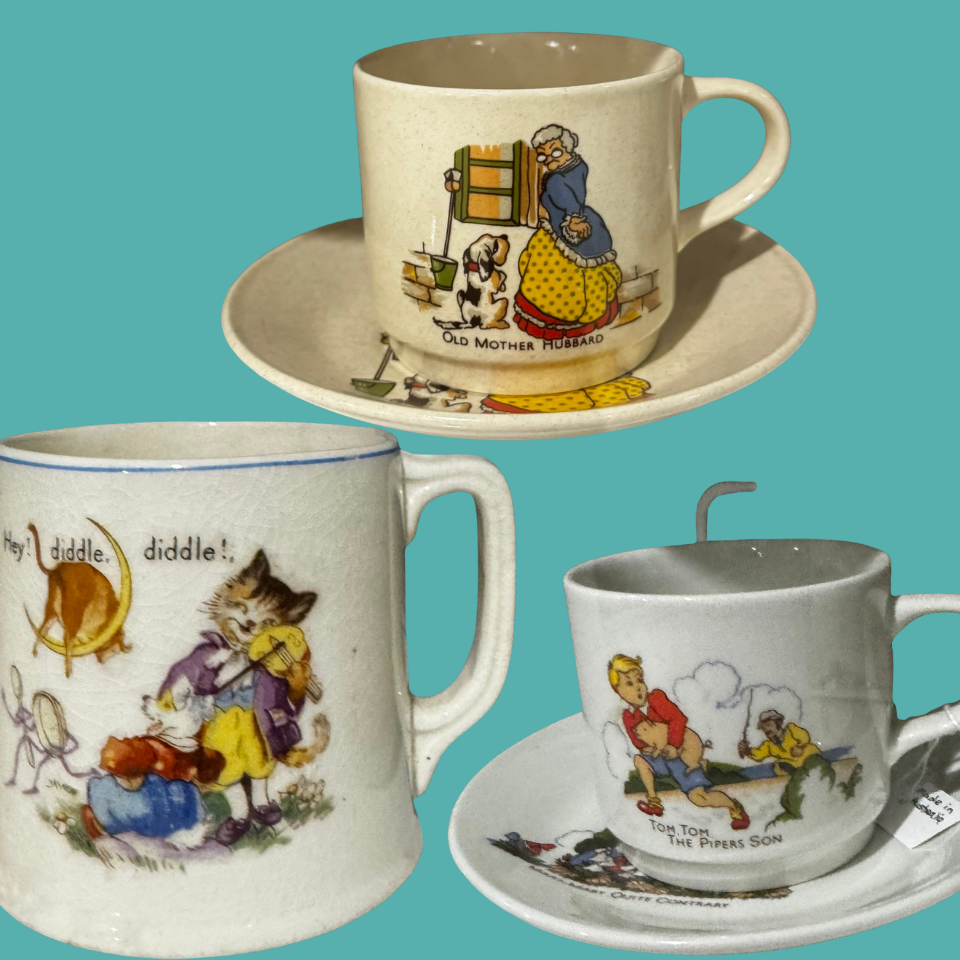
Today, Mother Goose is best known for nursery rhymes such as Humpty Dumpty, Jack and Jill, Little Bo-Peep and Hey Diddle Diddle. These verses have been recited by parents and grandparents for centuries, helping children develop language, rhythm and memory long before they were able to read for themselves.
However, the original Mother Goose was not simply connected with nursery rhymes. She was imagined as the wise storyteller who passed traditional tales from one generation to the next, preserving stories long before they were written down.
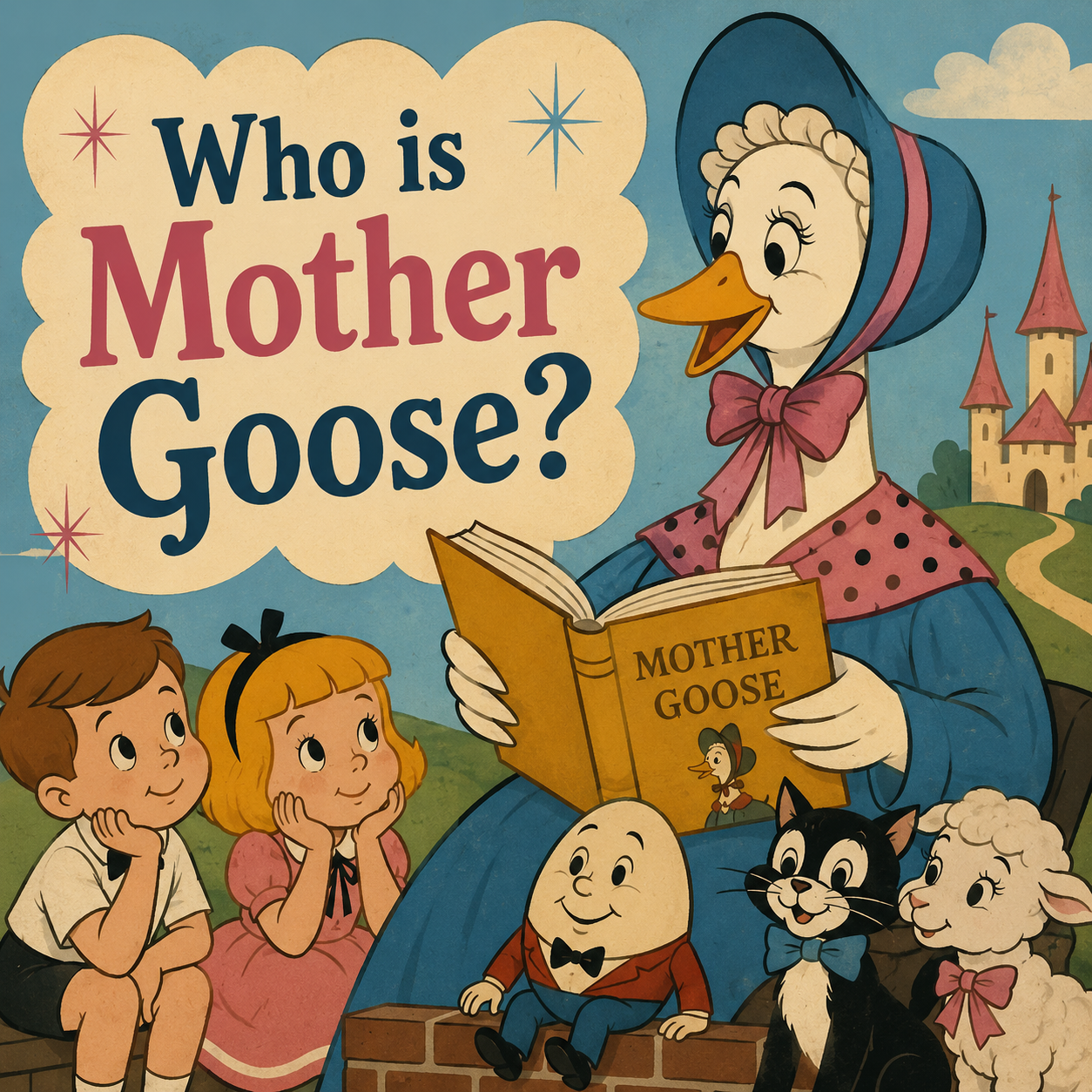
The exact origins of Mother Goose have been debated for centuries, with France, Germany and the United States all contributing their own traditions.
The strongest historical evidence points to France during the late seventeenth century. In 1697, French author Charles Perrault published Histoires ou Contes du Temps Passé, subtitled Contes de ma Mère l'Oye ("Tales of Mother Goose"). This collection included stories that are still loved today, including Cinderella, Sleeping Beauty, Little Red Riding Hood, Puss in Boots and Bluebeard.
.jpg)
Rather than describing a real woman, Mother Goose represented the traditional grandmother figure who shared stories, wisdom and folklore with children.
Over time, English publishers adopted the name, and during the eighteenth century Mother Goose became increasingly associated with collections of nursery rhymes rather than fairy tales. As these books spread throughout Britain and later America, Mother Goose became firmly established as the storyteller generations of children would grow up knowing.
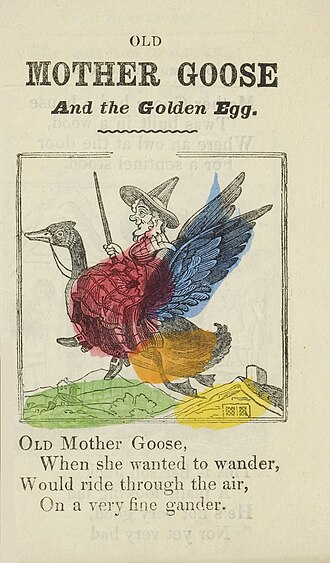
Several fascinating legends have tried to explain who Mother Goose really was.
One popular American story claims she was based on Elizabeth Goose of Boston, who supposedly entertained her grandchildren with stories that were later published. While this tale has become part of American folklore, historians have never found evidence that such a book actually existed.
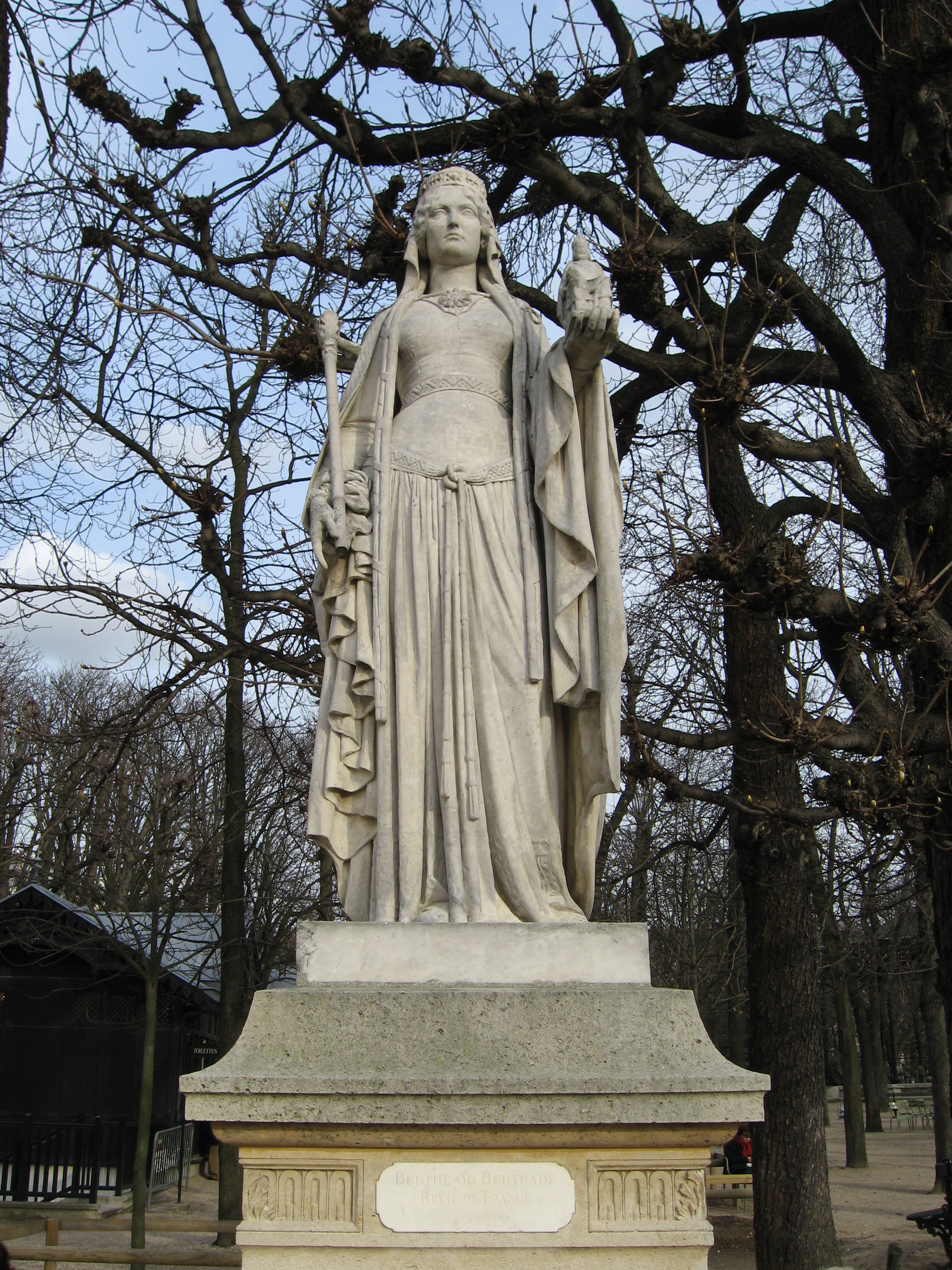
Another theory traces the image of Mother Goose to medieval Europe, where elderly women associated with geese appeared in folklore and art. Some historians even point to Bertrada of Laon—mother of Charlemagne—who was nicknamed "Goose-foot Bertha". Although these stories are interesting, none have been directly linked to the literary Mother Goose.
Today, most historians agree that the earliest documented evidence remains the French publication of 1697.
As printing became more affordable during the eighteenth and nineteenth centuries, Mother Goose books became a staple of childhood. Beautifully illustrated editions appeared across Europe and North America, introducing millions of children to classic rhymes and fairy tales.
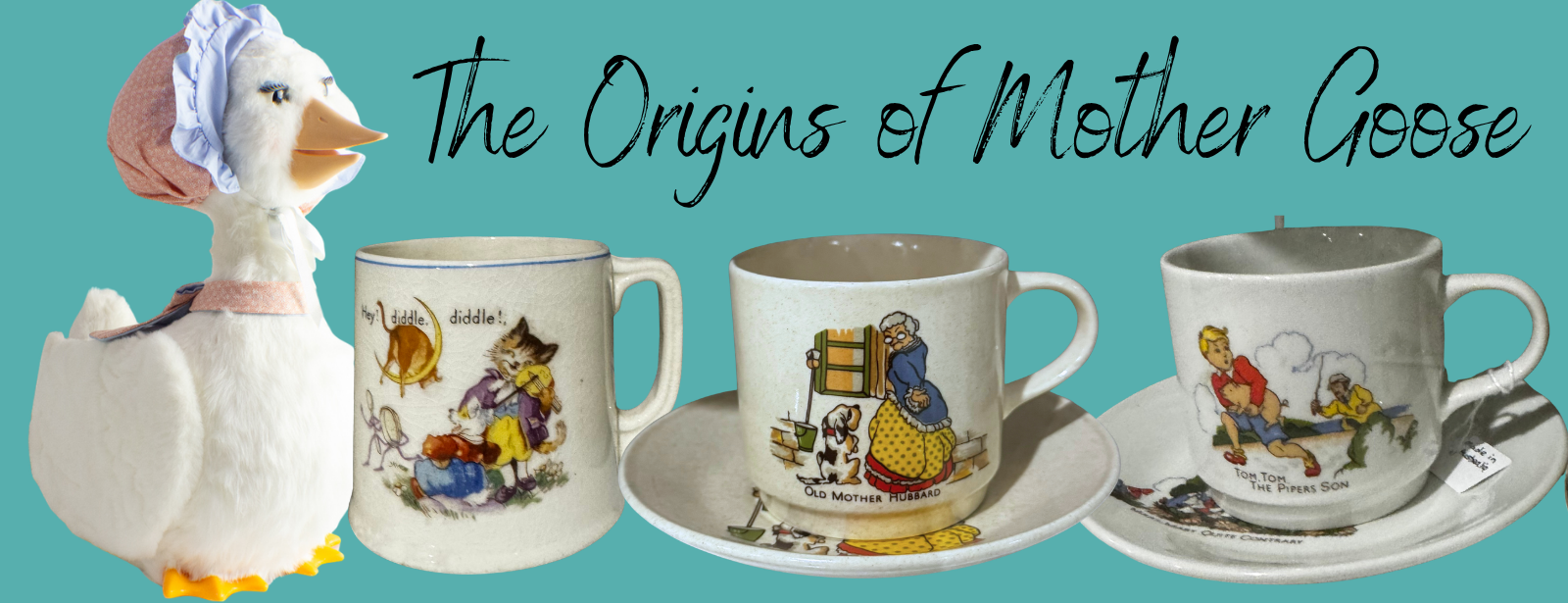
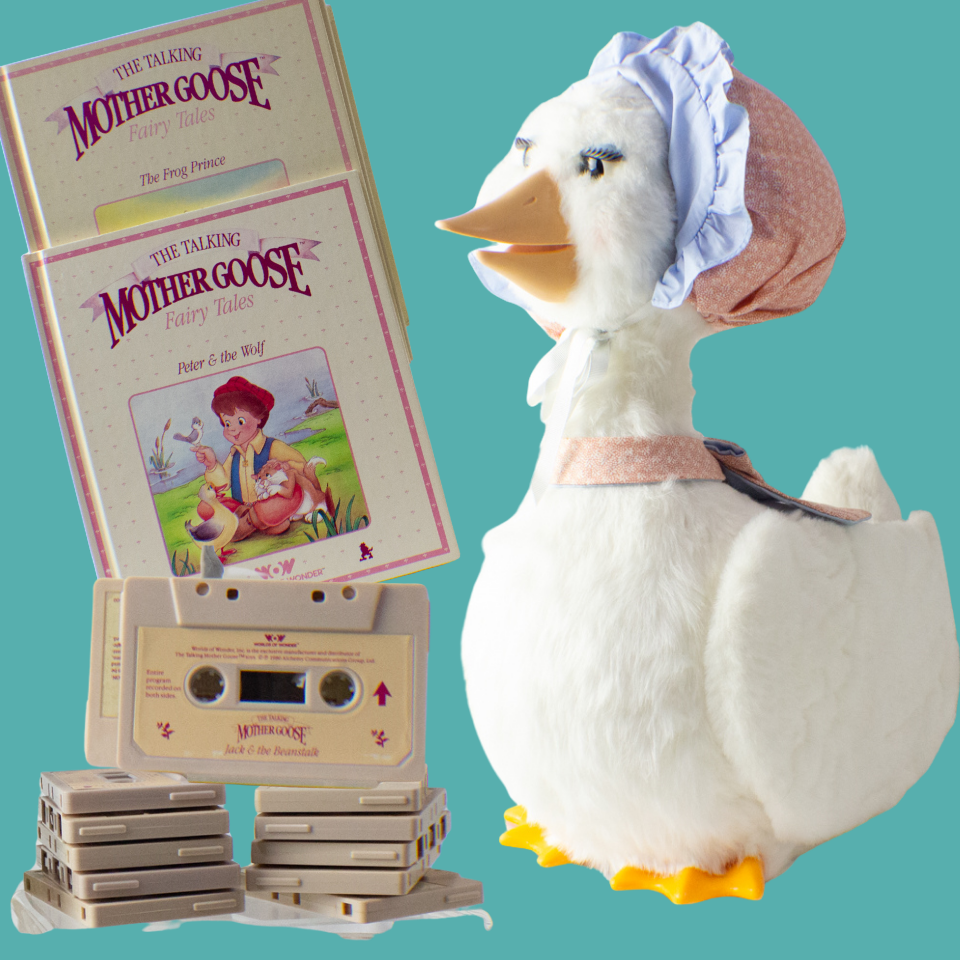
The character continued to evolve throughout the twentieth century. She appeared in films, stage productions, television programmes, greeting cards and toys. In 1986, toy company Worlds of Wonder introduced an animatronic Mother Goose that blinked, moved her beak and read nursery rhymes aloud, bringing the centuries-old storyteller into the electronic age.
It is this charming version that forms part of our collection at My Doll Cottage, reminding visitors how traditional storytelling continued to inspire new generations through changing technology.
Few fictional characters have influenced childhood as profoundly as Mother Goose. For more than three hundred years she has represented imagination, learning and the simple joy of sharing stories alo
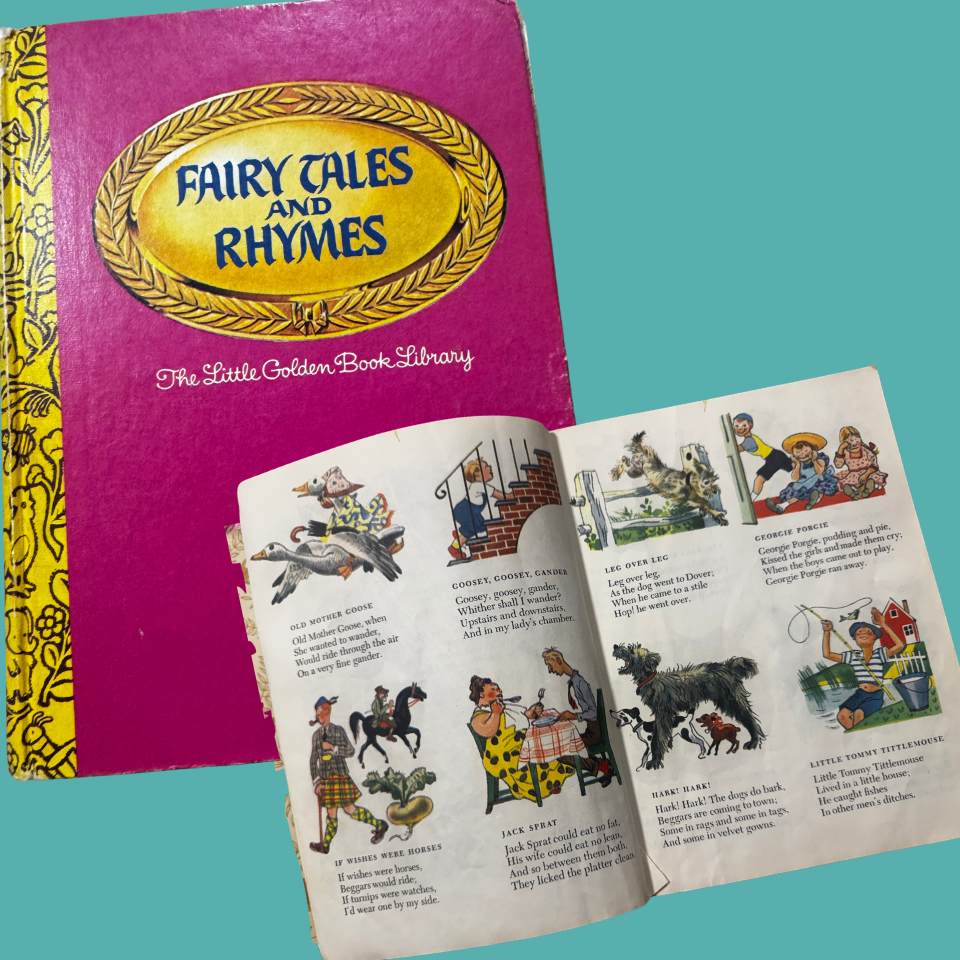
Whether through a beautifully illustrated book, a favourite nursery rhyme, or a talking toy sitting beside a child's bed, Mother Goose has remained a comforting presence across generations. The book above is part of my own personal collection. Books can be read for generations and you can't been the old classics. I am lucky to be able read some of my favourties with my own children and future grandchildren.
While historians may continue to debate every detail of her origins, her lasting legacy is undeniable. She reminds us that stories have always been one of the most powerful ways we pass knowledge, traditions and memories from one generation to the next.
With love
Shyloh
Tales from the youngest daughter of a doll collector — raised on Milo, Vegemite, and more antiques than a country op shop.