
Last Friday, for Fun Fact Friday, we gave you a quick glimpse into the origins of Santa’s workshop. Today, let’s step right back into the 1800s to discover where the idea truly began — and how one artist’s imagination helped change Christmas forever.
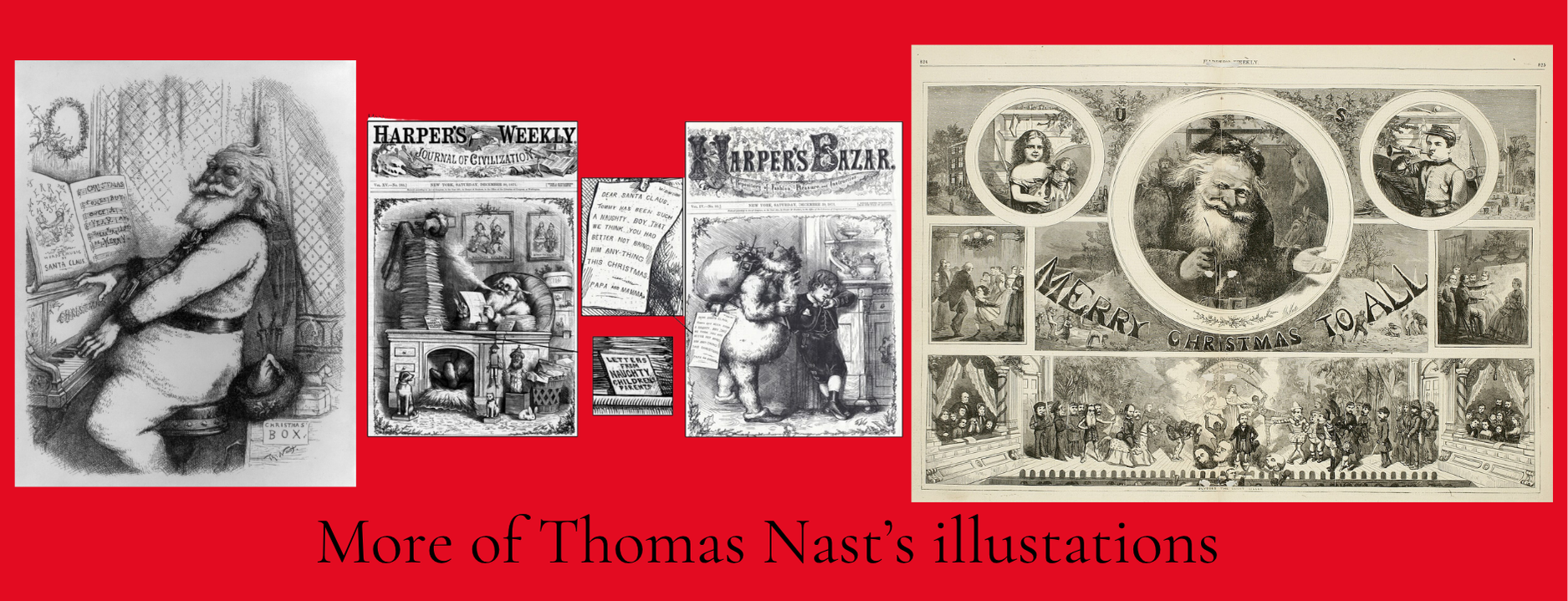
The familiar picture of Santa surrounded by toys and busy little helpers didn’t come from an old folktale. It came from the mind of Thomas Nast, a German-born illustrator working for Harper’s Weekly between 1860 and 1880. Nast’s drawings shaped the Santa we know today — the jolly round figure in a red suit, kind eyes, and a beard dusted with snow.
In 1866, Nast published a detailed double-page spread titled Santa Claus and His Works. It showed Santa reading children’s letters, carving toys, and filling stockings — the very first printed depiction of a “workshop.” Over the next decade, he continued building the story, eventually placing Santa in the North Pole so children everywhere could imagine his magical home above the snow.
What made Nast’s images so powerful is how well they matched real Victorian toy-making. In Europe, family-run doll workshops like Jumeau in France and Kestner in Germany handcrafted treasures with porcelain faces, silk dresses, and glass eyes that sparkled in candlelight. Much like Santa’s imagined elves, these artisans worked all year to create toys that would bring joy on Christmas morning.
We’re lucky enough to have one of these highly sought-after dolls in our own collection — a beautiful example from Kestner, known as the “King of Doll Makers.” Keep an eye out; I’m hoping to share her story in a blog next month.
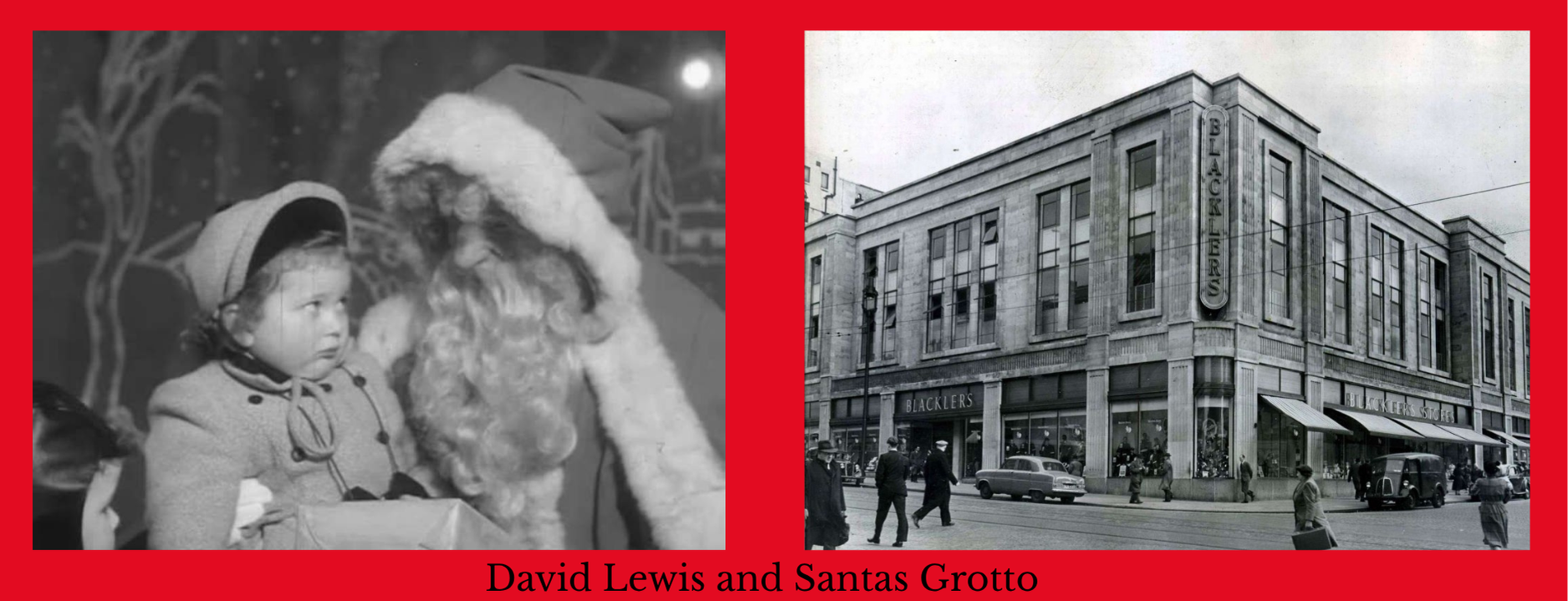
The next major shift in how we experience Christmas came from a clever piece of marketing. In 1879, Liverpool department-store owner David Lewis brought Nast’s drawings to life with the world’s first Santa’s Grotto. Children could wander through snowy scenes, twinkling lights, and toy displays before meeting Father Christmas himself.
From the stroke of an artist’s pencil to the hearts of millions, the story of Santa’s workshop reminds us that imagination, once shared, can create magic that lasts for generations.
And truly — who doesn’t have memories of lining up to see Santa? The excitement on the kids’ faces, the nervous ones hiding behind Mum’s skirt, and the occasional tears. I still remember being completely in awe as a child. Every year our family would get our Christmas photo with Santa, and when I became a mum, I carried on the tradition. Both girls loved it right up until high school… and I’m fairly certain that final year only happened thanks to a little bribery.
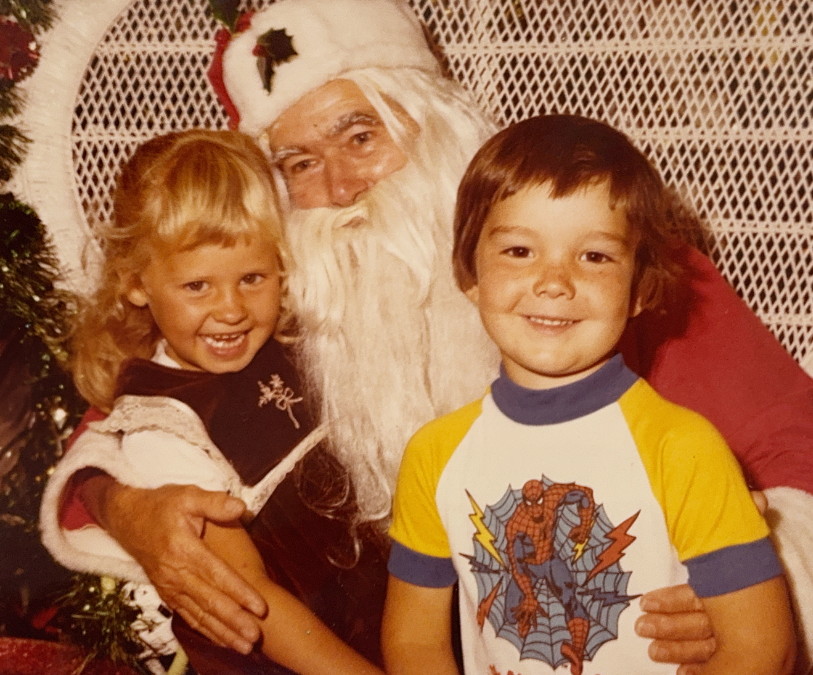
Imagine Christmas without those scrapbook photos with Santa, without movies full of mischievous elves and North Pole adventures — and without the now much-loved elf on the shelf turning up in homes everywhere. It’s hard to picture, isn’t it?
All of it — the grotto, the toys, the stories, the magic — traces back to one artist who dared to imagine something more.
With love
Shyloh
Tales from the youngest daughter of adoll collector — raised on Milo, Vegemite, and more antiques than a country opshop.
🎄 Discover more toy stories and fascinating finds each Friday at My Doll Cottage — where every piece tells a story.