While millions remember watching The Sooty Show on television, many also remember owning a Sooty puppet, reading Sooty storybooks or inventing adventures of their own long after the television had been switched off. These toys and books helped transform Sooty from a television character into a lasting part of childhood.
Today, they also help tell the story of how one small puppet became one of Britain's most enduring children's icons.
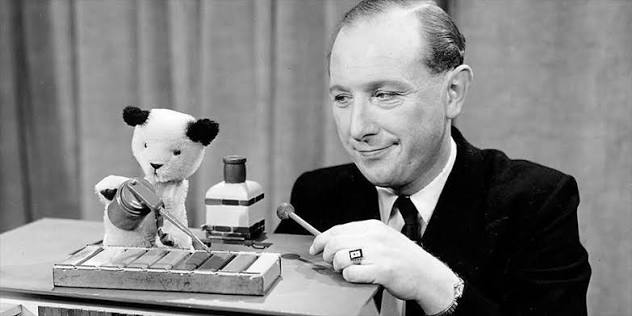
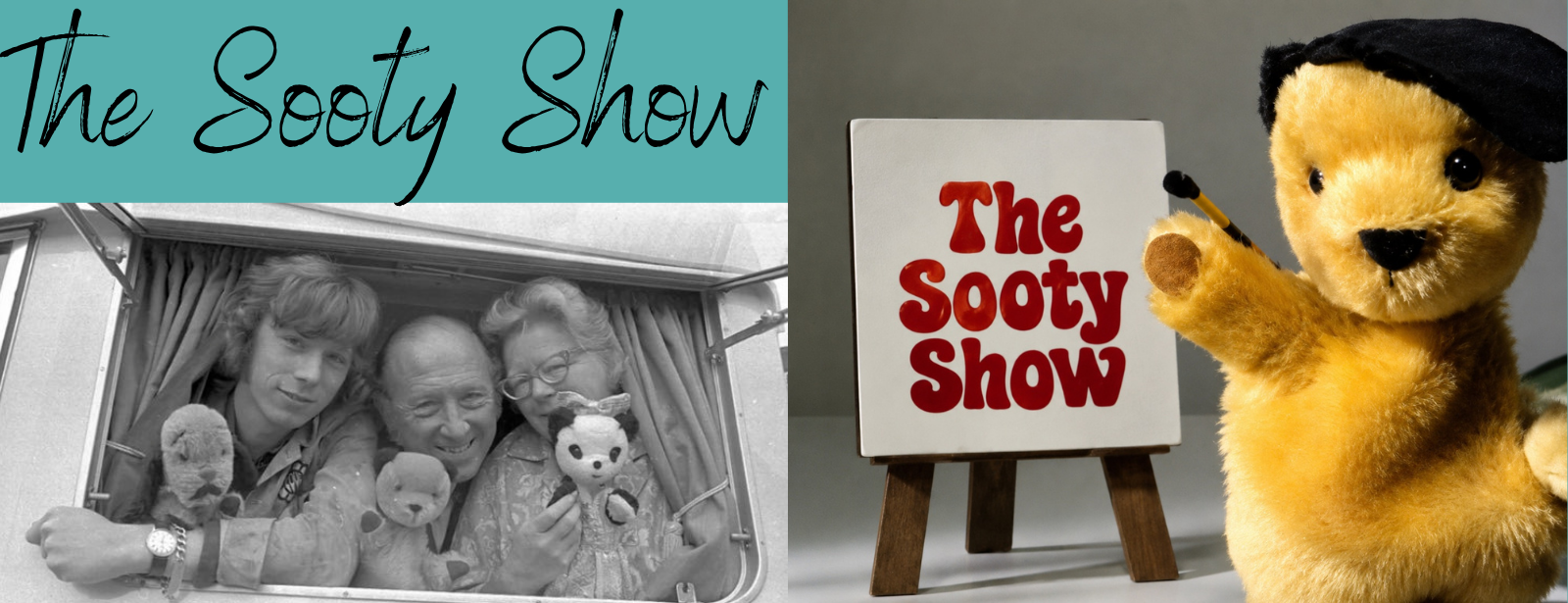
Sooty's story began in 1948 when magician Harry Corbett purchased a small yellow teddy bear from a souvenir stall on Blackpool's North Pier. To make the puppet stand out on early black-and-white television, Corbett added Sooty's distinctive black ears and eyebrows.
Originally part of Harry's magic act, Sooty soon proved to be far more than a simple puppet.
In 1952, Sooty made his BBC television debut. Unlike most television characters, Sooty never spoke aloud. Instead, he whispered into Harry Corbett's ear, leaving audiences to imagine his cheeky comments and mischievous plans. Combined with gentle humour and simple magic tricks, the format became an instant success.
Over the following years, Sooty's world expanded with the arrival of his friends Sweep, the energetic dog with his famous squeak, Soo, the sensible panda, and later Scampi, creating one of Britain's best-loved puppet families.
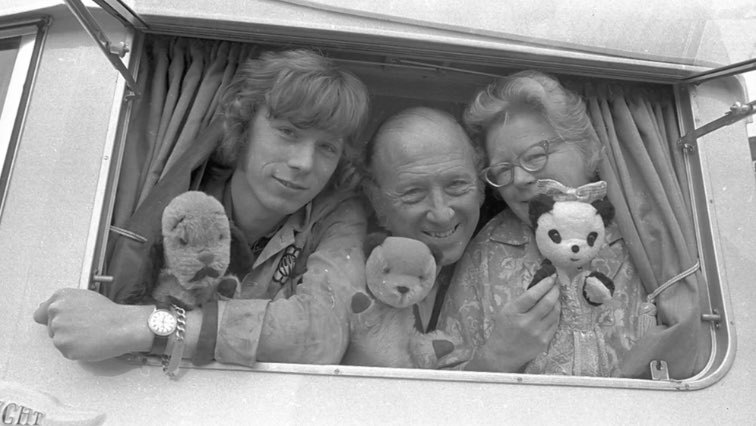
One of the remarkable aspects of Sooty's history is the continuity of its presentation.
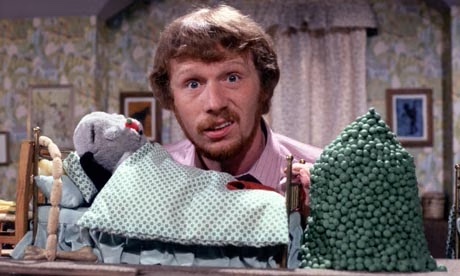
When Harry Corbett retired in 1975, the programme passed to his son Matthew Corbett, who had grown up performing alongside his father. Matthew preserved the warmth, humour and gentle storytelling that audiences had come to love while introducing Sooty to a new generation of children.
In 2008, entertainer Richard Cadell acquired the rights to the Sooty characters and continues to present the programme today, ensuring that the little yellow bear remains part of British childhood more than seven decades after his creation.
Few children's characters can claim such a continuous history under dedicated custodians.
As Sooty's popularity grew, so did the demand for merchandise.
Children wanted more than a weekly television programme—they wanted to bring Sooty home.
Official books, hand puppets, soft toys, games, annuals and other licensed products appeared in shops throughout Britain, allowing children to continue Sooty's adventures through imaginative play and reading.
Producing this merchandise required specialist publishers, manufacturers and licensing companies working alongside the owners of the Sooty brand.
One company whose name frequently appears on official Sooty puppets from the 1980s and 1990s is Patsy B. Marketing Ltd.
Rather than creating Sooty, Patsy B. Marketing Ltd. was involved in the production and distribution of licensed merchandise during the Matthew Corbett era. Although little information about the company survives today, the labels attached to these toys provide valuable evidence of how official Sooty merchandise reached children's homes.
Like many licensing businesses, Patsy B. worked quietly behind the scenes. Children knew Sooty, not necessarily the companies that helped manufacture and distribute the products they treasured.
As with many successful children's characters, ownership of Sooty has changed over time while the character himself has remained remarkably familiar.
1948 – Harry Corbett purchases a small yellow teddy bear and creates Sooty.
1952 – Sooty makes his BBC television debut.
1975 – Matthew Corbett takes over presenting The Sooty Show.
1980s–1990s – Official Sooty books, puppets and merchandise are produced under licence by companies including Patsy B. Marketing Ltd.
1996 – Matthew Corbett sells the rights to the Sooty franchise.
1999–2008 – Ownership passes through corporate entertainment companies, including Gullane Entertainment and HIT Entertainment.
2008 – Richard Cadell acquires the rights to Sooty and continues the programme under Cadells Ltd.
Despite these changes, Sooty's personality, humour and gentle magic have remained remarkably consistent.
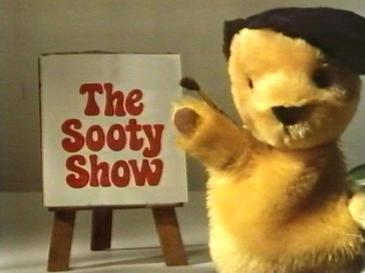
Sooty Episodes are availabe to watch on You Tube. here
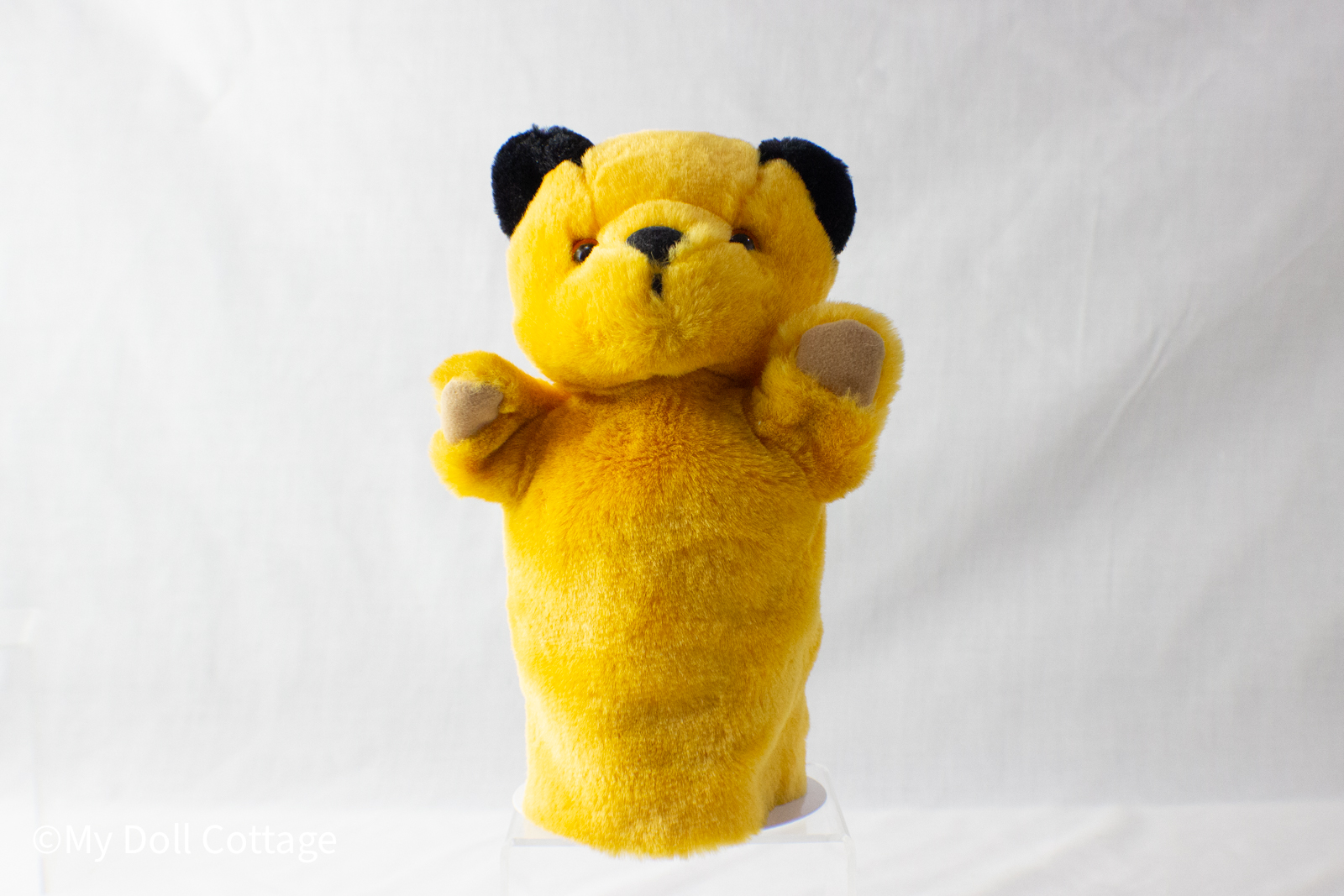
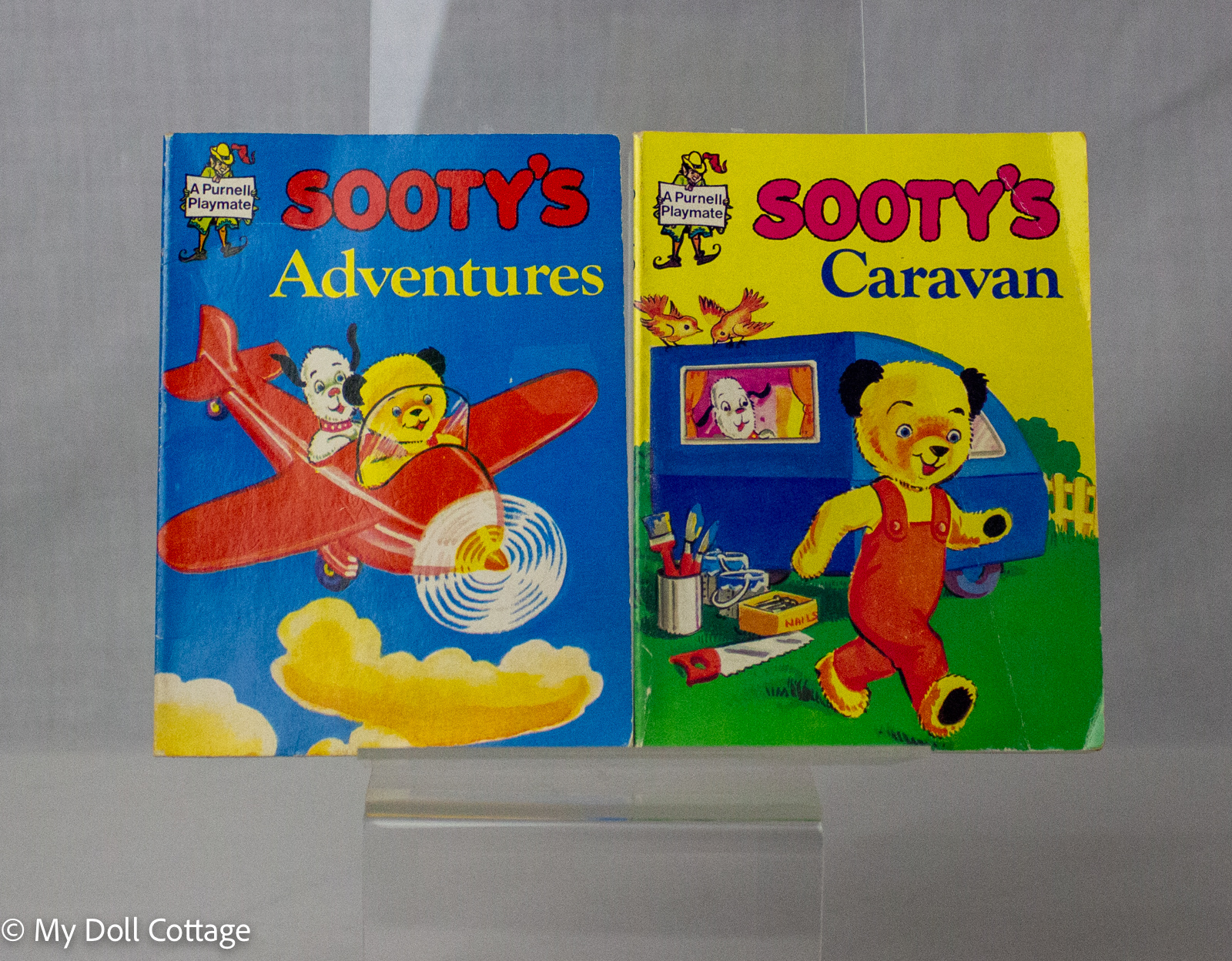
The My Doll Cottage Museum collection includes a licensed Sooty hand puppet together with two 1982 Purnell Playmates storybooks, Sooty's Adventures and Sooty's Caravan.
These objects date from the Matthew Corbett era and demonstrate how Sooty successfully crossed from television into children's everyday lives. Storybooks encouraged reading, while puppets inspired imaginative play, allowing children to create adventures of their own long after each television episode had ended.
Together, they provide a wonderful snapshot of how licensed merchandise helped keep beloved television characters alive beyond the screen.
One of the most valuable parts of any collectable is often the detail that is easiest to overlook.
A small manufacturer's label, a publisher's imprint or a licensing statement can reveal when an object was made, who produced it and which period of a character's history it belongs to.
For museums and collectors, these details help preserve not only the objects themselves but also the businesses that helped bring them into children's homes.
While some names, such as Harry Corbett and Matthew Corbett, are well documented, smaller companies like Patsy B. Marketing Ltd. survive largely through the labels attached to the toys they helped produce.