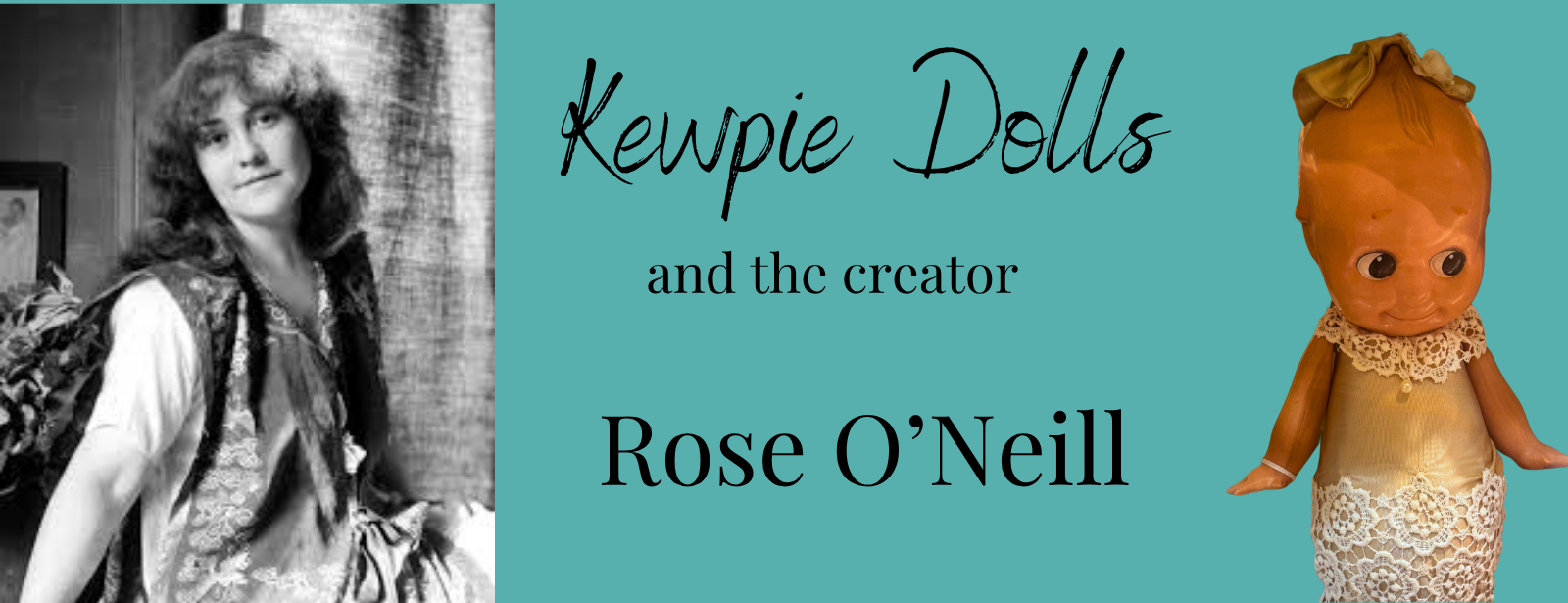
At a time when women rarely held financial or creative power, Rose O’Neill built an international brand from her own imagination — and retained control over it.
Born in 1874 in Pennsylvania and raised across Missouri and Nebraska, Rose O’Neill showed remarkable artistic talent from childhood. By her teenage years, she was already selling illustrations professionally, supporting both herself and her family.
In the late 1890s and early 1900s, her work appeared in leading American publications including Ladies’ Home Journal, Harper’s, Good Housekeeping, and Puck magazine. Her illustrations were known for their soft line work, expressive figures, humour, and emotional warmth — often carrying deeper social messages beneath their whimsical surface.

The Birth of the Kewpie (1909)
In 1909, O’Neill introduced the Kewpie character to the world through Ladies’ Home Journal. Inspired by cherubic figures and the word Cupid, Kewpies were round-bellied, wide-eyed, childlike beings designed to represent kindness, empathy, and gentle mischief.
What set Kewpies apart was their emotional appeal. They were not just cute — they told stories. In illustrations, Kewpies comforted the sad, helped the vulnerable, and quietly poked fun at adult behaviour.
The public response was immediate and overwhelming.
From Illustration to Global Toy Icon
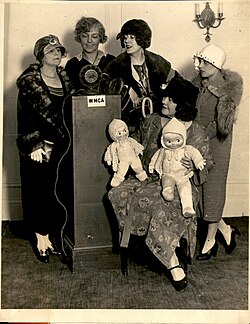
Kewpies quickly expanded beyond magazine pages into books, postcards, advertising, sheet music, and — most famously — dolls.
Unlike many artists of the time, Rose O’Neill retained strong creative and licensing control over her work. Early Kewpie dolls were produced in Germany in bisque and composition, with later production spreading to the United States and Japan.
Kewpie dolls appeared in many forms:
These dollsbecame some of the earliest examples of character-based mass merchandising,laying groundwork for the licensed toy industry as we know it today.

A Woman of Business and Influence
By the 1910s, Rose O’Neill was one of the highest-paid illustrators in America and a self-made millionaire — an extraordinary achievement for a woman of her era.
She used her success to:
Her financial autonomy allowed her to live life on her own terms, a theme that runs quietly through much of her work.
Suffrage, Social Commentary, and Advocacy
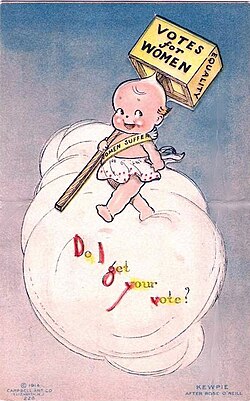
Along side her commercial success, O’Neill was a committed suffragist. She used illustration as a tool for political and social change, creating powerful visual arguments in support of women’s right to vote.
Her suffrage artwork blended symbolism with accessibility, helping bring complex ideas into the public conversation. Today, these works are recognised as important contributions to the visual history of the women’s rights movement in the United States.
Later Years and Legacy
Rose O’Neill continued creating art, writing, and sculpting throughout her life, though her health declined in the 1930s. She passed away in 1944, but her influence endured.
Today, she is recognised as:
Original Kewpie dolls, illustrations, and ephemera remain highly collectible and continue to captivate collectors worldwide.
With love
Shyloh
Tales from the youngest daughter of a doll collector — raised on Milo, Vegemite, and more antiques than a country op shop.