
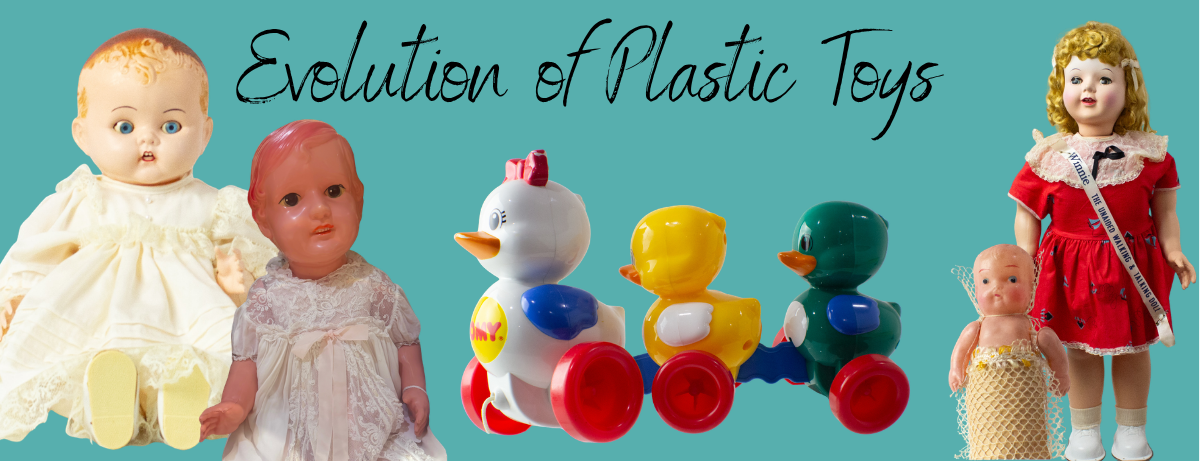
Walk through any toy museum and you'll notice something remarkable. A doll made around 1900 feels completely different from one made in 1950. A teddy bear has a warmth that early plastics could never achieve, while a modern vinyl baby doll can feel surprisingly life like.
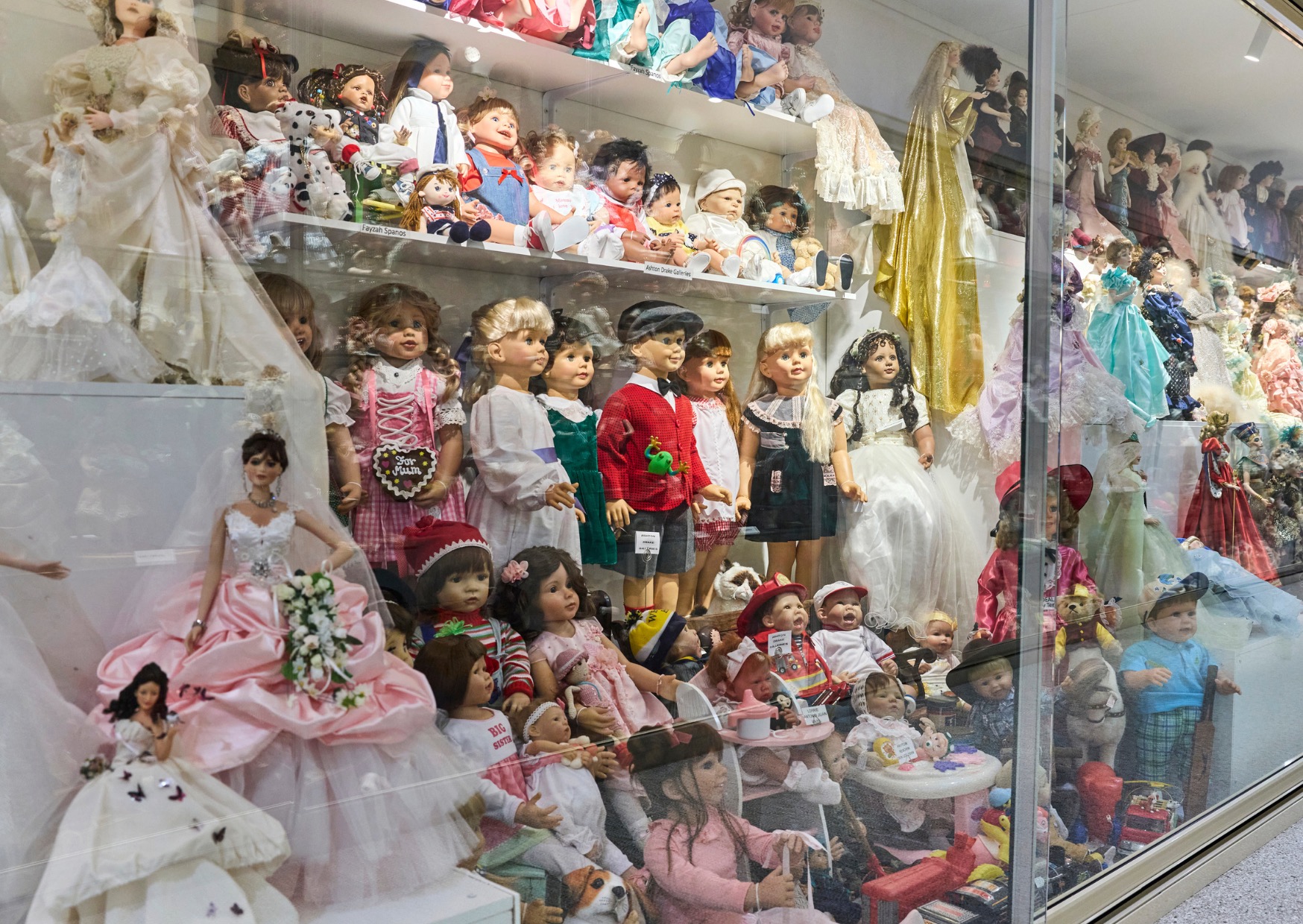
These differences are more than design choices—they reflect over a century of innovation in materials.
The development of plastics transformed the toy industry. Each new material offered manufacturers different possibilities, from lighter bodies and brighter colours to stronger joints, rooted hair and realistic facial features. At the same time, every material brought its own challenges. Some became brittle, others warped with age, while a few introduced conservation problems that museums and collectors continue to manage today.
Understanding these materials helps us do much more than identify an old toy. It helps us understand how manufacturing evolved, why certain dolls look the way they do, and how changing technology shaped childhood itself.
Before synthetic plastics became widely available, doll makers relied on natural and composite materials such as wood, wax, papier-mâché, composition, fabric and rubber.
These materials served generations of childrenwell, but each had limitations. They could be heavy, fragile, vulnerable to moisture or expensive to produce.
The search for something lighter, stronger andmore affordable led to one of the greatest revolutions in toy manufacturing.

Often regarded as the world's first commercially successful plastic, celluloid transformed doll making.
Made from nitro-cellulose and camphor, itallowed manufacturers to produce lightweight, affordable dolls and toys on ascale previously impossible.
Its greatest weakness was also its downfall—it was highly flammable and could warp or crack with age.
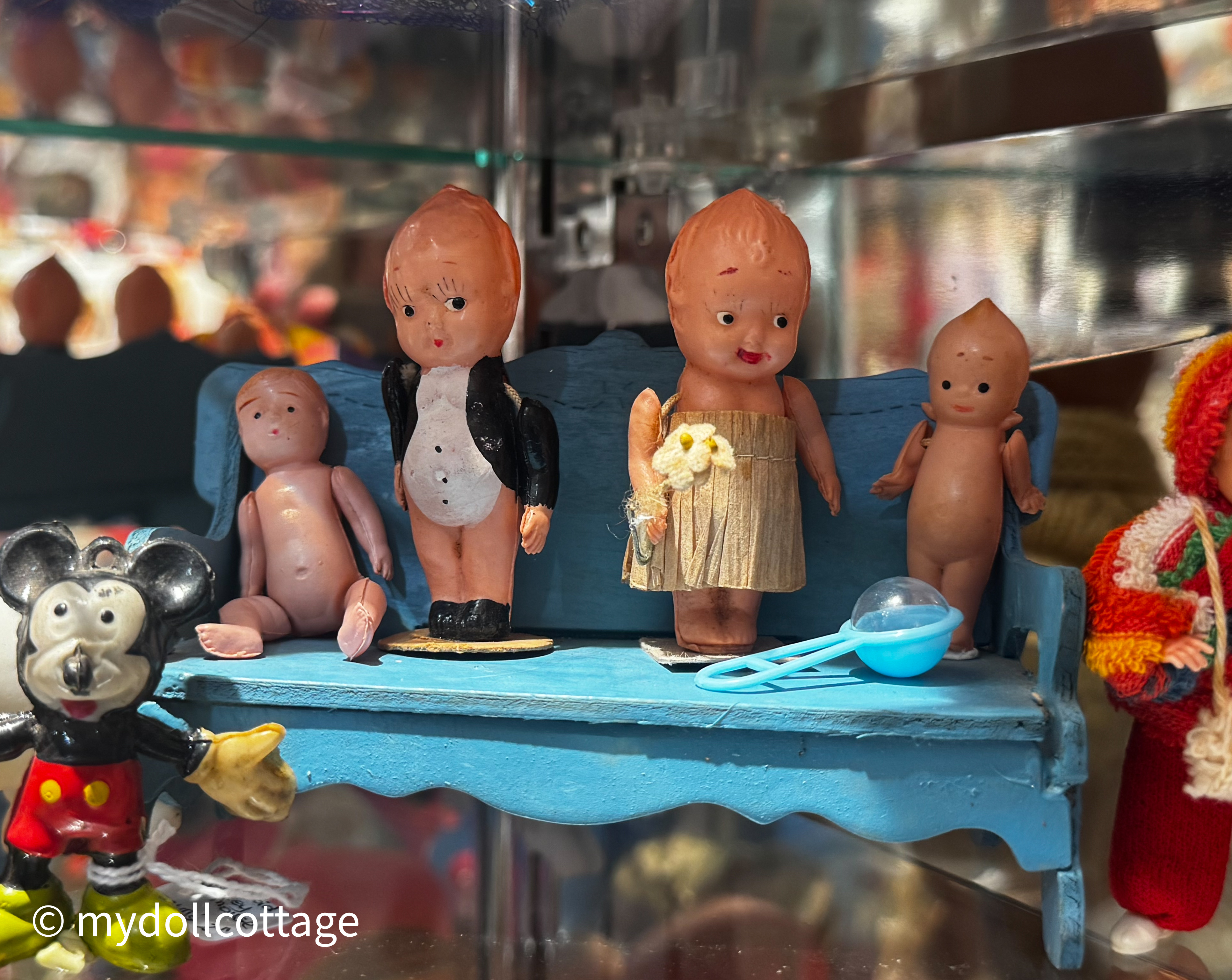
The invention of Bakelite in 1907 introduced acompletely new type of synthetic plastic.
Although too heavy and rigid for most dolls,it found its place in toy accessories, household items and games.
Catalin followed in the late 1920s, offering brighter colours and greater decorative possibilities.

Polystyrene allowed manufacturers to produce crisp facial details and durable moulded parts.
It became the material behind many hard plastic dolls, miniature figures, toy vehicles and household accessories during the mid-twentieth century.
While strong when new, ageing polystyrene often becomes brittle.

Few materials have influenced doll making asmuch as vinyl.
Its flexibility allowed manufacturers to create softer, more lifelike baby dolls with rooted hair, sleeping eyes and realistic expressions.
Vinyl remains one of the most widely used materials in doll production today, although collectors are increasingly aware of conservation issues such as plasticiser migration and "vinyl doll disease."

These light weight plastics helped make toys more affordable for everyday families.
From in expensive baby dolls and bath toys to doll prams and household play sets, polyethylene and polypropylene became part of millions of childhoods.
Although once considered disposable, many are now highly collectable because they capture the memories of everyday play.
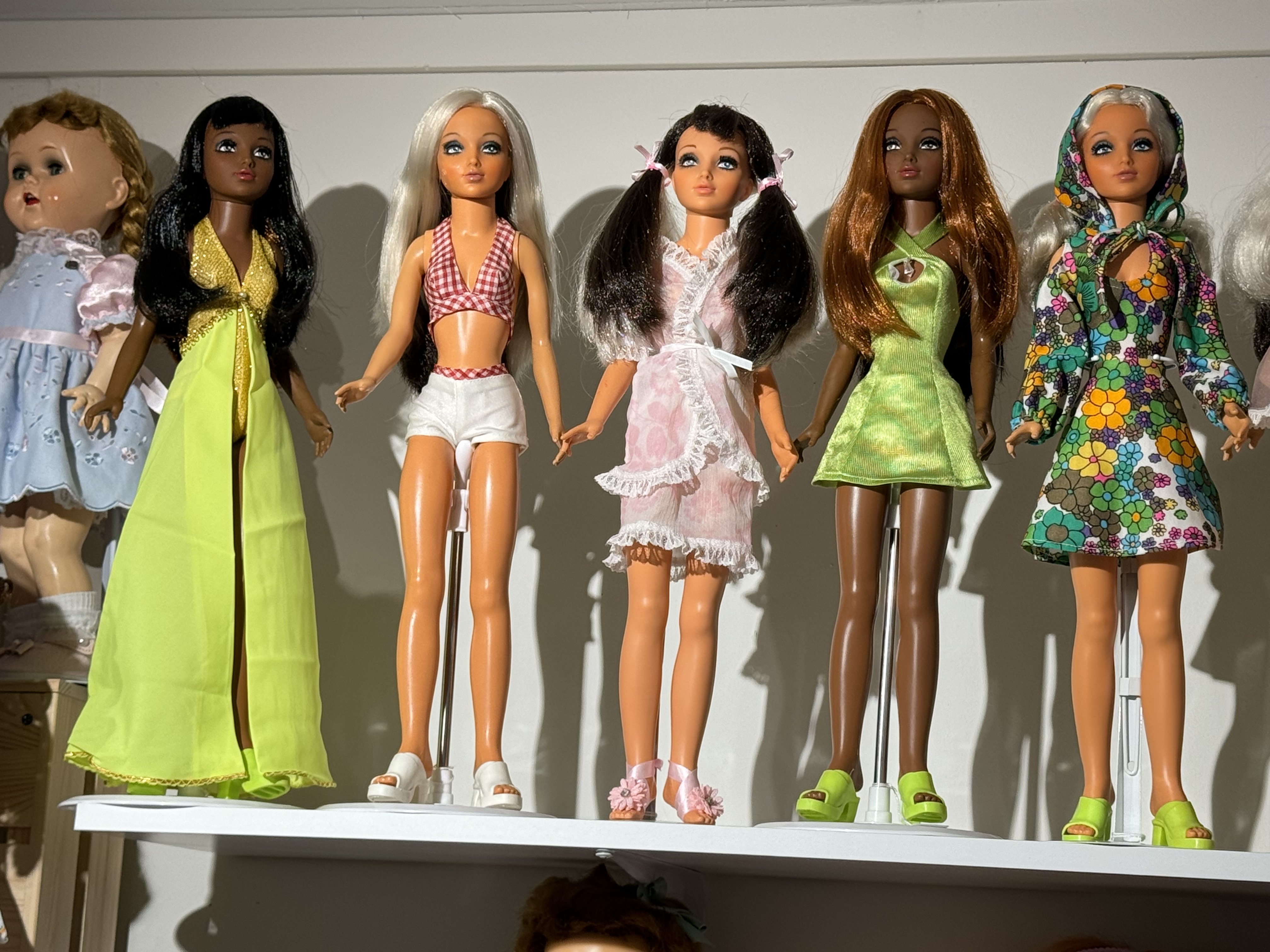
Strong, impact-resistant and highly durable,ABS became the ideal material for construction toys, vehicles and action figures.
It remains the plastic behind products such as LEGO bricks and many articulated toys, proving that durability can become part of a toy's enduring appeal.
Today's toy industry uses a wide range of plastics, each selected for particular properties.
Silicone has become especially important for highly realistic reborn dolls, while modern manufacturers are increasingly exploring recycled plastics and bio-based alternatives as sustainability becomes a greater priority.

When collectors learn to recognise different plastics, they gain valuable clues about a toy's age, manufacturer and authenticity.
The material can reveal why a doll has survived in excellent condition—or why it has become brittle, discoloured or sticky over time.
Understanding plastics also helps museums carefor their collections. Different materials require different storage conditions, handling techniques and conservation methods to ensure they can been joyed by future generations.
At My Doll Cottage Museum, every plastic tellspart of a larger story. Together they reveal how science, manufacturing and creativity combined to transform the toys that have filled children's hands,homes and imaginations for more than 150 years.
With love
Shyloh
Tales from the youngest daughter of adoll collector — raised on Milo, Vegemite, and more antiques than a country opshop.