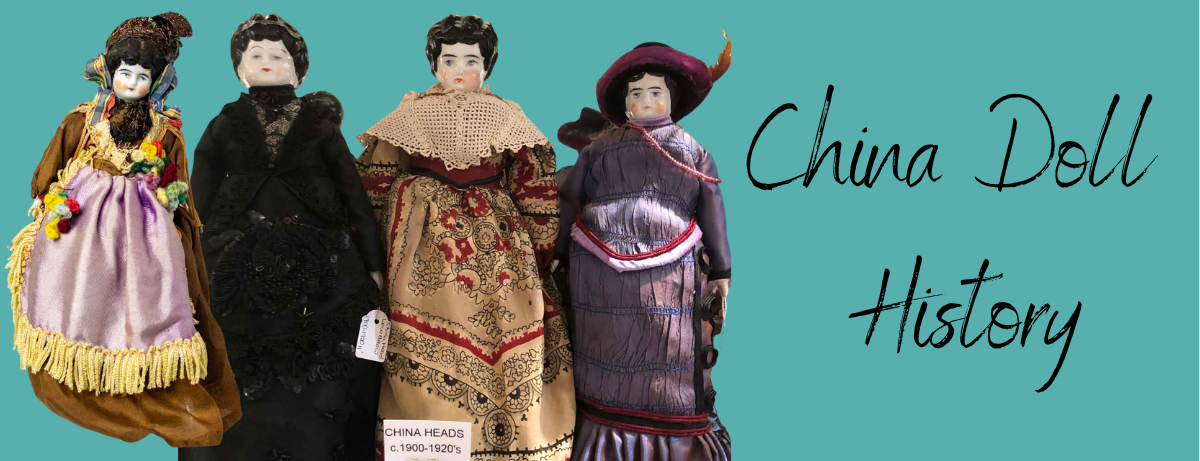
When many people hear the term china doll, they naturally assume the dolls were made in China. In fact, the name refers to the glazed porcelain material from which the dolls were made rather than their country of origin. Most china dolls were produced in Germany, particularly in the Thuringia region, during the nineteenth and early twentieth centuries.
Today, these elegant dolls are among the most recognisable figures in antique doll collecting, admired for their glossy porcelain heads, carefully styled hairstyles and beautifully painted features.
The story of china dolls begins centuries before the first doll was ever made.
The development of porcelain in China took place gradually over many centuries. By the Tang Dynasty (618–907 CE), Chinese potters were producing sophisticated high-fired white wares that helped establish the porcelain tradition for which China would become famous. European royalty eagerly collected Chinese porcelain, and manufacturers spent generations trying to discover its formula.
That changed in the early eighteenth century when European potters successfully developed their own hard-paste porcelain. In 1710, the establishment of the Meissen Porcelain Factory in Germany marked the beginning of European porcelain production and laid the foundation for a thriving ceramics industry.
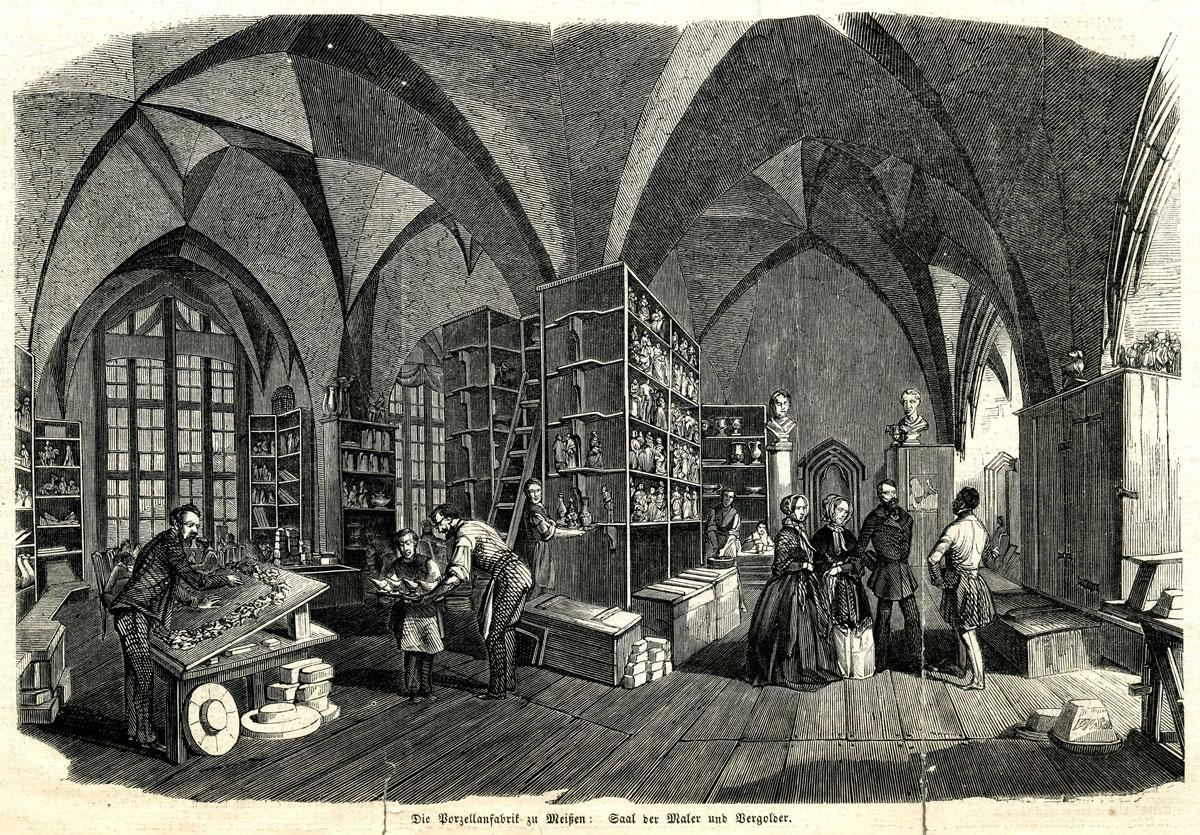
Before porcelain became a material for children's toys, it was used to create decorative figures.
By the early nineteenth century, manufacturers began experimenting with glazed porcelain doll heads. These early examples were often display pieces rather than playthings, reflecting the fashions and hairstyles of the day.
As manufacturing techniques improved, porcelain became more affordable and production increased.
Mass production of china dolls began during the 1840s, particularly in Thuringia, Germany.
The region was already well established as a centre for toy manufacturing, with skilled workers producing wooden toys, papier-mâché dolls and other playthings. Porcelain doll heads became another successful industry, with specialist factories supplying heads that were assembled onto cloth, kid leather or wooden bodies by other manufacturers.
Unlike many modern dolls, production was often divided between several businesses, with one factory making heads, another producing bodies and yet another dressing the finished doll.

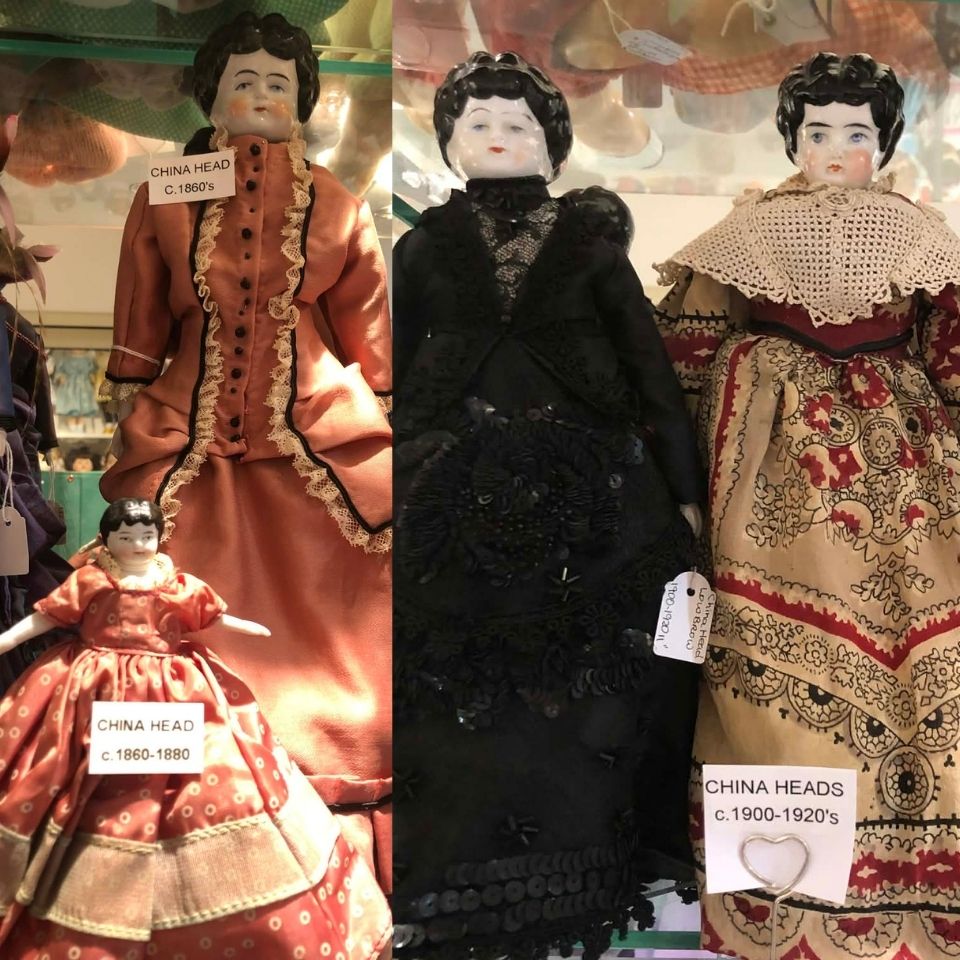
The earliest china dolls generally represented fashionable young women.
Their hairstyles mirrored contemporary styles worn by adults, making them remarkably useful to collectors today. Hair arrangements such as the covered wagon,centre-part and Alice band styles can often help date a doll to a particular decade.
As attitudes towards childhood changed during the Victorian era, so too did the dolls.
By the mid to late nineteenth century, manufacturers increasingly produced child-likedol ls rather than miniature adults. This reflected broader social changes that recognised childhood as a unique stage of life, with toys becoming increasingly designed specifically for children rather than simply being miniature versions of adult objects.
Germany dominated china doll production throughout the nineteenth century.
Some of thebest-known manufacturers included:
Although Germany produced the majority of china dolls, smaller quantities were also manufactured in countries including France, Denmark and Sweden.
Many dolls remain unmarked today because factories often supplied wholesalers and retailers who sold the finished dolls under different names.
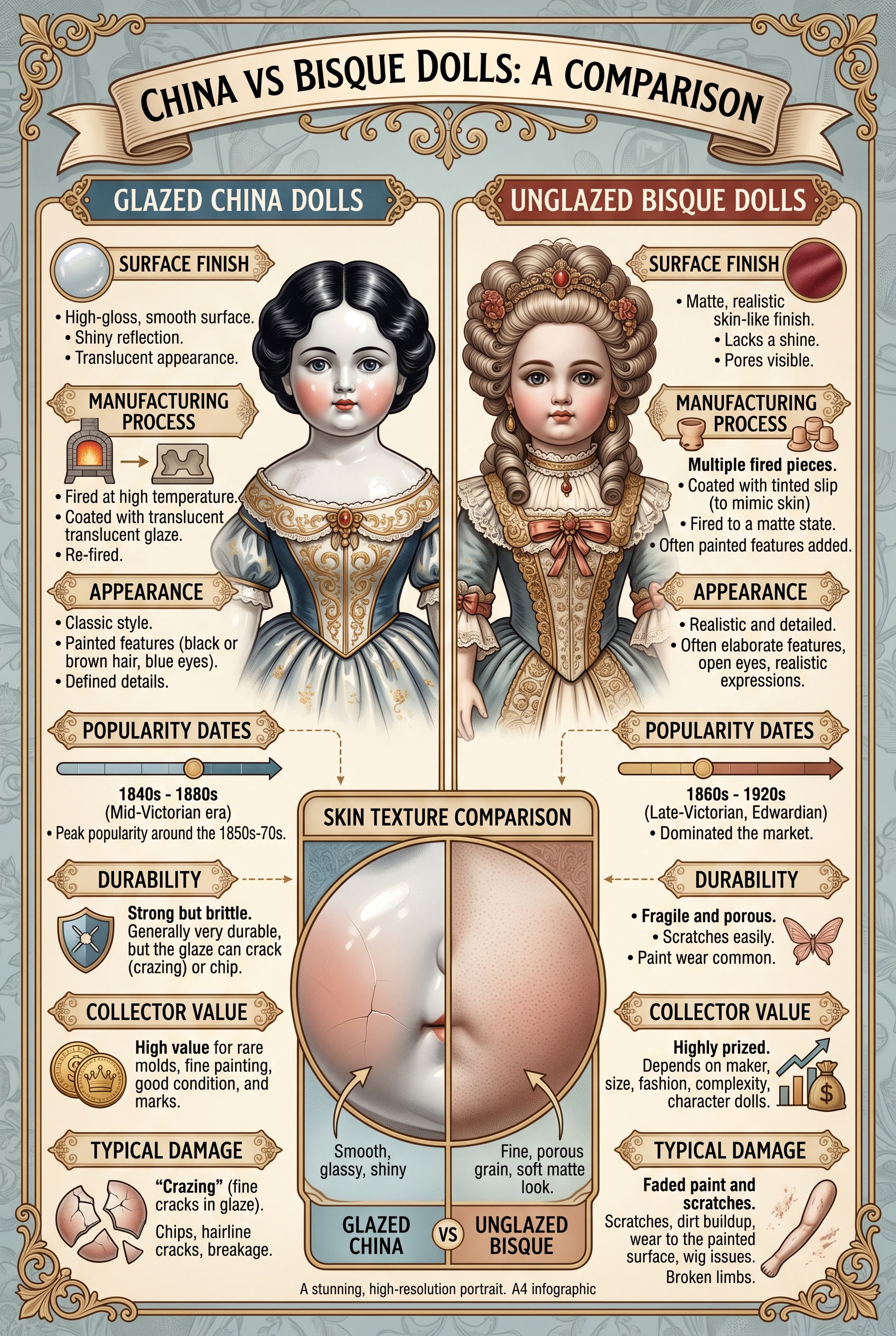
By the late nineteenth century, a new material began changing the doll industry.
Bisque, anunglazed porcelain with a soft, skin-like appearance, allowed manufacturers to create dolls with far more realistic complexions and expressions. As publictastes shifted towards realism, bisque dolls gradually replaced glazed china dolls in popularity.
Production of china dolls continued into the early twentieth century, but by the 1930s they had largely disappeared from mainstream toy shops.
For further information on the difference between Porcelain and Bisque click here
China dolls represent an important turning point in the history of childhood.
They bridge the gap between individually crafted decorative figures and the mass-produced dolls that would become familiar throughout the twentieth century. Thei rhairstyles record changing fashions, their materials reflect advances in manufacturing, and their widespread production made quality dolls available to families who could never previously have afforded luxury porcelain figures.
For collectors today, china dolls offer much more than beauty. They provide valuable insights into nineteenth-century craftsmanship, fashion, manufacturing and the changing role of toys in children's lives.
At My Doll Cottage Museum, each china doll tells part of this remarkable story, reminding us that every generation has created dolls that reflect both the technology of their time and the childhoods they helped shape.
With love
Shyloh
Tales from the youngest daughter of a doll collector — raised on Milo, Vegemite, and more antiques than a country op shop.